

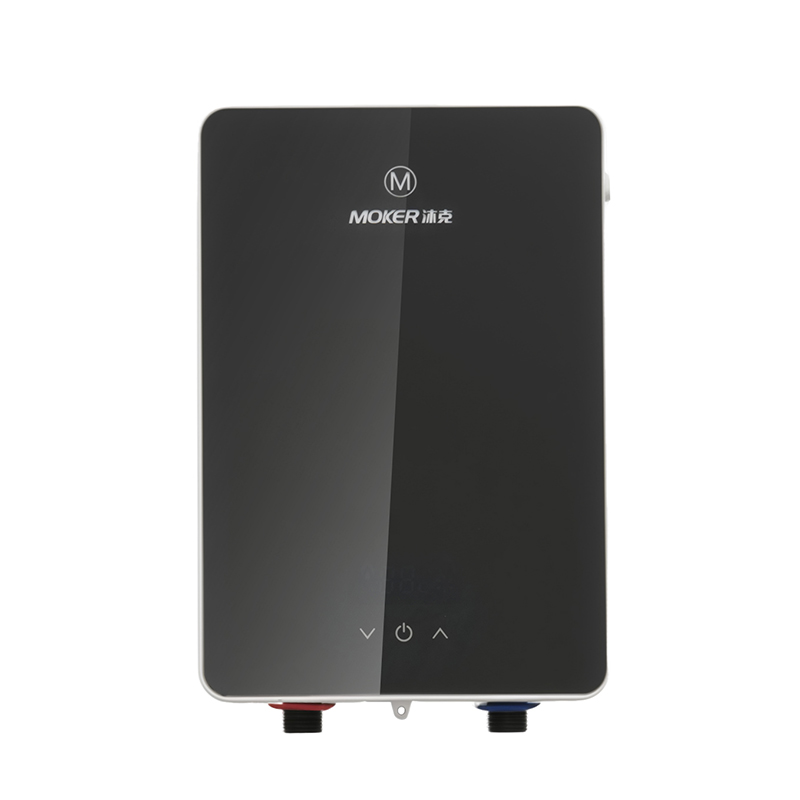
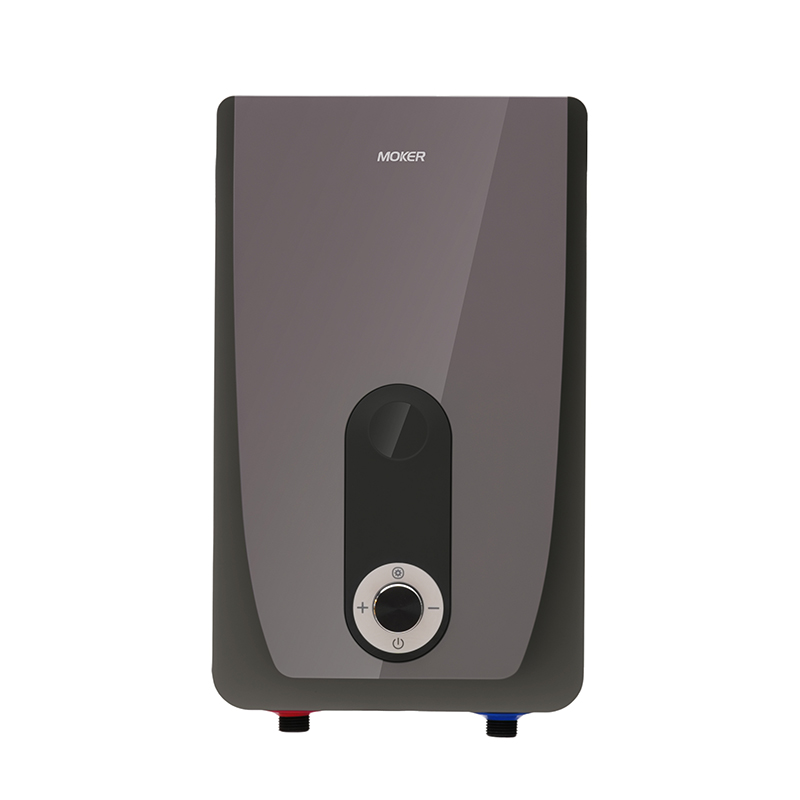
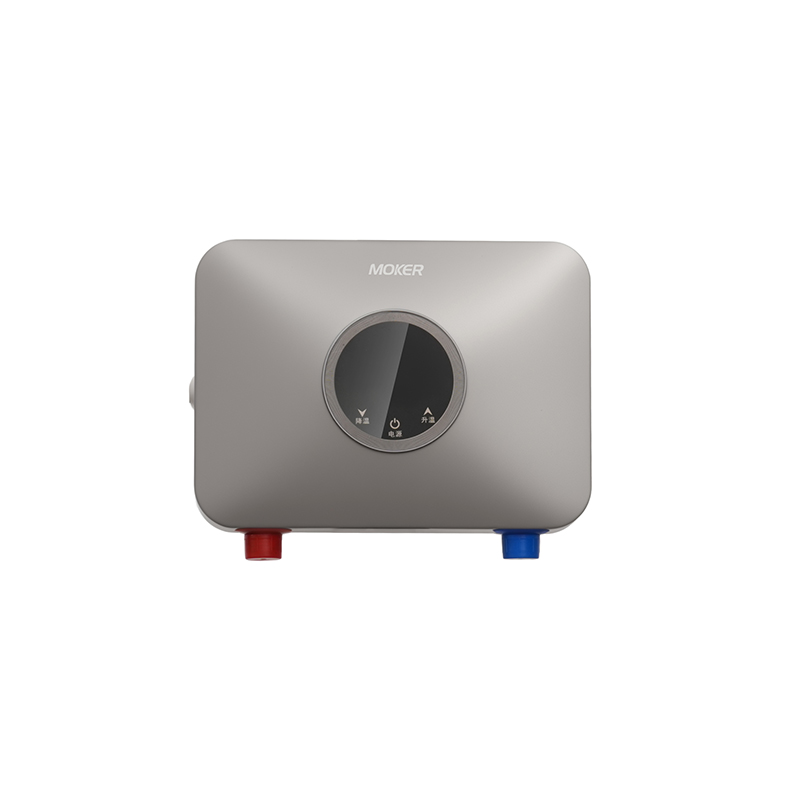
Adaptability of Water Heaters to Different Building Types Different building types—from compact urban apartments and high-rise residences to detached villas, commercial spaces, and temporary structures—impose distinct constraints on water heater selection, including space availability, plumbing infrastructure, energy supply, and hot water demand patterns. Adaptability to building types refers to a water heater’s ability to align with these constraints while delivering consistent Instantaneous Hot Water. Electric water heater, Tankless Water Heater, electric Tankless Water Heater, Instant water heater, Instantaneous Hot Water Electric, and Instantaneous Hot Water integrated systems each demonstrate unique suitability for specific building types, shaped by size, installation requirements, capacity, and operational flexibility. Electric water heater: Ideal for detached villas and old residential buildings Electric water heater excels in adaptability to detached villas, townhouses, and old residential buildings due to its straightforward installation, compatibility with outdated plumbing, and stable hot water storage. Detached villas typically have dedicated utility rooms or basements to accommodate Electric water heater’s bulky tank (50–80 gallons), and the unit’s simple cold/hot water connections integrate seamlessly with traditional copper or galvanized steel pipes common in old buildings. Electric water heater’s stored hot water acts as a buffer for inconsistent water pressure in aging plumbing systems, ensuring steady temperature during use. For large villas with multiple bathrooms, a 80-gallon Electric water heater can supply 3–4 simultaneous water points, meeting family-wide demand. However, Electric water heater’s large footprint and weight (80–100 kg when full) make it unsuitable for compact apartments or high-rises with limited storage space, and Electric water heater’s high standby energy loss is less compatible with energy-efficient modern buildings. Tankless Water Heater: Perfect for compact apartments and high-rises Tankless Water Heater, especially electric Tankless Water Heater, is tailored for compact urban apartments, high-rise residences, and small commercial spaces (e.g., boutique hotels) due to its space-saving design and on-demand efficiency. electric Tankless Water Heater’s slim wall-mounted profile (60×30×15 cm) fits into tiny utility closets, under stairwells, or even inside kitchen cabinets, making electric Tankless Water Heater a top choice for studio apartments and high-rises with no dedicated utility areas. High-rise residences benefit from Tankless Water Heater’s low weight (10–15 kg), eliminating the need for reinforced flooring in upper floors. For small commercial spaces like hair salons or convenience stores, gas Tankless Water Heater’s high capacity (190,000–240,000 BTU) supports continuous multi-point use. However, Tankless Water Heater requires stable energy supply—electric Tankless Water Heater needs 240V circuits (common in modern buildings but may require upgrades in old apartments), while gas Tankless Water Heater relies on proper venting, limiting installation in sealed high-rise units. Instant water heater: Suitable for apartment kitchens and commercial local hot water needs Instant water heater’s ultra-compact size and localized heating make Instant water heater highly adaptable to small apartments, office buildings, convenience stores, and other spaces requiring point-of-use hot water. In compact apartments, Instant water heater fits under kitchen sinks or bathroom vanities, providing hot water for handwashing, dishwashing, or face washing without occupying valuable floor space. Office buildings and co-working spaces use Instant water heater in breakrooms or restrooms, as Instant water heater’s low power (2–3 kW) avoids overloading building electrical systems and its tool-free installation simplifies retrofitting. Convenience stores and small retail shops benefit from Instant water heater’s quick startup and minimal maintenance, ensuring hot water for beverage preparation or equipment cleaning. Unlike Electric water heater, Instant water heater requires no dedicated storage space, and unlike Tankless Water Heater, Instant water heater needs no complex plumbing modifications—making Instant water heater ideal for buildings with shared utility infrastructure or limited renovation flexibility. Instantaneous Hot Water Electric: Adaptable to temporary structures and mobile spaces Instantaneous Hot Water Electric is uniquely suited for temporary structures, construction site dormitories, camping grounds, and mobile homes, where fixed water heating systems are impractical. Construction site dormitories and temporary offices rely on Instantaneous Hot Water Electric for portable, no-installation hot water, as Instantaneous Hot Water Electric connects directly to faucets or buckets and operates on battery or portable generator power. Camping grounds and RV parks use cordless Instantaneous Hot Water Electric models to provide guests with on-demand hot showers without permanent plumbing. Mobile homes and tiny houses benefit from Instantaneous Hot Water Electric’s small size (10×15×25 cm) and low weight (1–3 kg), which fit into limited storage when not in use. Unlike Electric water heater or Tankless Water Heater, Instantaneous Hot Water Electric requires no fixed installation, venting, or dedicated power circuits—making Instantaneous Hot Water Electric the only viable option for buildings with temporary or mobile layouts. Instantaneous Hot Water integrated systems: Tailored for large villas and commercial complexes Integrated Instantaneous Hot Water systems combine electric Tankless Water Heater, Instant water heater, and Instantaneous Hot Water Electric to meet the diverse needs of large villas, luxury apartments, and commercial complexes (e.g., shopping malls, office towers). Large villas with multiple floors, bathrooms, and outdoor kitchens use the system’s modular design: electric Tankless Water Heater supplies whole-house high-demand use, Instant water heater units serve under-sink areas, and Instantaneous Hot Water Electric caters to outdoor showers or poolside facilities. Commercial complexes with scattered hot water points (e.g., mall restrooms, office breakrooms) deploy Instant water heater units in each zone, while electric Tankless Water Heater handles high-traffic areas like food courts. The system’s central controller synchronizes all units, adapting to peak demand periods (e.g., morning rush in office towers) and off-peak lulls. Unlike standalone Electric water heater, which struggles with multi-zone supply, or single Tankless Water Heater, which may lack flexibility, the integrated system’s scalability makes it adaptable to buildings of any size—from 10,000-square-foot villas to 100,000-square-foot commercial centers. Adaptability to building types is a decisive factor in water heater functionality: Electric water heater fits detached villas and old buildings with space and plumbing compatibility; electric Tankless Water Heater suits compact apartments and high-rises with space constraints; Instant water heater serves localized needs in offices and small retail spaces; Instantaneous Hot Water Electric adapts to temporary and mobile structures; Instantaneous Hot Water integrated systems cater to large villas and commercial complexes with diverse demands. By matching a water heater to a building’s unique characteristics—space, infrastructure, demand—users ensure efficient, reliable Instantaneous Hot Water delivery that enhances comfort and functionality without compromising on performance.