

Adaptation and Performance Adjustment of Different Water Heaters in Various Climates
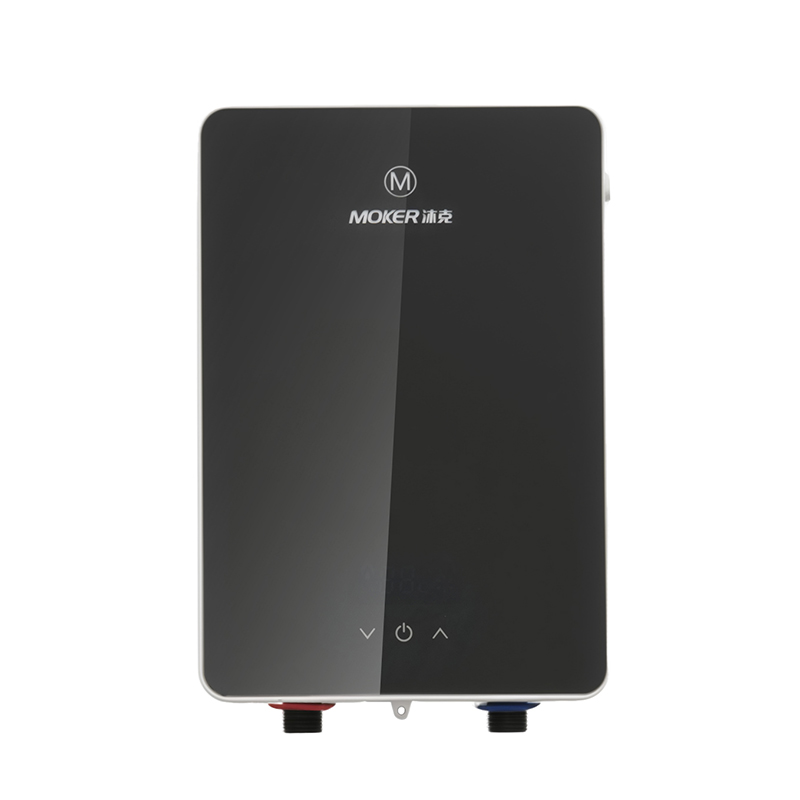
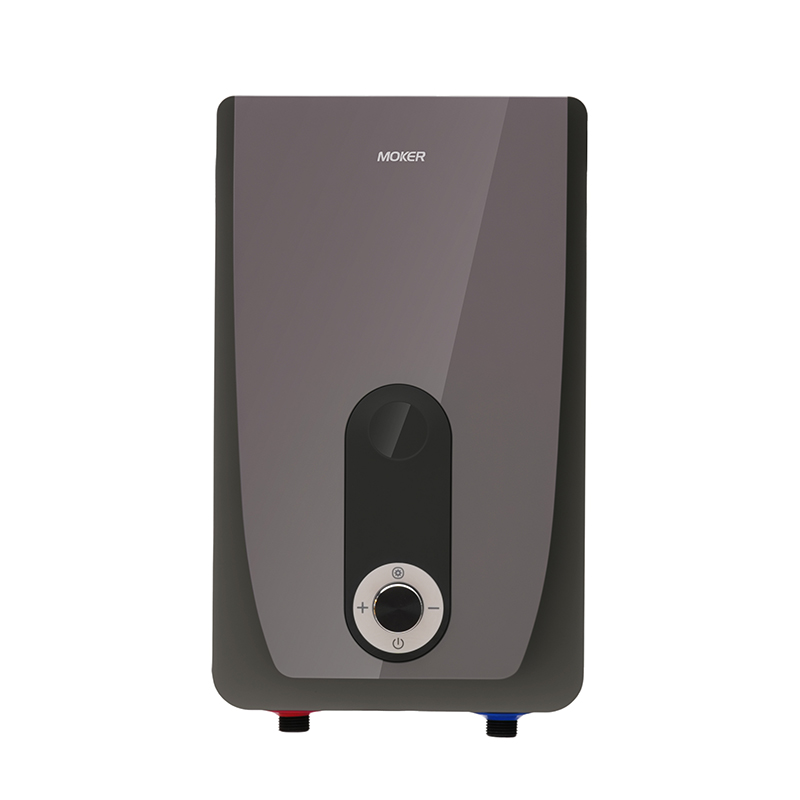
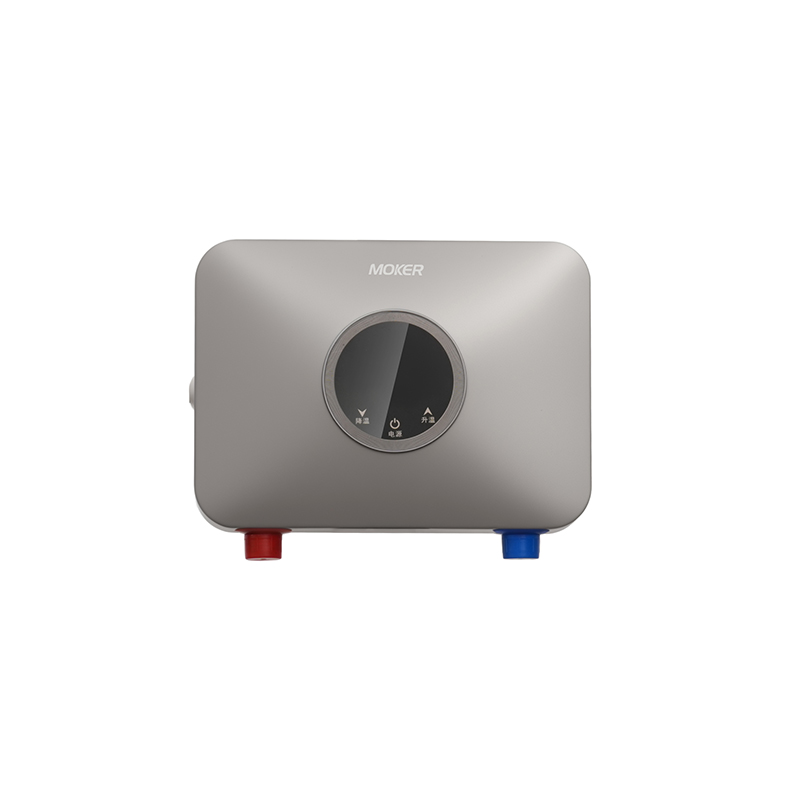
Adaptation and performance adjustment in various climates refer to how water heater maintains stable operation under different weather conditions—such as tropical high temperatures, temperate humidity, and frigid cold—and the tweaks needed to avoid performance drops or damage. Poor climate adaptation leads to shortened service life or frequent malfunctions. Electric water heater, Tankless Water Heater, Instant water heater, electric tankless water heater, and instantaneous water heater electric each have distinct adaptation traits, shaped by their heat retention, insulation, and component tolerance.
In tropical climates (average temperature 25–35°C), Electric water heater has moderate adaptation. Electric water heater’s tank insulation (usually foam or fiberglass) may trap excess heat—causing the thermostat to trigger frequently, wasting energy. To adjust, set Electric water heater’s temperature to 50–55°C (lower than temperate settings of 60°C) to reduce cycling. The tank’s outer surface may develop condensation (due to high humidity); wrapping a thin aluminum foil layer around the tank prevents rust from moisture. However, Electric water heater’s sealed tank avoids direct sun damage—unlike exposed models—and performs reliably if maintained monthly (checking for insulation cracks).
In frigid climates (average temperature -10–5°C), Tankless Water Heater requires targeted adjustment. Gas Tankless Water Heater’s vent pipe may freeze (blocking exhaust); installing a heat trace cable (wrapped around the vent) prevents ice buildup. electric Tankless Water Heater’s water inlet pipe needs insulation (using foam sleeves) to avoid freezing and pipe bursts. Both variants benefit from a “low-flow mode” adjustment—reducing water flow rate to 1.5–2 GPM ensures the heat exchanger can raise water temperature sufficiently (frigid inlet water, 0–5°C, needs more heating time). Tankless Water Heater’s no-tank design avoids the risk of frozen stored water (a problem for Electric water heater), making it more adaptable than tank models in cold regions.
In temperate humid climates (average temperature 10–22°C, 60–80% humidity), Instant water heater has strong adaptation but needs small tweaks. Instant water heater’s under-sink installation (in kitchens/bathrooms) exposes it to humidity—corroding electrical connections. To adjust, use a moisture-proof cover (ventilated to avoid overheating) and check the plug’s GFCI monthly (resets if moisture causes leakage). The mini tank’s temperature can stay at 55°C (balanced for daily use, no energy waste from overheating). Instant water heater’s compact size fits small spaces (common in temperate-region apartments) and its quick heating (30 seconds to hot water) suits the region’s variable daily temperatures.
In high-altitude climates (over 2000 meters), electric tankless water heater has better adaptation than gas models. High altitude reduces air pressure—gas Tankless Water Heater’s combustion efficiency drops by 15–20%, but electric tankless water heater’s electric heating is unaffected. To adjust, increase electric tankless water heater’s power setting by 10–15% (e.g., from 8kW to 9kW) to compensate for heat loss in thin air. The unit’s heat exchanger needs annual descaling (high altitude water often has more minerals) to maintain flow. electric tankless water heater’s lightweight design (easier to install in high-altitude homes with weak walls) adds to its adaptability.
In coastal climates (high salt in air), instantaneous water heater electric needs corrosion protection. instantaneous water heater electric’s metal components (micro-coil, pipes) corrode quickly from salt—coating exposed parts with anti-rust spray (every 3 months) extends life. The power cord’s plug should be checked monthly for salt buildup (clean with a dry cloth) to avoid poor connections. To adjust performance, set the temperature to 50°C (saltwater contact with hot surfaces accelerates corrosion; lower temps reduce this). instantaneous water heater electric’s small size allows indoor storage (away from salt-laden winds), which is critical for long-term use in coastal areas.
Climate adaptation depends on water heater’s design strengths: Tankless Water Heater excels in frigid regions; electric tankless water heater works in high altitudes; Instant water heater fits temperate humidity; Electric water heater adapts to tropics with tweaks; instantaneous water heater electric needs corrosion care in coastal areas. Proper performance adjustments not only maintain efficiency but also prevent climate-related damage, ensuring water heater operates reliably year-round.