

Differentiated Adaptation Design of Different Water Heaters for Commercial and Residential Scenarios
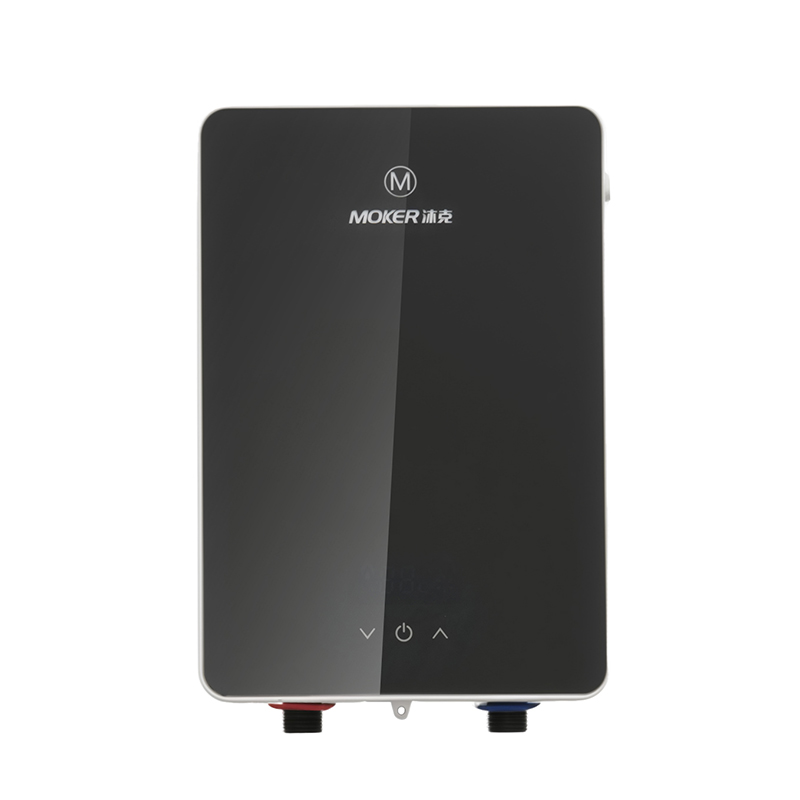
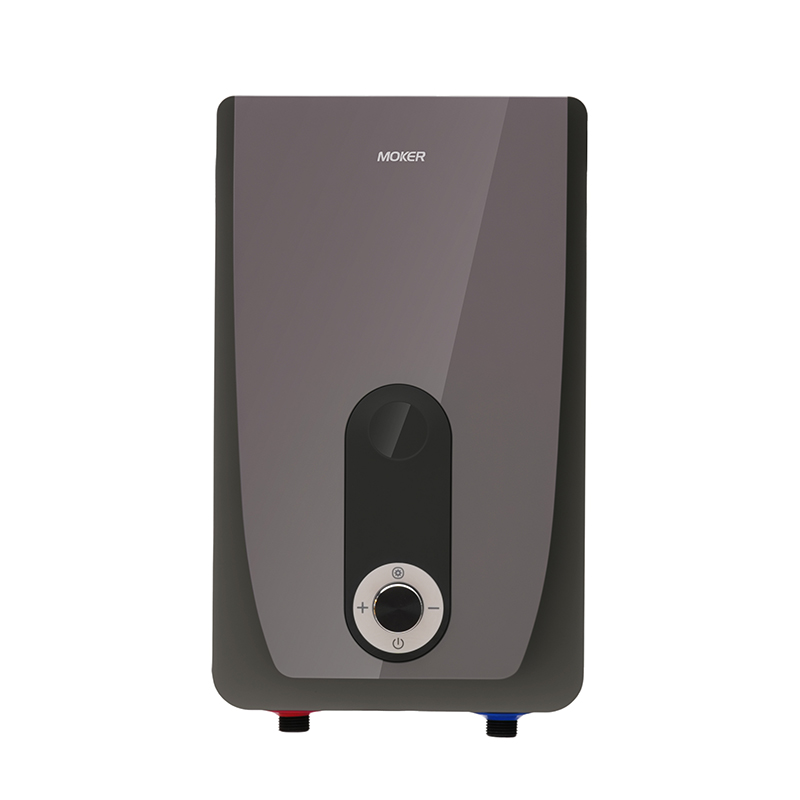
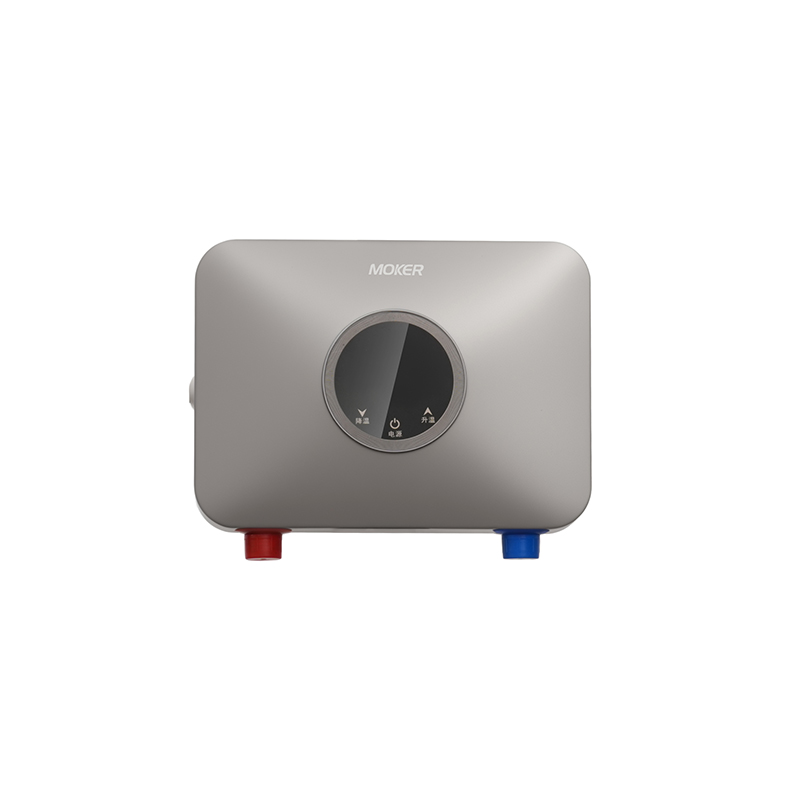
Differentiated adaptation design refers to how water heater adjusts heating capacity, durability, control precision, and installation scalability to meet the distinct demands of commercial (e.g., hotels, restaurants, gyms) and residential (e.g., apartments, single-family homes) scenarios. Commercial settings require high-volume, continuous hot water supply and 24/7 reliability, while residential use prioritizes energy efficiency, space-saving, and user-friendly operation. Mismatched adaptation leads to insufficient supply, excessive energy waste, or frequent breakdowns. Electric water heater, Tankless Water Heater, Instant water heater, Instantaneous Hot Water equipment, and Instantaneous Water Heater electric each have distinct scenario-specific traits, shaped by load-bearing capacity, heating output, and structural robustness.
Electric water heater: Capacity and durability adaptation for dual scenarios
Residential Electric water heater focuses on moderate capacity (40–80 gallons) and energy efficiency, with insulation layers optimized to reduce standby loss (1–2°F per hour) for daily household use (2–4 people). The heating element power (4–6 kW) balances heating speed and electricity consumption, while smart thermostats (120–140°F adjustable) cater to family needs (showering, laundry). Commercial Electric water heater, by contrast, features enlarged tanks (100–150 gallons) and dual/triple heating elements (total power 9–12 kW) to supply 50–80 gallons of hot water per hour—meeting hotel shower peaks or restaurant dishwashing demands. Commercial variants add reinforced tank walls (10–12mm steel) and corrosion-resistant enamel coatings to withstand 24/7 operation, extending service life to 12–15 years (vs. 8–10 years for residential models). For large commercial spaces (e.g., gyms), multiple Electric water heater units are installed in parallel, with a central controller balancing load distribution to avoid circuit overloads.
Tankless Water Heater: Flow rate and continuous operation adaptation
Residential Tankless Water Heater (gas or electric) prioritizes compact size and low flow rate (2–5 GPM) to fit home bathrooms/kitchens, with temperature precision (±1°F) for comfortable showers. electric Tankless Water Heater (6–10 kW) and gas Tankless Water Heater (80–120 kBtu) deliver on-demand hot water for 1–2 simultaneous uses, avoiding the energy waste of oversized units. Commercial Tankless Water Heater boosts flow rate to 8–15 GPM (gas models) or 10–12 kW power (electric variants) to support 4–6 concurrent taps—ideal for hotel hallways or restaurant kitchens. Commercial gas Tankless Water Heater adopts heavy-duty heat exchangers (stainless steel with 3mm thickness) and high-pressure ignition systems to operate continuously for 8–10 hours, while electric commercial models integrate load-balancing technology to prevent grid overload when multiple units run. A key adaptation is “commercial mode” (via controller), which locks temperature at 140°F (sanitization standard) for food service or healthcare facilities.
Instant water heater: Localized output adaptation for scenario-specific needs
Residential Instant water heater targets under-sink or small bathroom use, with 1–3L mini tanks and 2–3 kW heating elements—delivering 1–1.5 GPM hot water for handwashing or quick rinses. The compact design (8–12 inches tall) fits cabinet spaces, while simple dials (95–130°F) ensure easy operation for families. Commercial Instant water heater is engineered for high-frequency localized use (e.g., office breakrooms, mall restrooms), with enlarged mini tanks (4–5L) and 3–4 kW heating elements to supply 2 GPM flow rate—reducing user waiting time during peak hours. Commercial variants add vandal-resistant housings (steel alloy) and automatic self-cleaning cycles (daily descaling) to withstand heavy use and minimize maintenance. Unlike residential models, commercial Instant water heater supports daisy-chain installation (up to 4 units) to cover multiple sinks in a single area, with shared water inlet/outlet pipes saving installation space.
Instantaneous Water Heater electric: Portability and temporary use adaptation
Residential Instantaneous Water Heater electric serves as a backup or auxiliary device, with 1–2 kW power and 0.5–1 GPM flow rate for outdoor showers (camping) or rental apartment touch-ups. The palm-sized design (6–10 inches long) and plug-and-play operation (standard 110V socket) cater to flexible residential needs. Commercial Instantaneous Water Heater electric is optimized for temporary or mobile scenarios (e.g., construction site restrooms, event venues), with reinforced plastic housings (IPX5 waterproof) and 2–3 kW power to deliver 1 GPM hot water for 8–10 hours continuously. Commercial variants include detachable water filters (50-micron) and overheat protection (150°F cut-off) to handle unfiltered job-site water and prevent hazards. For large events (e.g., outdoor concerts), multiple Instantaneous Water Heater electric units are connected to a portable water tank and generator, forming a temporary hot water station that requires no permanent installation.
Instantaneous Hot Water integrated systems: Scalability adaptation for mixed scenarios
Mixed-use buildings (residential + commercial, e.g., ground-floor shops + upper-floor apartments) adopt Integrated Instantaneous Hot Water systems, combining commercial-grade Tankless Water Heater (for shops) and residential Instant water heater (for apartments). The central system uses a variable-speed circulation pump to distribute hot water, with commercial Tankless Water Heater (12–15 GPM) handling high-demand shop use (e.g., café dishwashing) and Instant water heater units (1–2 GPM each) serving individual apartments. The controller differentiates scenario needs: prioritizing stable flow for commercial use and energy efficiency for residential use (lowering temperature to 120°F at night). For pure commercial spaces (e.g., small hotels), the system pairs multiple electric Tankless Water Heater units (8–10 kW each) with Instantaneous Hot Water backup modules, ensuring no supply interruption during peak hours or equipment maintenance. This scalable design avoids overinvesting in a single large unit, reducing initial costs and energy waste.
Scenario adaptation is critical for water heater functionality: residential Electric water heater balances capacity and efficiency; commercial variants prioritize durability and high output; Tankless Water Heater adjusts flow rate for concurrent use; Instant water heater targets localized demand; Instantaneous Water Heater electric fits portable/temporary needs; Integrated Instantaneous Hot Water systems scale for mixed scenarios. Selecting water heater tailored to commercial or residential demands ensures optimal performance, cost savings, and user satisfaction—turning hot water supply into a scenario-aligned service rather than a one-size-fits-all solution.