

Environmental Impact and Carbon Footprint of Modern Water Heaters
The environmental impact of water heater spans its entire lifecycle: raw material extraction, manufacturing, operational energy use, and end-of-life disposal. Carbon footprint, a key metric of this impact, quantifies greenhouse gas (GHG) emissions from each stage, with operational emissions typically accounting for 70–85% of total footprint. Electric water heater, Tankless Water Heater, electric Tankless Water Heater, Instant water heater, instantaneous Water Heater electric, and Instantaneous Hot Water systems exhibit distinct environmental profiles, shaped by energy efficiency, material usage, and recyclability.
Electric water heater: High lifecycle emissions due to standby loss and material intensity
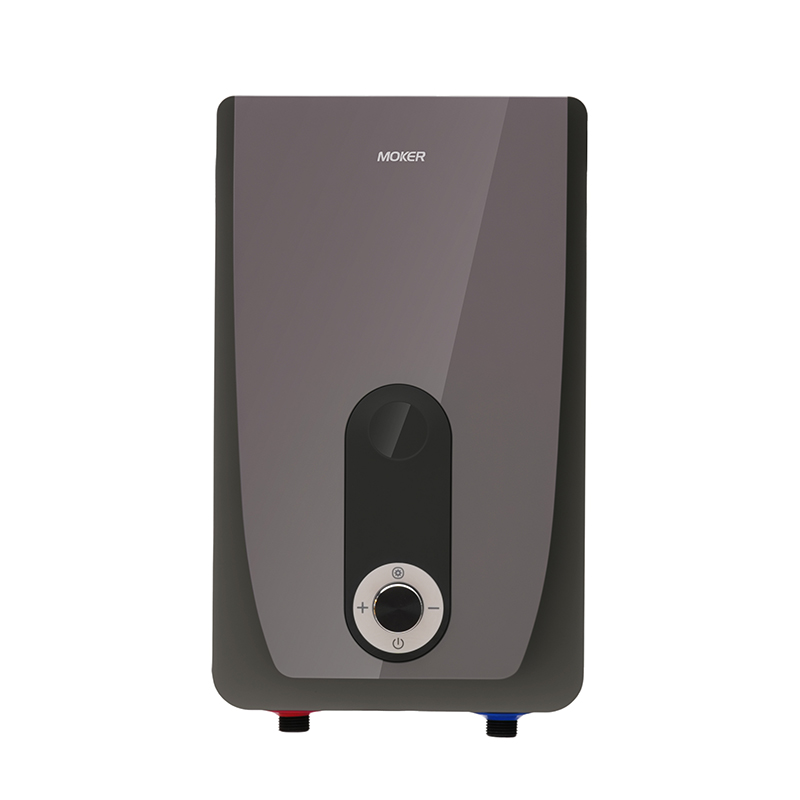
Electric water heater’s large steel tank (50–80 gallons) requires significant raw material extraction, generating 150–250 kg of CO₂ during manufacturing. The enamel coating and sacrificial anode rods add further material-related emissions, while the unit’s heavy weight increases transportation emissions by 20–30% compared to compact models. Operational emissions dominate Electric water heater’s carbon footprint: standby heat loss (10–15% of total energy use) leads to 1,200–1,800 kg of CO₂ annually for a 50-gallon unit, depending on grid electricity carbon intensity. In regions relying on coal-fired power, this figure can exceed 2,000 kg/year. End-of-life disposal poses challenges: steel tanks are recyclable, but enamel coatings and anode rods often end up in landfills, releasing toxic metals if not properly processed. While Electric water heater’s manufacturing emissions are comparable to other models, its high operational emissions make it one of the most carbon-intensive options for continuous Instantaneous Hot Water delivery.
Tankless Water Heater: Lower operational emissions via on-demand heating
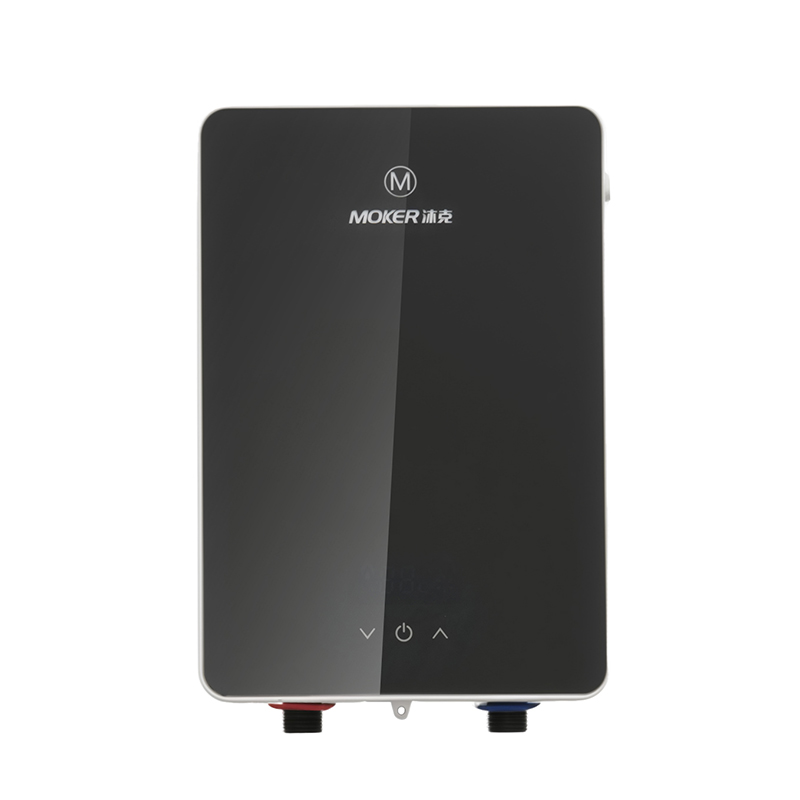
Tankless Water Heater, especially electric Tankless Water Heater, reduces lifecycle emissions by eliminating standby heat loss. Manufacturing emissions are 30–40% lower than Electric water heater, as the compact design uses 50–70% less steel and no large storage tank. Electric Tankless Water Heater’s on-demand heating cuts operational emissions to 800–1,200 kg CO₂/year, as the unit only consumes energy when Instantaneous Hot Water is needed. Gas-powered Tankless Water Heater models have slightly higher manufacturing emissions due to combustion components, but their operational emissions depend on natural gas carbon intensity (typically 0.18 kg CO₂/kWh vs. 0.4 kg CO₂/kWh for coal-based electricity). End-of-life recyclability is enhanced by modular components: electric Tankless Water Heater’s stainless steel heat exchanger and electronic parts are easily separated for recycling, reducing landfill waste by 60–70% compared to Electric water heater. For eco-conscious users, electric Tankless Water Heater’s low operational emissions make it a superior alternative to Electric water heater for whole-house Instantaneous Hot Water needs.
Instant water heater: Localized efficiency reduces lifecycle emissions
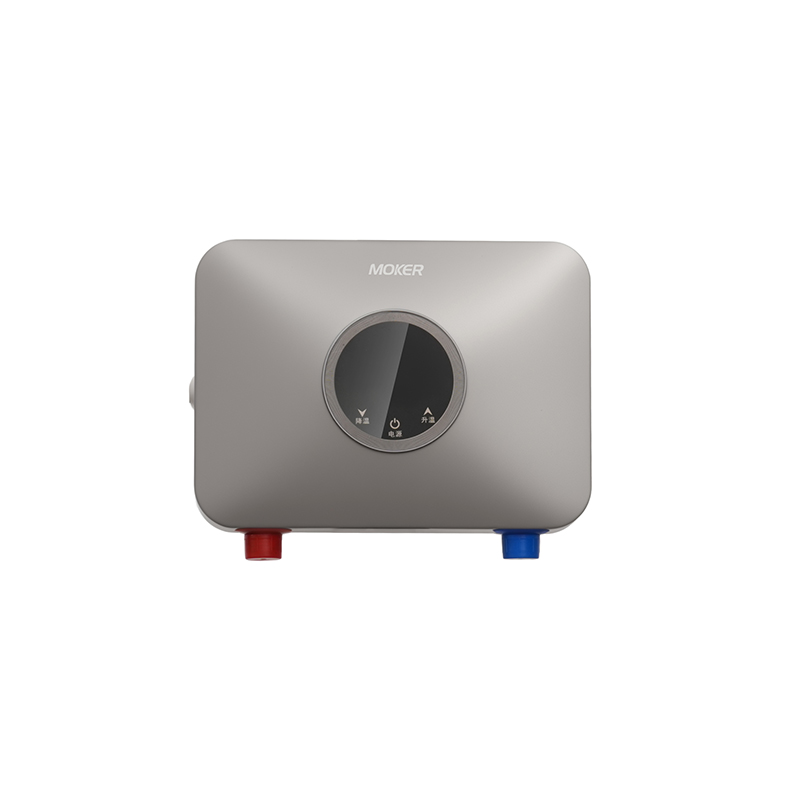
Instant water heater’s compact 1–3L mini tank minimizes manufacturing emissions (50–100 kg CO₂) by using 80% less steel than Electric water heater. The plastic housing and nickel-chromium heating coil further reduce material intensity, while the unit’s small size cuts transportation emissions by 50%. Operational emissions are 400–600 kg CO₂/year, as Instant water heater only heats small volumes of water for localized use (e.g., under-sink handwashing). Unlike Electric water heater, Instant water heater has no standby loss, and its low power consumption (2–3 kW) aligns with renewable energy sources like rooftop solar panels. End-of-life disposal is straightforward: plastic housings are recyclable, and heating coils can be melted down for reuse. For small households or commercial spaces with low hot water demand, Instant water heater’s localized efficiency delivers a 30–40% lower carbon footprint than Electric water heater.
instantaneous Water Heater electric: Minimal emissions for portable, temporary use
instantaneous Water Heater electric’s portable design prioritizes low environmental impact, with manufacturing emissions of 20–50 kg CO₂—90% lower than Electric water heater. The unit’s lightweight ABS plastic housing and ceramic micro-coil use minimal raw materials, while cordless variants avoid wiring-related emissions. Operational emissions are 100–300 kg CO₂/year, as instantaneous Water Heater electric only operates during temporary use (e.g., camping, construction sites) and consumes 1–2 kW of power. When paired with portable solar panels, instantaneous Water Heater electric achieves near-zero operational emissions, making it the most carbon-neutral option for off-grid Instantaneous Hot Water delivery. End-of-life disposal is eco-friendly: plastic components are recyclable, and micro-coils contain no toxic materials, ensuring 95% of the unit is reusable or recyclable. For users seeking temporary, low-impact hot water, instantaneous Water Heater electric outperforms all other models in carbon footprint reduction.
Instantaneous Hot Water integrated systems: Hybrid efficiency for lowest lifecycle emissions
Integrated Instantaneous Hot Water systems, combining electric Tankless Water Heater and Instant water heater, deliver the lowest overall carbon footprint by optimizing energy use across the home. Manufacturing emissions are 15–20% lower than installing separate units, as shared components (e.g., water pipes, controllers) reduce material duplication. Operational emissions are 600–900 kg CO₂/year, as the central controller prioritizes renewable energy for electric Tankless Water Heater and localized use for Instant water heater, eliminating standby loss and overheating. The system’s modular design also enhances recyclability: individual units can be replaced or recycled without disrupting the entire system, reducing end-of-life emissions by 40–50% compared to Electric water heater. For large households or eco-luxury homes, Instantaneous Hot Water integrated systems balance performance and sustainability, proving that hybrid design can minimize environmental impact while ensuring reliable Instantaneous Hot Water access.In summary, environmental impact and carbon footprint vary dramatically by water heater type: Electric water heater has high operational emissions, electric Tankless Water Heater reduces standby loss, Instant water heater offers localized efficiency, instantaneous Water Heater electric delivers portable low-emission performance, and Instantaneous Hot Water systems achieve hybrid sustainability. By selecting models aligned with renewable energy sources and usage patterns, users can cut their water heating carbon footprint by 30–60%, contributing to global efforts to mitigate climate change.