

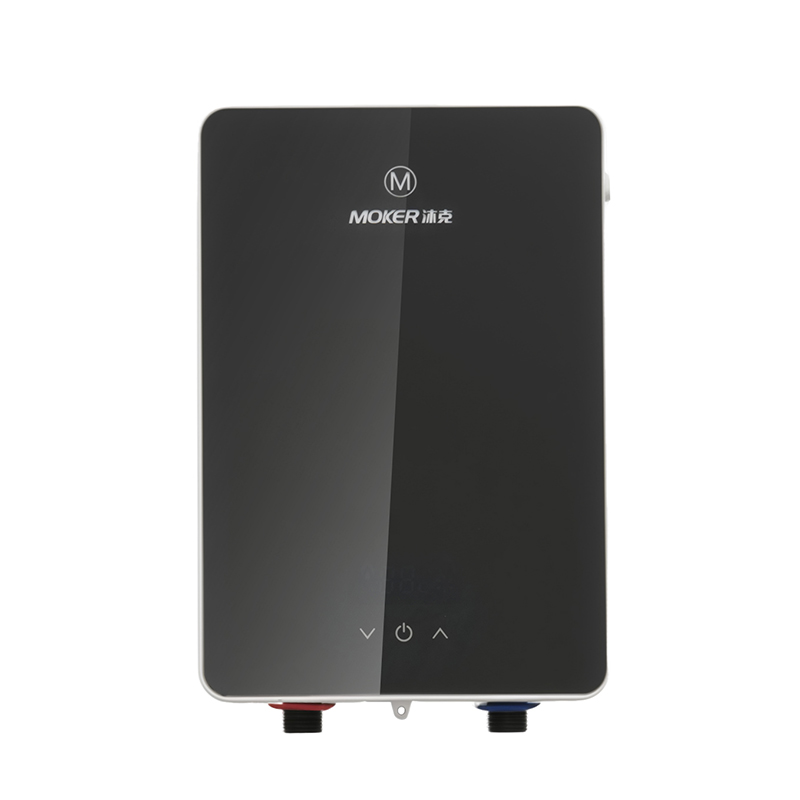
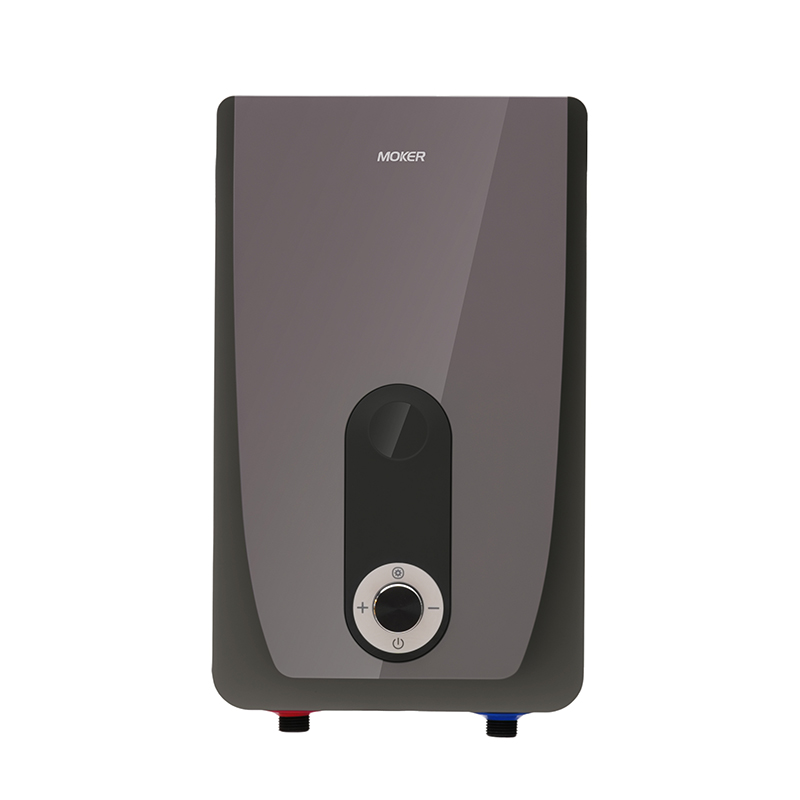
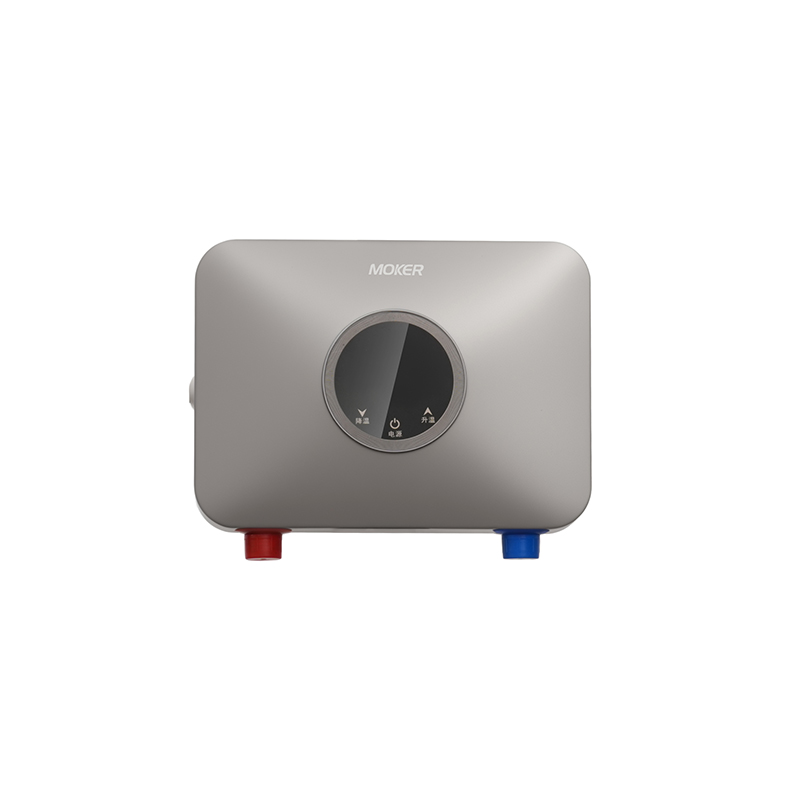
Load Capacity Adaptability of Water Heaters to Diverse Usage Scenarios
Load capacity adaptability refers to a water heater’s ability to adjust heating output, hot water supply volume, and operational stability according to varying usage demands—such as the number of simultaneous water points, duration of continuous use, and peak-hour consumption. This capability directly determines whether a water heater can meet the needs of different scenarios, from single-person apartments to large families, and from residential daily use to commercial intermittent demand. Electric water heater, Tankless Water Heater, electric Tankless Water Heater, Instant water heater, Instantaneous Hot Water Electric, and Instantaneous Hot Water integrated systems each demonstrate distinct load adaptation characteristics, shaped by their heating mechanisms, structural designs, and power configurations.Electric water heater: Stable medium-load supply based on tank storage
Electric water heater relies on its insulated storage tank to provide load capacity adaptability, with performance determined by tank volume (30–80 gallons) and heating element power (1500–5500 watts). A 50-gallon Electric water heater can typically supply 2–3 simultaneous low-flow water points (e.g., a shower + a kitchen faucet) for 15–20 minutes, making Electric water heater suitable for small to medium-sized families with moderate, continuous demand. The tank’s stored hot water acts as a buffer, allowing Electric water heater to handle short-term peak loads (e.g., morning shower rush) without temperature drops. However, Electric water heater’s load adaptability is limited by tank capacity: exceeding the stored hot water volume triggers a recovery period (45–60 minutes to reheat a 50-gallon tank), during which hot water supply is interrupted. High-end Electric water heater models address this with dual heating elements, enabling faster recovery and supporting 3–4 simultaneous water points for short durations, but Electric water heater still struggles with prolonged high-load use (e.g., multiple back-to-back showers).
Tankless Water Heater: Dynamic high-load adjustment with on-demand heating
Tankless Water Heater, especially electric Tankless Water Heater, excels in load capacity adaptability due to its on-demand heating design and modular power regulation. electric Tankless Water Heater models with 18–36 kW power can supply 3–5 simultaneous high-flow water points (e.g., two showers + a washing machine + a kitchen faucet) continuously, as the unit adjusts heating power in real time based on incoming water flow and temperature. Unlike Electric water heater, Tankless Water Heater has no storage limit, making Tankless Water Heater ideal for large families or commercial spaces (e.g., small hotels) with frequent peak loads. Gas Tankless Water Heater variants offer similar high-load capabilities, with 190,000–240,000 BTU models supporting 4–6 simultaneous water points. Premium Tankless Water Heater models feature cascade control, allowing multiple units to be linked to handle ultra-high loads (e.g., 8+ water points in office buildings), a flexibility impossible with standalone Electric water heater. The only limitation is that Tankless Water Heater’s load adaptability depends on sufficient power/gas supply—low-voltage electrical systems or inadequate gas pipelines may restrict maximum output.
Instant water heater: Localized low-load specialization for single-point use
Instant water heater’s load capacity adaptability is tailored for localized, low-demand scenarios, with power ranging from 2–3 kW and flow rate limited to 1–1.5 GPM. Instant water heater is designed to support a single low-flow water point (e.g., an under-sink kitchen faucet or a bathroom handwashing sink) continuously, with no recovery period required. The unit’s small heating chamber and fast heat transfer allow Instant water heater to maintain stable output for hours of intermittent use (e.g., office breakroom handwashing), making Instant water heater suitable for commercial spaces or residential auxiliary use. However, Instant water heater’s load adaptability is highly limited: attempting to power multiple water points or high-flow fixtures (e.g., a shower) results in insufficient heating and drastic temperature drops. Some Instant water heater models offer dual-power modes (low/high), allowing users to switch between 2 kW (single-person use) and 3 kW (small-family use), but this still falls far short of Electric water heater or Tankless Water Heater’s multi-point support.
Instantaneous Hot Water Electric: Portable variable-load adaptation for flexible scenarios
Instantaneous Hot Water Electric’s load capacity adaptability is optimized for portable, variable-demand use, with power adjustable from 0.5–2 kW and flow rate ranging from 0.3–1 GPM. The unit’s micro-coil heating element supports single-point low-load use (e.g., camping showers, construction site handwashing) for 30–60 minutes continuously, with the ability to switch between power levels based on demand—low power (0.5 kW) for handwashing and high power (2 kW) for quick showers. Cordless Instantaneous Hot Water Electric models use battery power to maintain variable-load performance, adjusting output based on remaining battery capacity to avoid sudden shutdowns. Unlike Electric water heater, Instantaneous Hot Water Electric has no storage constraints, but its load adaptability is limited by power supply: corded models rely on 110–240V outlets, while cordless variants have a 1–2 hour runtime at high power. This makes Instantaneous Hot Water Electric ideal for temporary, low-to-medium load scenarios but unsuitable for permanent, high-demand use.
Instantaneous Hot Water integrated systems: Multi-load synergy for whole-home versatility
Integrated Instantaneous Hot Water systems combine electric Tankless Water Heater, Instant water heater, and Instantaneous Hot Water Electric to deliver comprehensive load capacity adaptability across all usage scenarios. The system’s central controller dynamically distributes loads: electric Tankless Water Heater handles high-load whole-house demand (e.g., multiple showers + appliances), Instant water heater units support localized low-load points (e.g., kitchen sinks), and Instantaneous Hot Water Electric serves portable or outdoor needs (e.g., garden faucets). During peak hours, the system activates additional electric Tankless Water Heater modules to boost output, supporting 6–8 simultaneous water points—far more than standalone Electric water heater or Tankless Water Heater. For off-peak hours, the system switches to low-power Instant water heater units to reduce energy waste, adapting to minimal loads (e.g., single-person nighttime use). This synergy eliminates the load limitations of individual units, making Instantaneous Hot Water integrated systems suitable for large households, luxury apartments, or small commercial buildings with diverse and variable hot water demands.
Load capacity adaptability defines a water heater’s versatility across scenarios: Electric water heater offers stable medium-load supply via tank storage; Tankless Water Heater delivers dynamic high-load adjustment with on-demand heating; Instant water heater specializes in localized low-load use; Instantaneous Hot Water Electric provides portable variable-load adaptation; Instantaneous Hot Water integrated systems achieve multi-load synergy for whole-home needs. By matching a water heater’s load capabilities to specific usage patterns—such as family size, number of water points, and peak demand duration—users can ensure consistent Instantaneous Hot Water delivery without waste or shortages, maximizing both functionality and efficiency.