

Material Durability and Corrosion Resistance of Modern Water Heaters
Material durability and corrosion resistance are critical for extending water heater service life, especially in regions with hard, acidic, or chlorinated water. These properties depend on tank, heating element, and heat exchanger materials, as well as protective coatings and sacrificial components. Electric water heater, Tankless Water Heater, electric Tankless Water Heater, Instant water heater, instantaneous Water Heater electric, and Instantaneous Hot Water systems each use distinct material engineering to resist corrosion, scale buildup, and mechanical wear.
Electric water heater: Tank protection via enamel coatings and sacrificial anodes
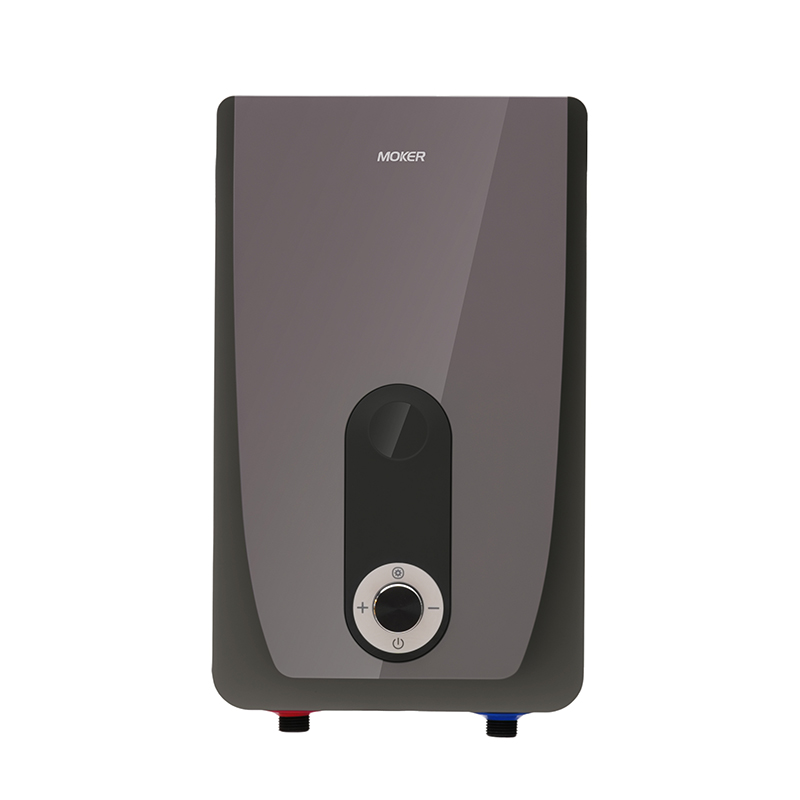
Electric water heater relies on a steel tank lined with high-temperature porcelain enamel to resist corrosion from water contact. Premium Electric water heater models use a double-layer enamel coating (0.5–1 mm thick) that bonds tightly to steel, preventing pinholes and chemical reactions with hard water minerals. To further enhance durability, Electric water heater integrates sacrificial anode rods (magnesium or zinc-aluminum alloy) that corrode preferentially, protecting the tank from rust. These rods require replacement every 3–5 years, but their presence extends Electric water heater service life to 8–12 years. For acidic water (pH <6.5), Electric water heater may add a glass-lined tank interior to resist chemical erosion, while heating elements are made of nickel-chromium alloy to avoid pitting from mineral deposits.
Tankless Water Heater: Heat exchanger materials for continuous use
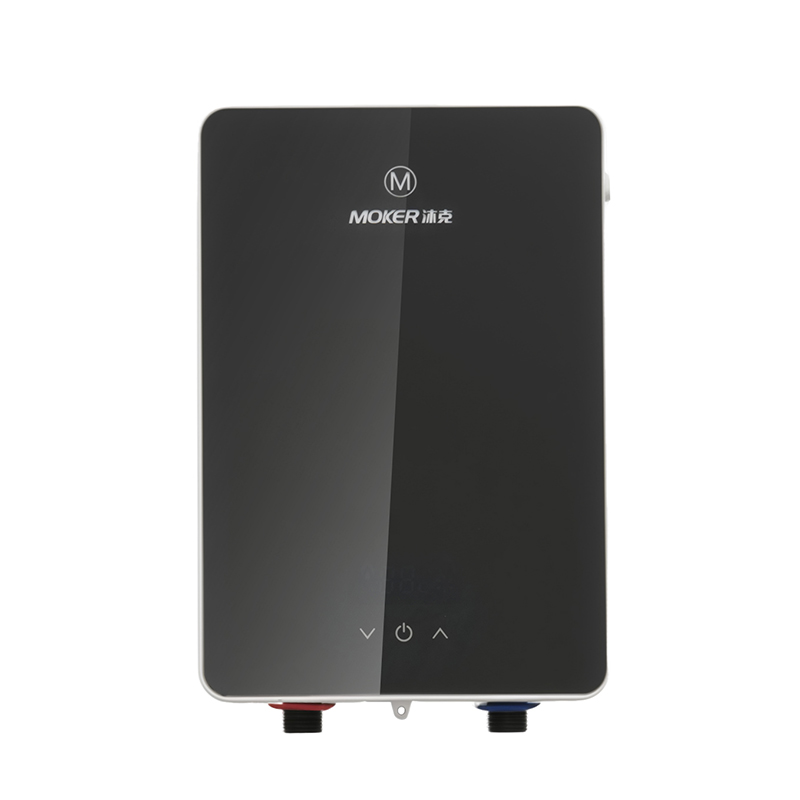
Tankless Water Heater, particularly electric Tankless Water Heater, uses compact heat exchangers made of corrosion-resistant materials to handle on-demand heating. electric Tankless Water Heater models typically use 316L stainless steel heat exchangers, which resist scale buildup and acidic water better than standard 304 stainless steel. High-end variants add a titanium nitride coating to the heat exchanger surface, repelling mineral deposits and reducing corrosion rates by 40–50%. Gas Tankless Water Heater units use copper heat exchangers for superior heat transfer, but these require a protective nickel plating to resist corrosion from sulfur in natural gas. Unlike Electric water heater, Tankless Water Heater has no storage tank, eliminating stagnant water corrosion, but its narrow heat exchanger channels demand regular descaling to maintain durability.
Instant water heater: Mini-tank materials for localized durability
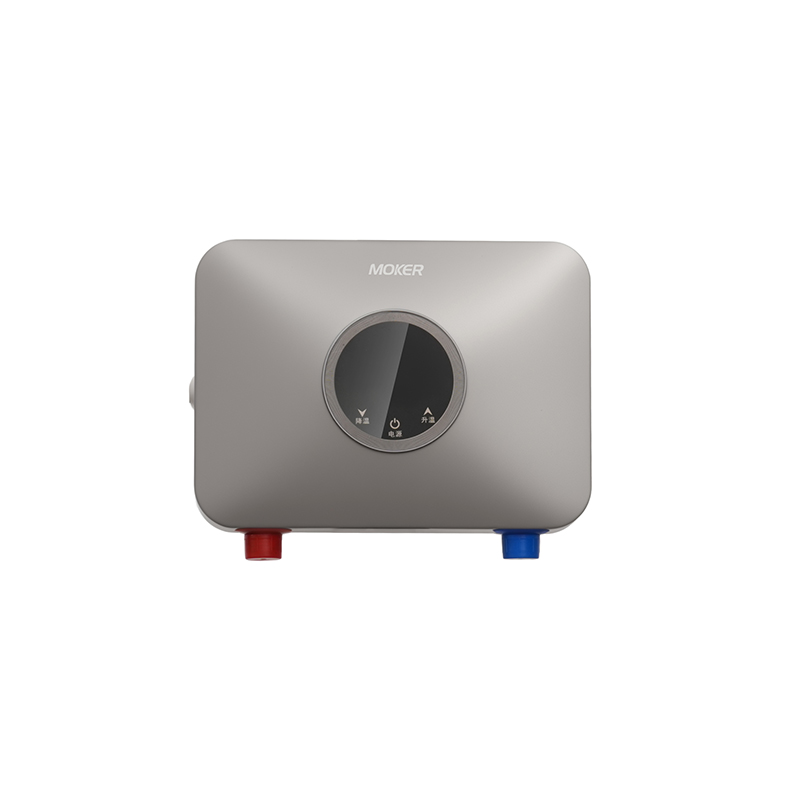
Instant water heater’s compact 1–3L mini tank uses a plastic-lined steel or food-grade polymer construction to resist corrosion in under-sink or small-bathroom installations. The heating element of Instant water heater is made of nickel-chromium alloy with a ceramic coating, preventing scale adhesion and extending element life to 5–7 years. For hard water regions, Instant water heater may integrate a removable scale filter at the inlet, reducing mineral contact with internal components. The plastic housing of Instant water heater also resists moisture damage, making it suitable for humid environments where Electric water heater steel tanks might corrode faster. While Instant water heater’s smaller size reduces overall material stress, its frequent on-off cycles require robust heating element materials to avoid fatigue failure.
instantaneous Water Heater electric: Portable materials for temporary use
instantaneous Water Heater electric’s portable design demands lightweight yet durable materials, ideal for camping, construction sites, or rental apartments. The micro-coil heating element of instantaneous Water Heater electric is coated with a frost-resistant ceramic layer that resists corrosion from unfiltered water and prevents ice adhesion in cold environments. The housing is made of impact-resistant ABS plastic, which withstands drops and outdoor exposure without cracking. Cordless instantaneous Water Heater electric models use food-grade silicone seals to prevent water leakage, while the battery compartment features a rubber gasket to resist moisture damage. Unlike Electric water heater or Tankless Water Heater, instantaneous Water Heater electric’s materials prioritize portability and corrosion resistance over long-term continuous use, making it a reliable temporary solution.
Instantaneous Hot Water integrated systems: Hybrid material optimization
Integrated Instantaneous Hot Water systems, combining electric Tankless Water Heater and Instant water heater, use hybrid material solutions to maximize durability across the entire system. The main electric Tankless Water Heater uses a titanium-reinforced stainless steel heat exchanger for high-demand whole-house use, while Instant water heater units employ polymer mini-tanks for localized low-flow needs. A centralized water treatment module adds a pH-neutralizing filter and scale inhibitor, reducing corrosion risk for all components. The system’s shared water pipes are made of PEX (cross-linked polyethylene), which resists scale and corrosion better than traditional copper pipes. This hybrid approach ensures consistent durability across units, extending the system’s overall service life to 15–20 years—longer than standalone Electric water heater or Tankless Water Heater models.In summary, material durability and corrosion resistance are shaped by targeted engineering: Electric water heater uses enamel coatings and anode rods; electric Tankless Water Heater relies on stainless steel heat exchangers; Instant water heater integrates polymer mini-tanks; instantaneous Water Heater electric features ceramic-coated micro-coils; Instantaneous Hot Water systems optimize hybrid materials. By selecting water heater models with corrosion-resistant materials tailored to local water quality, users can minimize maintenance costs and ensure reliable Instantaneous Hot Water delivery for years.