

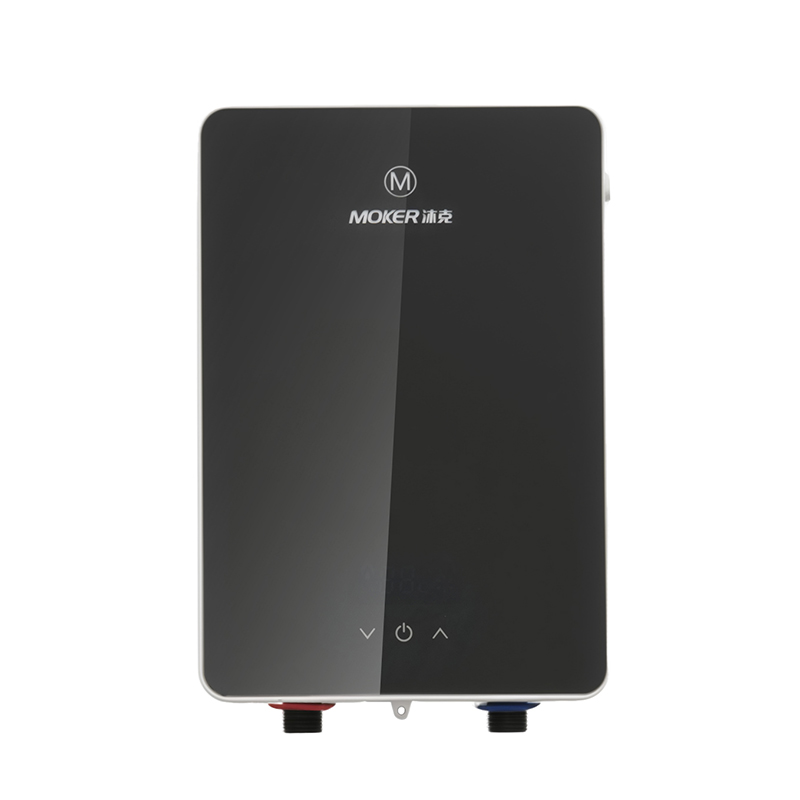
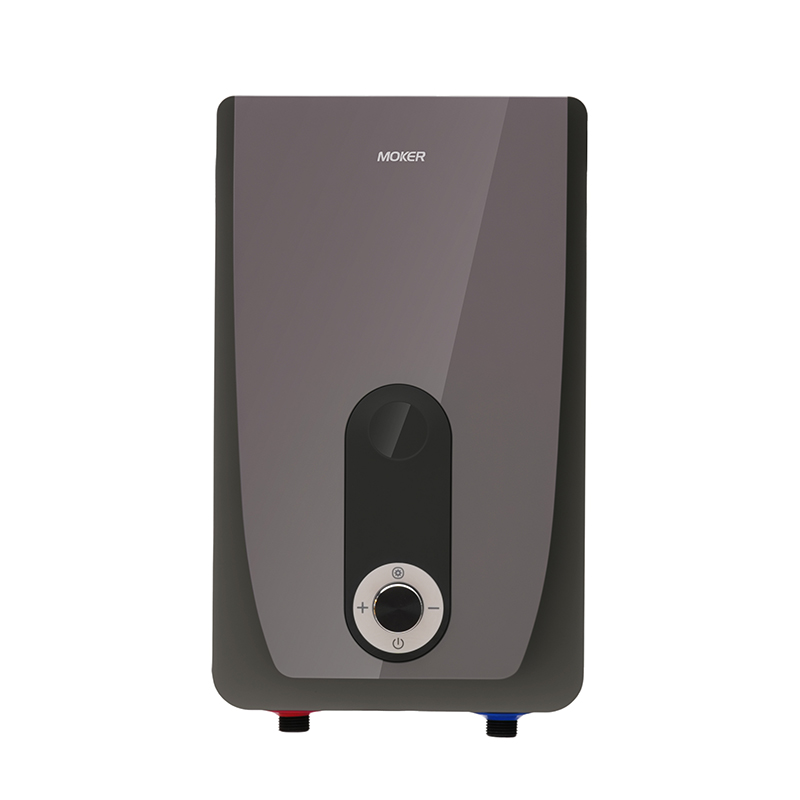
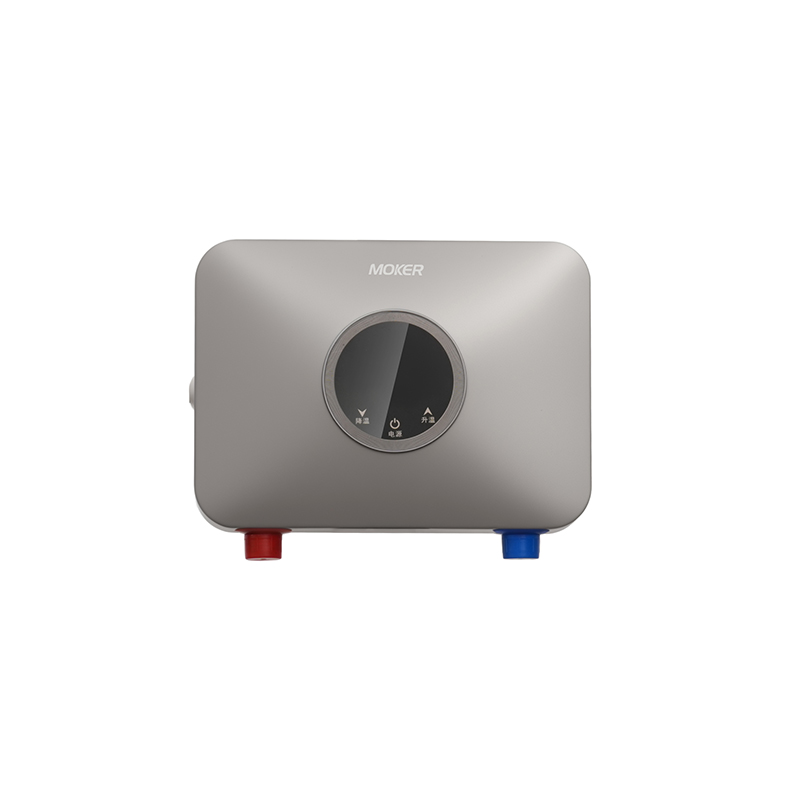
Performance Adaptability of Water Heaters to Different Water Qualities
Water quality varies globally—from hard water rich in minerals (calcium, magnesium) to soft water, acidic water (pH <6.5), and chlorinated municipal water—each posing unique challenges to water heater efficiency, lifespan, and performance. Performance adaptability to different water qualities refers to a water heater’s ability to resist scaling, corrosion, and clogging, while maintaining stable Instantaneous Hot Water delivery regardless of inlet water conditions. Electric water heater, Tankless Water Heater, electric Tankless Water Heater, Instant water heater, Instantaneous Hot Water Electric, and Instantaneous Hot Water systems each employ targeted design strategies to cope with diverse water qualities, with distinct strengths and limitations.
Electric water heater: Tank-based protection against scaling and corrosion
Electric water heater relies on its storage tank and internal components to adapt to varying water qualities. For hard water regions, Electric water heater integrates sacrificial anode rods (magnesium or zinc-aluminum alloy) to prevent mineral deposits from adhering to the tank wall and heating elements. High-end Electric water heater models add enamel-coated heating elements that repel scale, reducing efficiency loss by 15–20% compared to uncoated elements. In acidic water environments, Electric water heater uses glass-lined tanks instead of standard steel to resist chemical erosion, extending service life by 3–5 years. Chlorinated water (common in municipal supplies) can degrade rubber seals, so Electric water heater equips EPDM (ethylene propylene diene monomer) seals that withstand chlorine exposure. However, Electric water heater’s tank design traps sediment over time—hard water can cause scale buildup at the tank bottom, requiring quarterly flushing to maintain performance. For extremely hard water (>200 mg/L calcium carbonate), Electric water heater may need a pre-installed water softener to avoid premature heating element failure. Tankless Water Heater: Heat exchanger optimization for scale resistance Tankless Water Heater, especially electric Tankless Water Heater, faces greater scaling risks due to its narrow heat exchanger channels, making water quality adaptability critical. electric Tankless Water Heater uses 316L stainless steel or titanium heat exchangers that resist scale adhesion better than traditional materials. Premium electric Tankless Water Heater models feature self-descaling programs that circulate dilute citric acid through the heat exchanger every 3–6 months, eliminating accumulated scale. In soft water regions, Tankless Water Heater avoids corrosion by using corrosion-resistant gaskets and brass fittings, while acidic water requires a titanium nitride coating on the heat exchanger to prevent pitting. Chlorinated water has minimal impact on Tankless Water Heater’s metal components but can degrade plastic valves—so Tankless Water Heater uses chlorine-resistant PTFE valves. Unlike Electric water heater, Tankless Water Heater has no storage tank to trap sediment, but its on-demand heating intensifies mineral concentration in heat exchanger channels, making scale prevention a top priority for maintaining Instantaneous Hot Water delivery.
Instant water heater: Compact components tailored for localized water conditions Instant water heater’s small size and localized use require compact, water-resistant components that adapt to diverse inlet water. For hard water, Instant water heater uses ceramic heating coils with a non-stick coating that prevents scale buildup, and a removable inlet filter that traps mineral particles before they enter the heating chamber. The filter is easy to clean, allowing users to maintain performance without professional help. In acidic water, Instant water heater’s mini-tank is made of food-grade polymer instead of steel, avoiding corrosion and leaching. Chlorinated water is handled by EPDM seals and stainless steel fittings that resist degradation. Instant water heater’s low water volume (1–3L) means scale accumulates slowly, and its frequent on-off cycles reduce mineral deposition compared to Electric water heater. For coastal regions with saltwater intrusion (high chloride levels), Instant water heater offers marine-grade stainless steel components that prevent rust, making Instant water heater suitable for both residential and coastal commercial use.
Instantaneous Hot Water Electric: Portable design for variable water sources Instantaneous Hot Water Electric’s portable nature requires adaptability to unpredictable water sources—from camping streams to construction site taps—making water quality resilience a core design focus. Instantaneous Hot Water Electric uses ceramic micro-coils with a dual-layer coating: an inner layer resistant to acid corrosion and an outer layer that repels scale. A 20-micron micro-filter at the inlet traps sediment, algae, and debris, preventing clogging in the narrow heating channels. In chlorinated or saltwater environments, Instantaneous Hot Water Electric’s housing and fittings are made of impact-resistant ABS plastic and marine-grade stainless steel, avoiding rust and degradation. Unlike Electric water heater or Tankless Water Heater, Instantaneous Hot Water Electric has no storage components, so sediment and minerals are flushed out with each use, reducing scaling risks. For extremely hard or acidic water, Instantaneous Hot Water Electric supports inline water treatment cartridges (sold separately) that soften water or neutralize acidity, ensuring consistent performance across any water source.
Instantaneous Hot Water integrated systems: Centralized water treatment for universal adaptability Integrated Instantaneous Hot Water systems combine electric Tankless Water Heater, Instant water heater, and Instantaneous Hot Water Electric with a centralized water treatment module, delivering universal adaptability to any water quality. The central module includes a sediment filter, water softener (for hard water), pH neutralizer (for acidic water), and chlorine reducer (for municipal water), conditioning water before it reaches any unit. electric Tankless Water Heater handles high-demand whole-home use with titanium heat exchangers, while Instant water heater units serve localized points with polymer mini-tanks, and Instantaneous Hot Water Electric acts as a portable backup. The system’s central controller monitors water quality in real time, adjusting treatment levels and sending alerts for filter replacement. This integrated approach eliminates the single-unit limitations of Electric water heater or Tankless Water Heater, ensuring all components operate efficiently regardless of inlet water conditions. For large households or commercial spaces with inconsistent water quality, Instantaneous Hot Water integrated systems provide the most reliable Instantaneous Hot Water delivery with minimal maintenance. Performance adaptability to different water qualities is a decisive factor in water heater longevity and efficiency: Electric water heater uses tank-based protection for scale and corrosion; electric Tankless Water Heater optimizes heat exchangers for scale resistance; Instant water heater tailors compact components for localized conditions; Instantaneous Hot Water Electric adapts to variable portable water sources; Instantaneous Hot Water integrated systems use centralized treatment for universal compatibility. By selecting a water heater designed for local water quality—whether hard, acidic, chlorinated, or variable—users can avoid premature failure, reduce maintenance costs, and ensure consistent, reliable Instantaneous Hot Water delivery for years.