

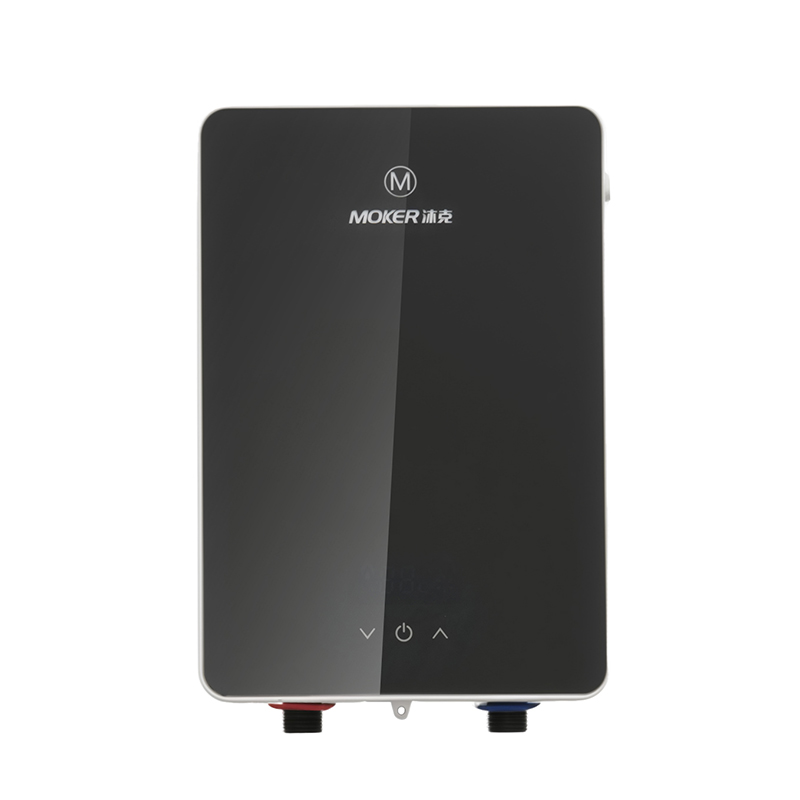
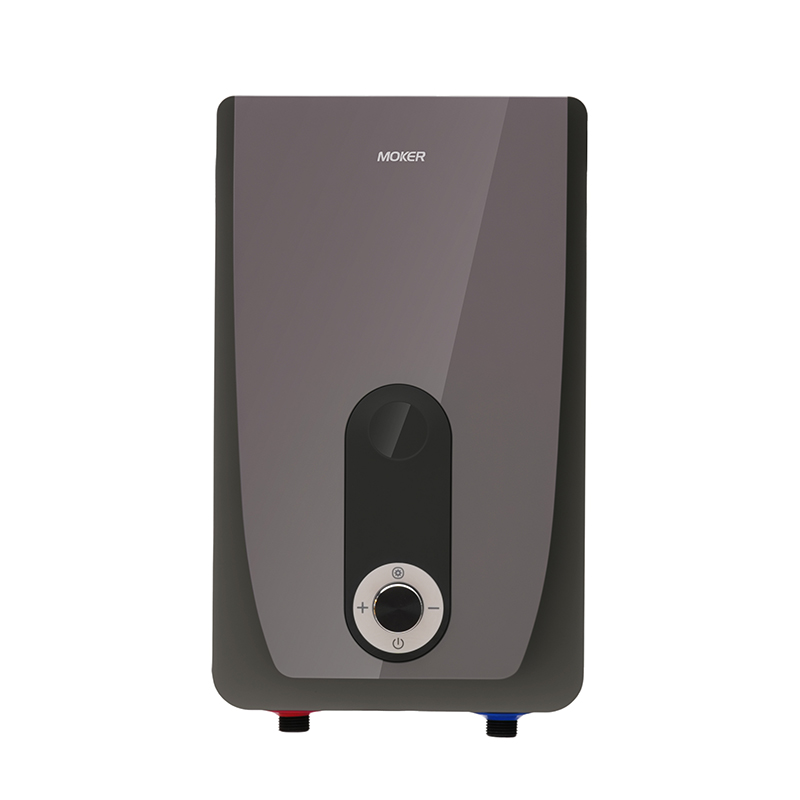
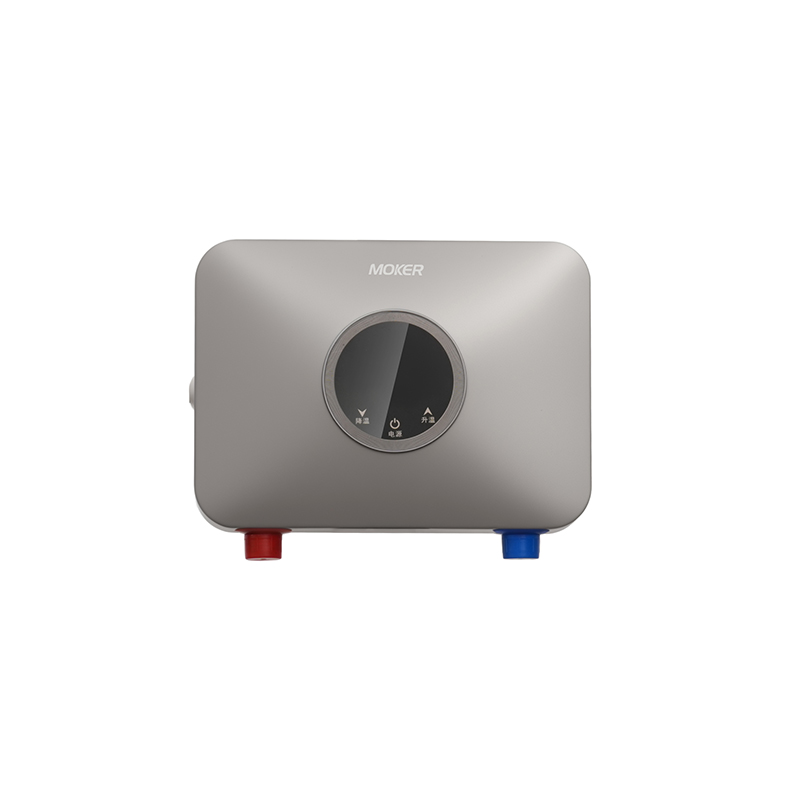
Water Pressure Compatibility and Flow Stability of Different Water Heaters
Water pressure compatibility refers to the ability of water heater to maintain consistent performance under varying incoming water pressure (typically 20–80 PSI), while flow stability denotes steady hot water output without temperature fluctuations or pressure drops during operation. These factors are critical for users in areas with inconsistent municipal water pressure or homes with low-flow plumbing, as poor compatibility leads to weak water flow, scalding risks, or equipment shutdown. Electric water heater, Tankless Water Heater, electric Tankless Water Heater, Instant water heater, instantaneous Water Heater electric, and Instantaneous Hot Water systems each exhibit distinct traits in this regard, shaped by internal flow regulators, heating element design, and pressure tolerance thresholds.
Electric water heater: Tank-based pressure buffering for consistent flow
Electric water heater relies on its insulated storage tank to buffer incoming water pressure, making Electric water heater highly compatible with low to moderate pressure (20–60 PSI). The tank’s air cushion and pressure relief valve absorb pressure spikes, preventing sudden flow surges that could damage plumbing or cause temperature fluctuations. For example, a 50-gallon Electric water heater maintains stable flow even when incoming pressure drops to 25 PSI, as the stored water acts as a reservoir to maintain output pressure. However, Electric water heater’s flow stability declines at high pressure (above 70 PSI), where the pressure relief valve may activate prematurely, reducing hot water delivery. High-end Electric water heater models integrate adjustable pressure regulators to dampen spikes, ensuring flow remains consistent across pressure ranges. While Electric water heater’s tank design offers inherent pressure tolerance, the unit’s reliance on stored water means flow rate is limited by tank capacity, making it less suitable for high-demand scenarios requiring continuous Instantaneous Hot Water.
Tankless Water Heater: Pressure sensitivity and flow activation thresholds
Tankless Water Heater, especially electric Tankless Water Heater, exhibits stricter pressure compatibility requirements due to its on-demand heating design. Most electric Tankless Water Heater models require a minimum flow rate (0.5–1 GPM) to activate heating elements, which translates to a minimum incoming pressure of 30–40 PSI. In low-pressure areas (below 30 PSI), electric Tankless Water Heater may fail to trigger, requiring a booster pump to increase pressure and ensure activation. Conversely, high pressure (above 80 PSI) can cause turbulent water flow through the heat exchanger, leading to temperature fluctuations (±3–5°F) and increased noise. Premium Tankless Water Heater variants address this with built-in flow regulators and pressure sensors that adjust heating power in real time, maintaining flow stability even as pressure varies. For example, electric Tankless Water Heater with adaptive flow control reduces heating intensity during pressure spikes to prevent overheating, ensuring Instantaneous Hot Water delivery remains consistent. While Tankless Water Heater offers unlimited hot water supply, its pressure sensitivity makes it less ideal for homes with unreliable municipal pressure without additional booster systems.
Instant water heater: Mini-tank pressure moderation for localized use
Instant water heater’s compact 1–3L mini tank provides moderate pressure compatibility, balancing the buffering of Electric water heater with the on-demand speed of Tankless Water Heater. Instant water heater operates effectively at 25–70 PSI, with the mini tank absorbing minor pressure fluctuations to maintain steady flow. For under-sink kitchen use, Instant water heater’s low flow rate (1–1.5 GPM) ensures stability even when incoming pressure drops to 25 PSI, making it suitable for older homes with outdated plumbing. However, Instant water heater’s flow stability declines at high pressure (above 70 PSI), where the mini tank’s small volume cannot dampen spikes, leading to sudden temperature increases. To mitigate this, Instant water heater models integrate flow restrictors at the inlet, limiting maximum flow to 1.5 GPM and preventing pressure-related scalding risks. Unlike electric Tankless Water Heater, Instant water heater does not require a minimum flow to activate, making it more forgiving in low-pressure environments for localized Instantaneous Hot Water needs.
instantaneous Water Heater electric: Portable pressure adaptability for flexible scenarios
instantaneous Water Heater electric’s portable design features enhanced pressure compatibility, tailored for temporary or off-grid use where water pressure is unpredictable. Most instantaneous Water Heater electric models operate across a wide pressure range (15–90 PSI), with built-in flow sensors that adjust heating power to match incoming pressure. For example, in camping scenarios with gravity-fed water tanks (15–20 PSI), instantaneous Water Heater electric maintains stable flow by reducing heating intensity to compensate for low pressure, ensuring consistent Instantaneous Hot Water delivery. Cordless instantaneous Water Heater electric variants add a built-in water pump to boost pressure in low-flow conditions, eliminating the need for external booster systems. The unit’s micro-coil heating element also responds rapidly to pressure changes, preventing temperature fluctuations that plague larger systems. While instantaneous Water Heater electric’s flow rate is limited (0.5–1 GPM), its pressure adaptability makes it the most reliable option for mobile or temporary use where consistent pressure cannot be guaranteed.
Instantaneous Hot Water integrated systems: Centralized pressure management for whole-home stability
Integrated Instantaneous Hot Water systems, combining electric Tankless Water Heater and Instant water heater, offer comprehensive pressure compatibility via centralized control. The system’s central controller monitors incoming pressure and distributes flow across units: electric Tankless Water Heater handles high-demand areas (showers, bathtubs) with adaptive flow regulators, while Instant water heater units cover low-pressure points (kitchen sinks, bathroom vanities) with mini-tank buffering. For homes with variable municipal pressure, the system adds a whole-house booster pump and pressure tank to maintain a steady 40–60 PSI across all outlets. This hybrid design ensures flow stability even during peak demand, as electric Tankless Water Heater delivers continuous Instantaneous Hot Water while Instant water heater units dampen pressure spikes. The integrated approach eliminates the pressure limitations of standalone units, making it ideal for large households or commercial spaces where consistent hot water flow is non-negotiable.Pressure compatibility and flow stability are critical for reliable hot water delivery: Electric water heater offers tank-based buffering; electric Tankless Water Heater requires precise pressure thresholds; Instant water heater balances mini-tank moderation; instantaneous Water Heater electric provides portable adaptability; Instantaneous Hot Water systems deliver centralized pressure management. By selecting water heater aligned with local pressure conditions and usage demands, users can ensure consistent flow, avoid equipment failure, and maintain safe, reliable Instantaneous Hot Water access across all scenarios.