

Water-Saving Performance and Water Resource Utilization Optimization of Different Water Heaters
Water-saving performance refers to the ability of water heater to minimize water waste during operation (e.g., avoiding unnecessary water discharge, reducing standby water loss), while water resource utilization optimization involves structural design or functional upgrades that align hot water supply with actual demand—preventing overconsumption. In regions facing water scarcity or high water tariffs, water-saving performance has become a core criterion for water heater selection. Electric water heater, Tankless Water Heater, Instant water heater, Instantaneous Hot Water equipment, and Instantaneous Water Heater electric each have distinct water-saving traits, shaped by heating modes and flow control precision.
Electric water heater: Water-saving relying on storage efficiency and recycling design
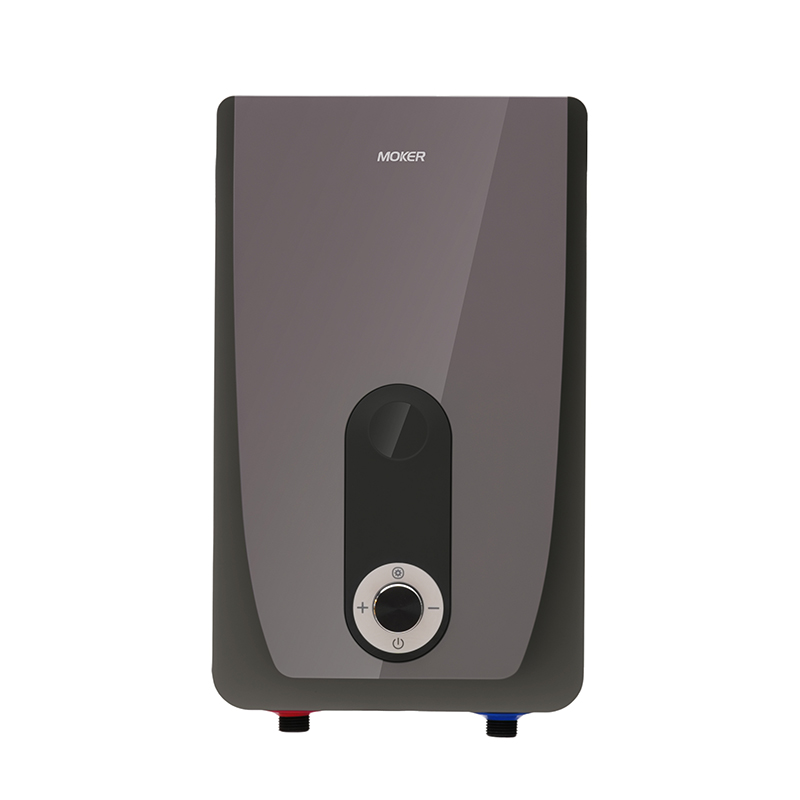
Electric water heater’s tank-based design avoids frequent water discharge during startup (unlike some on-demand models), but its water-saving performance depends on reducing “stagnant water waste.” High-quality Electric water heater models are equipped with a “bottom water circulation system” that circulates residual cold water at the tank bottom back to the heating zone—eliminating the need to drain cold water before using hot water, which saves 5–8 liters per use. For large families, Electric water heater’s 50–100 gallon tank stores sufficient hot water for consecutive use (e.g., 3–4 showers), avoiding repeated startup and cold water discharge between uses. To optimize water utilization, Electric water heater can be paired with a smart water flow sensor that adjusts heating intensity based on real-time flow rate—ensuring hot water supply matches usage without excess water waste. However, older Electric water heater models lack circulation systems, leading to 10–15 liters of cold water waste per startup; retrofitting with a small circulation pump can improve water-saving efficiency by 30%.
Tankless Water Heater: On-demand heating for core water-saving advantage
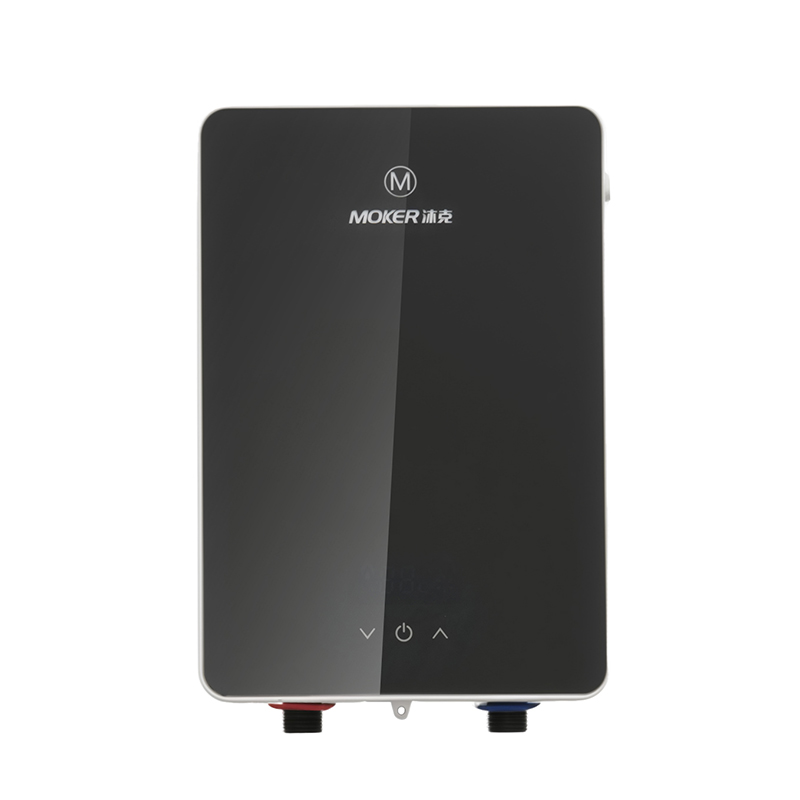
Tankless Water Heater’s greatest water-saving merit lies in its “no storage, no waste” design—hot water is produced only when taps are turned on, eliminating stagnant water waste in storage tanks. gas Tankless Water Heater and electric Tankless Water Heater both feature precise flow control valves that maintain stable flow rates (2–5 GPM) while heating, preventing water waste caused by sudden flow surges. Premium Tankless Water Heater models integrate “adaptive flow adjustment”: when multiple faucets are used simultaneously, Tankless Water Heater distributes hot water evenly without reducing flow to a wasteful trickle. For low-flow scenarios (e.g., handwashing), Tankless Water Heater lowers flow rate to 0.5–1 GPM while maintaining temperature, saving 30–40% water compared to standard flow rates. A key optimization is the “cold water preemption” function: Tankless Water Heater detects residual cold water in pipes and redirects it to the heating exchanger instead of discharging it, further reducing waste by 2–3 liters per use.
Instant water heater: Mini-tank precision control for localized water saving
Instant water heater’s 1–3L mini tank and targeted heating design excel at localized water saving (e.g., under-sink handwashing, small bathroom use). Instant water heater’s “quick heating + low flow” combination delivers hot water in 30 seconds with a flow rate of 1–1.5 GPM—avoiding the large cold water discharge of long-pipe Electric water heater installations. For kitchen use, Instant water heater’s “micro-flow mode” (0.3–0.5 GPM) provides just enough hot water for dish rinsing, saving 50% more water than standard faucets paired with Electric water heater. Instant water heater’s compact size allows installation near water outlets, minimizing pipe length and cold water waste between the unit and the faucet (saving 1–2 liters per use compared to wall-mounted Tankless Water Heater installed far from taps). To enhance water-saving, some Instant water heater models add a “water volume reminder” that alerts users when 5 liters of hot water have been used—discouraging unnecessary prolonged use.
Instantaneous Water Heater electric: Portable low-flow design for flexible water saving
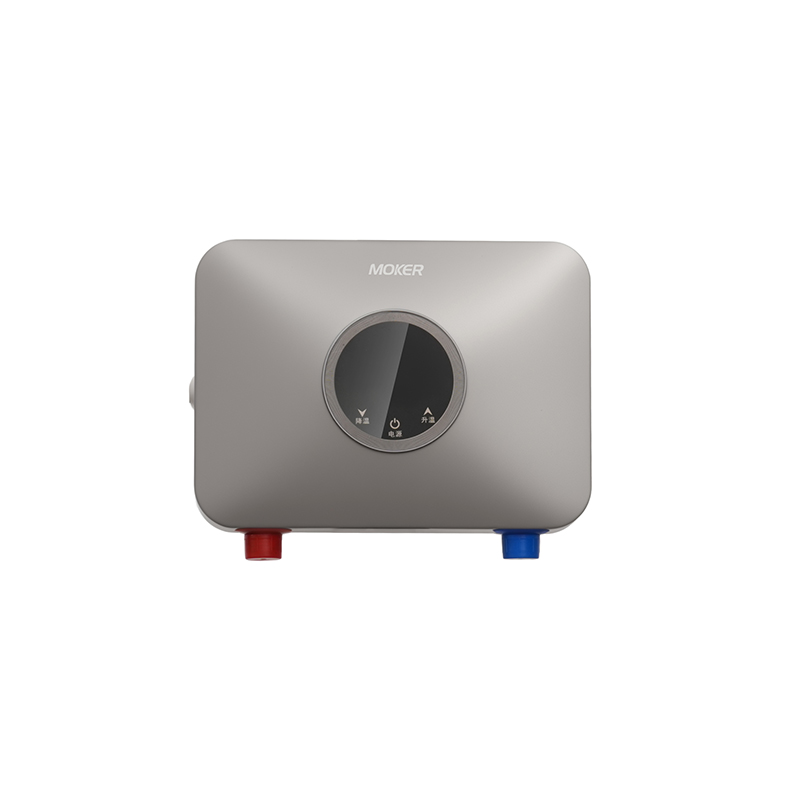
Instantaneous Water Heater electric’s palm-sized structure and low-power operation are paired with ultra-precise water flow control, making it ideal for water-saving in temporary or low-demand scenarios. Instantaneous Water Heater electric’s flow rate is fixed at 0.5–1 GPM (adjustable via a small dial), ensuring hot water supply without excess discharge—perfect for outdoor handwashing, pet grooming, or camping (saving 40–60% water compared to standard outdoor showers). The unit’s “auto-shutoff” function turns off water flow after 5 minutes of inactivity, preventing accidental waste from forgotten taps. For indoor use (e.g., small bathrooms), Instantaneous Water Heater electric can be connected to a low-flow showerhead (0.8 GPM), creating a water-saving combo that uses only 3–4 liters of water per quick shower. Unlike Electric water heater or Tankless Water Heater, Instantaneous Water Heater electric requires no pipe circulation, as its direct connection to faucets eliminates residual water waste entirely.
Instantaneous Hot Water integrated systems: Hybrid water-saving solutions
Integrated Instantaneous Hot Water systems (combining electric Tankless Water Heater and Instant water heater) optimize water use across the entire home. The main electric Tankless Water Heater supplies hot water to high-demand areas (showers, bathtubs) with adaptive flow control, while Instant water heater units handle low-demand points (kitchen sinks, bathroom vanities)—eliminating overkill water supply for small tasks. The system’s central controller monitors water usage patterns, adjusting flow rates for each water heater type: electric Tankless Water Heater increases flow to 3–4 GPM for showers, while Instant water heater maintains 0.5 GPM for handwashing. This hybrid setup reduces overall household water consumption by 20–25% compared to using a single Electric water heater or Tankless Water Heater for all needs. Additionally, the system collects and filters residual warm water from taps, redirecting it to the electric Tankless Water Heater’s inlet—reusing heat and reducing the need to heat cold water from scratch.
Water-saving performance is determined by water heater’s design and usage scenario: Electric water heater relies on circulation to reduce stagnant waste; Tankless Water Heater uses on-demand heating to avoid storage waste; Instant water heater excels at localized low-flow saving; Instantaneous Water Heater electric offers portable precision control; Instantaneous Hot Water integrated systems combine multi-scenario optimization. Choosing water heater with strong water-saving performance not only reduces household water bills but also contributes to global water conservation efforts—making it a responsible choice for environmentally conscious users.