

Cold Weather Resilience: Performance of Water Heaters in Subzero Conditions
Extreme subzero temperatures pose unique threats to water heating systems, including frozen pipes, reduced heating efficiency, and complete operational shutdowns. Cold weather resilience depends on insulation quality, anti-freeze mechanisms, and the ability to maintain Instantaneous Hot Water delivery despite frigid inlet water. Electric water heater, Tankless Water Heater, electric Tankless Water Heater, Instant water heater, instantaneous Water Heater electric, and Instantaneous Hot Water systems each employ distinct design strategies to withstand cold climates, with varying levels of success.
Electric water heater: Tank insulation and passive freeze protection
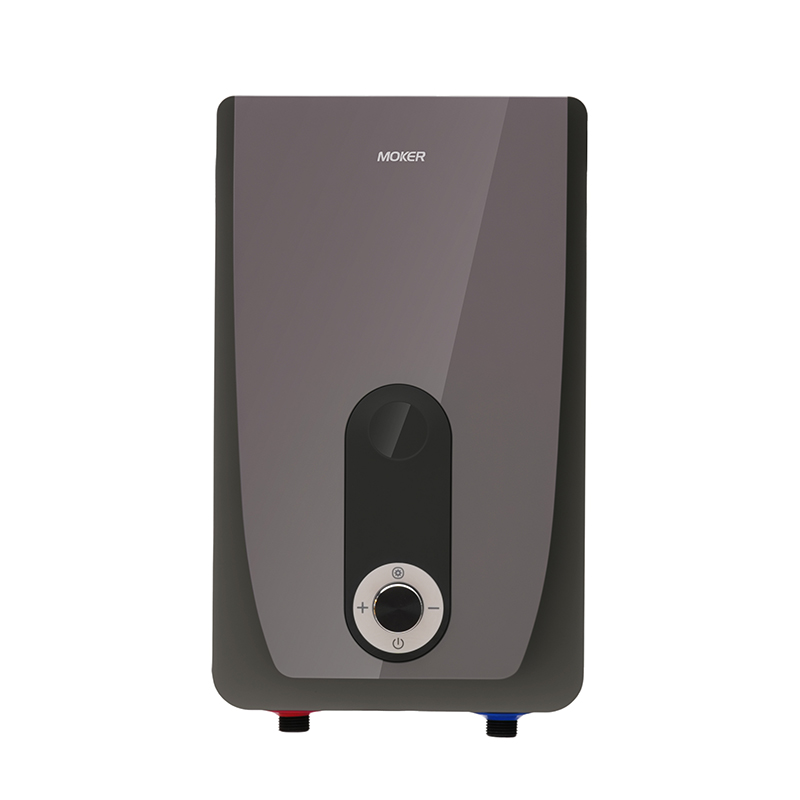
Electric water heater relies on thick polyurethane foam insulation (5–7 cm) around the steel tank to retain heat in subzero conditions, reducing standby heat loss by 15–20% compared to uninsulated models. High-end Electric water heater models add heat traps at inlet/outlet pipes to prevent cold water from mixing with stored hot water, maintaining tank temperature even when outdoor temperatures drop to -10°F. A critical safety feature is a drain valve at the tank bottom, allowing users to empty Electric water heater if a freeze is imminent, avoiding burst pipes. However, Electric water heater’s resilience is limited by power dependency: if grid electricity fails, the tank loses heat rapidly, and stored water can freeze within 4–6 hours. Some Electric water heater models integrate battery-powered trace heating for pipes, but this adds cost and complexity.
Tankless Water Heater: Active anti-freeze systems and cold water performance
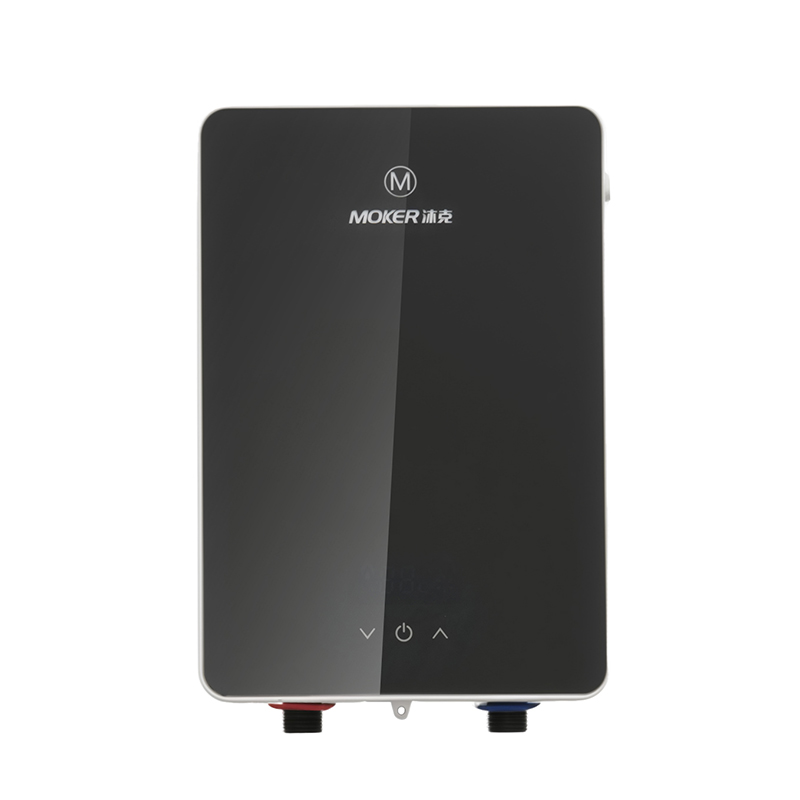
Tankless Water Heater, especially electric Tankless Water Heater, uses active anti-freeze technologies to survive subzero weather. Most electric Tankless Water Heater models include built-in circulation pumps that recirculate small amounts of hot water through pipes to prevent freezing, while trace heating elements wrap around heat exchangers to maintain minimum operating temperatures. However, cold inlet water (30–40°F) reduces electric Tankless Water Heater’s heating capacity by 25–35%, as the unit must expend more energy to raise water to 120°F. Gas Tankless Water Heater models face similar challenges, with combustion efficiency dropping in cold air due to reduced oxygen density. Premium Tankless Water Heater variants add “cold climate mode” that increases fan speed and heating power to compensate, ensuring consistent Instantaneous Hot Water delivery even in -20°F conditions.
Instant water heater: Localized freeze protection for under-sink use
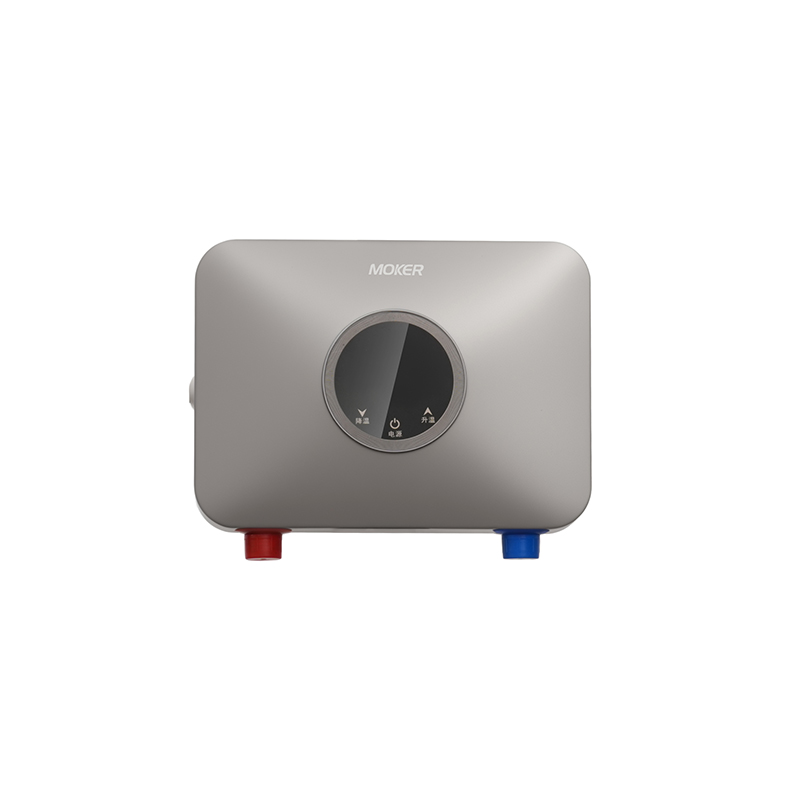
Instant water heater’s compact 1–3L mini tank requires targeted freeze protection for under-sink installations in cold garages or unheated bathrooms. Most Instant water heater models feature a low-temperature cut-off thermostat that shuts down the unit if water temperature drops below 32°F, preventing ice formation. The mini tank’s plastic housing and foam insulation also reduce heat loss, though prolonged exposure to -5°F can still cause freezing if the unit is unused for 24+ hours. To mitigate this, some Instant water heater models integrate a small heating pad around the tank, powered by a 12V battery, to maintain above-freezing temperatures during power outages. While Instant water heater’s localized design limits freeze risk to a small component, its reliance on nearby plumbing means pipes leading to the unit still require insulation to avoid bursts.
instantaneous Water Heater electric: Portable frost resistance for off-grid use
instantaneous Water Heater electric is engineered for cold weather portability, making it ideal for camping, ice fishing, or remote construction sites in subzero conditions. The unit’s ceramic micro-coil heating element is coated with a frost-resistant layer that prevents ice adhesion, while the ABS plastic housing features double-wall insulation to retain heat. Cordless instantaneous Water Heater electric models use lithium-ion batteries with low-temperature protection, maintaining 80% of capacity at -10°F, and include a built-in water filter to remove ice particles from snow-melt or cold stream water. Unlike Electric water heater or Tankless Water Heater, instantaneous Water Heater electric requires no fixed plumbing, eliminating pipe freeze risks entirely. For temporary cold-weather use, instantaneous Water Heater electric delivers reliable Instantaneous Hot Water without the need for complex anti-freeze systems.
Instantaneous Hot Water integrated systems: Hybrid cold climate resilience
Integrated Instantaneous Hot Water systems, combining electric Tankless Water Heater and instantaneous Water Heater electric, offer layered cold weather protection for whole-home use. The main electric Tankless Water Heater uses circulation pumps and trace heating to prevent pipe freezing, while instantaneous Water Heater electric units act as a backup for outdoor or remote taps (e.g., garden hoses, garage sinks) that are prone to freezing. A central controller monitors outdoor temperature, activating “cold climate mode” for electric Tankless Water Heater and preheating instantaneous Water Heater electric batteries when temperatures drop below 0°F. This hybrid approach ensures consistent Instantaneous Hot Water delivery across the home, even during prolonged power outages or extreme cold snaps. The system’s modular design also allows users to add extra insulation or heating pads to high-risk pipes, further enhancing resilience.Cold weather resilience is a critical but often overlooked factor in water heater selection: Electric water heater offers passive tank protection but risks freezing during outages; electric Tankless Water Heater uses active anti-freeze tech but faces reduced efficiency in cold water; Instant water heater provides localized protection for under-sink use; instantaneous Water Heater electric delivers portable frost resistance for off-grid scenarios; Instantaneous Hot Water systems offer hybrid whole-home resilience. By choosing models tailored to subzero conditions, users can avoid frozen pipes, maintain reliable hot water access, and ensure comfort
even in the harshest winter weather.