

Compatibility of Water Heaters with Low-Flow Plumbing Fixtures for Water Conservation
Low-flow plumbing fixtures (0.5–1.5 GPM) are critical for reducing residential and commercial water waste, but their effectiveness depends on water heater compatibility to maintain reliable Instantaneous Hot Water delivery. Poor compatibility leads to issues like failed activation, temperature fluctuations, or reduced energy efficiency, undermining conservation efforts. Electric water heater, Tankless Water Heater, electric Tankless Water Heater, Instant water heater, instantaneous Water Heater electric, and Instantaneous Hot Water systems each exhibit distinct performance with low-flow fixtures, shaped by flow activation thresholds, heating mechanisms, and flow stabilization design.
Electric water heater: Tank storage buffers low-flow limitations
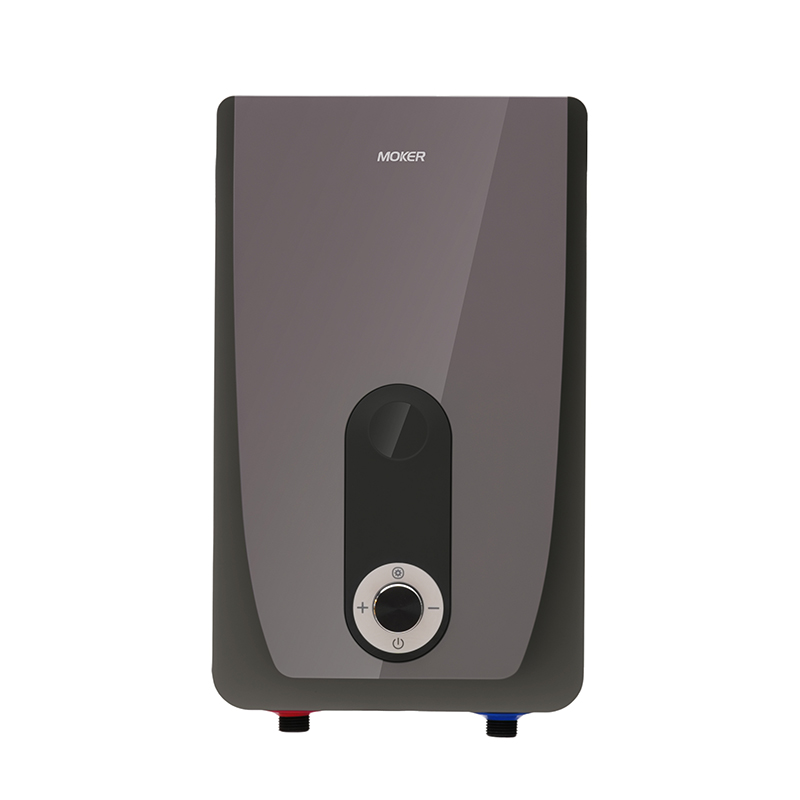
Electric water heater relies on a stored hot water supply, making Electric water heater inherently compatible with low-flow fixtures—no minimum flow rate is required to activate heating. However, low flow rates (≤1 GPM) can cause temperature stratification in the tank, where hot water at the top is drawn slowly, leaving cooler water at the bottom. This leads to gradual temperature drops during prolonged low-flow use, such as handwashing with a 0.8 GPM faucet. To mitigate this, Electric water heater pairs with mixing valves that blend hot and cold water to maintain a consistent outlet temperature, even as tank water cools. High-end Electric water heater models also include recirculation pumps to keep tank water mixed, reducing stratification and improving low-flow performance. While Electric water heater avoids activation issues, its standby heat loss remains a drawback, as stored water wastes energy even when low-flow fixtures are used infrequently.
Tankless Water Heater: Flow activation thresholds challenge low-flow compatibility
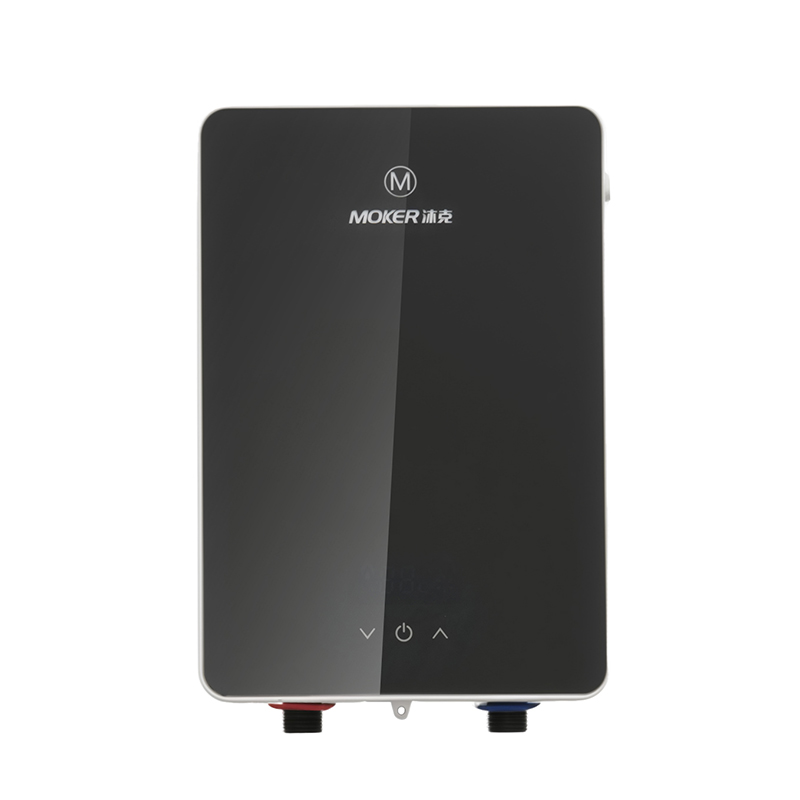
Tankless Water Heater, particularly electric Tankless Water Heater, faces compatibility hurdles with low-flow fixtures due to minimum flow activation requirements (typically 0.5–0.8 GPM). A 0.5 GPM low-flow showerhead may fail to trigger electric Tankless Water Heater, leaving users with cold water. Gas Tankless Water Heater models have similar thresholds, as their combustion systems require sufficient water flow to sustain heating. To address this, manufacturers offer low-flow bypass valves or minimum flow regulators that recirculate water to meet activation thresholds, allowing electric Tankless Water Heater to operate with 0.3–0.4 GPM fixtures. Premium electric Tankless Water Heater models also feature “low-flow mode” that reduces heating power to maintain activation at lower flow rates, ensuring Instantaneous Hot Water delivery for water-saving fixtures. However, these adjustments increase energy consumption slightly, as the unit must heat recirculated water to stay active.
Instant water heater: Compact design aligns with low-flow localized use
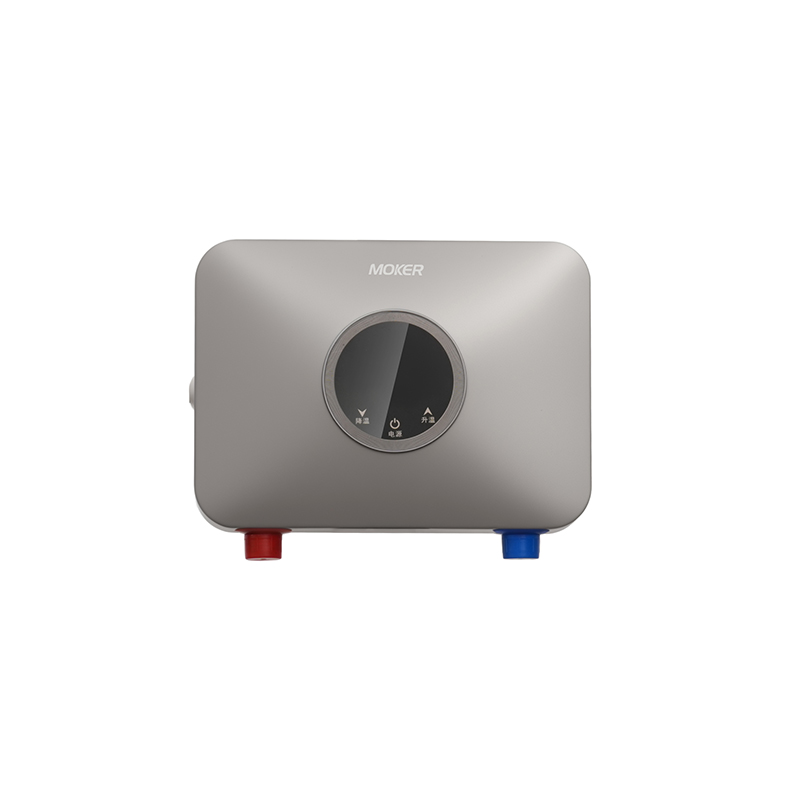
Instant water heater’s compact 1–3L mini tank and low power (2–3 kW) make Instant water heater ideal for low-flow under-sink fixtures, such as 0.5 GPM kitchen faucets or 0.8 GPM bathroom sinks. Unlike electric Tankless Water Heater, Instant water heater has no minimum flow activation threshold—its mini tank preheats water to the set temperature, ensuring Instantaneous Hot Water is available even at very low flow rates. The unit’s small volume also minimizes temperature fluctuations during low-flow use, as the mini tank refills quickly and maintains consistent heat. For commercial settings like office breakrooms, Instant water heater pairs seamlessly with low-flow handwashing faucets, reducing water waste while ensuring reliable hot water access. Some Instant water heater models add flow restrictors to further optimize performance with low-flow fixtures, preventing excessive water draw that could deplete the mini tank.
instantaneous Water Heater electric: Portable design optimized for ultra-low flow
instantaneous Water Heater electric is engineered for ultra-low flow compatibility, making it the top choice for temporary or off-grid low-flow applications, such as 0.3 GPM camping showers or 0.5 GPM construction site handwashing stations. The unit’s micro-coil heating element activates at flow rates as low as 0.2 GPM, with no minimum threshold required. Cordless instantaneous Water Heater electric models use built-in pumps to boost flow slightly if needed, ensuring consistent Instantaneous Hot Water delivery even with gravity-fed low-flow fixtures. Unlike Electric water heater or electric Tankless Water Heater, instantaneous Water Heater electric’s portable design eliminates standby energy waste, as the unit only operates when water flows—aligning perfectly with the intermittent use of low-flow fixtures. This efficiency makes instantaneous Water Heater electric a cornerstone of water conservation strategies in remote or temporary settings.
Instantaneous Hot Water integrated systems: Hybrid compatibility for whole-home low-flow setups
Integrated Instantaneous Hot Water systems, combining electric Tankless Water Heater and Instant water heater, deliver universal low-flow compatibility for whole-home setups. The system uses electric Tankless Water Heater for high-flow fixtures (e.g., 1.5 GPM showers) and Instant water heater units for low-flow points (e.g., 0.5 GPM bathroom faucets). A central controller monitors flow rates across all fixtures, activating the appropriate unit to ensure Instantaneous Hot Water delivery without activation failures or temperature drops. For example, when a 0.6 GPM faucet is turned on, the controller triggers an Instant water heater unit, avoiding the need to activate electric Tankless Water Heater and its higher minimum flow threshold. This hybrid approach reduces energy waste by 25–35% compared to standalone electric Tankless Water Heater, as low-flow fixtures no longer require recirculation or bypass valves to operate.In summary, low-flow fixture compatibility varies widely by water heater type: Electric water heater uses tank storage to avoid activation issues but suffers from standby loss; electric Tankless Water Heater requires adjustments to meet low-flow thresholds; Instant water heater aligns with localized low-flow use; instantaneous Water Heater electric excels in ultra-low flow scenarios; Instantaneous Hot Water systems offer hybrid whole-home compatibility. By selecting models tailored to low-flow plumbing, users can maximize water conservation without sacrificing reliable Instantaneous Hot Water access—proving that efficient water heating and sustainable plumbing can work in tandem.