

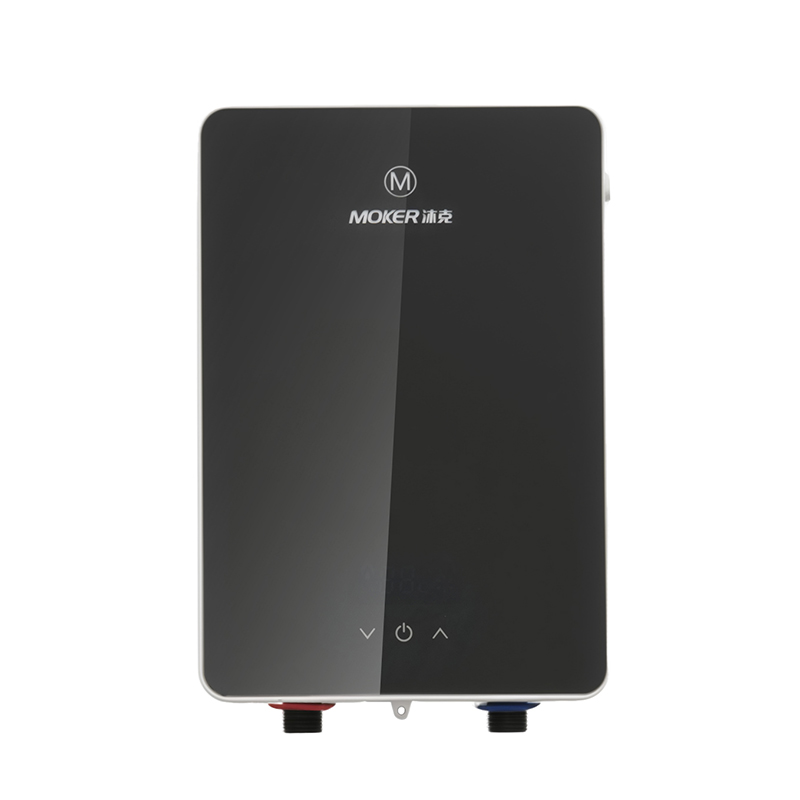
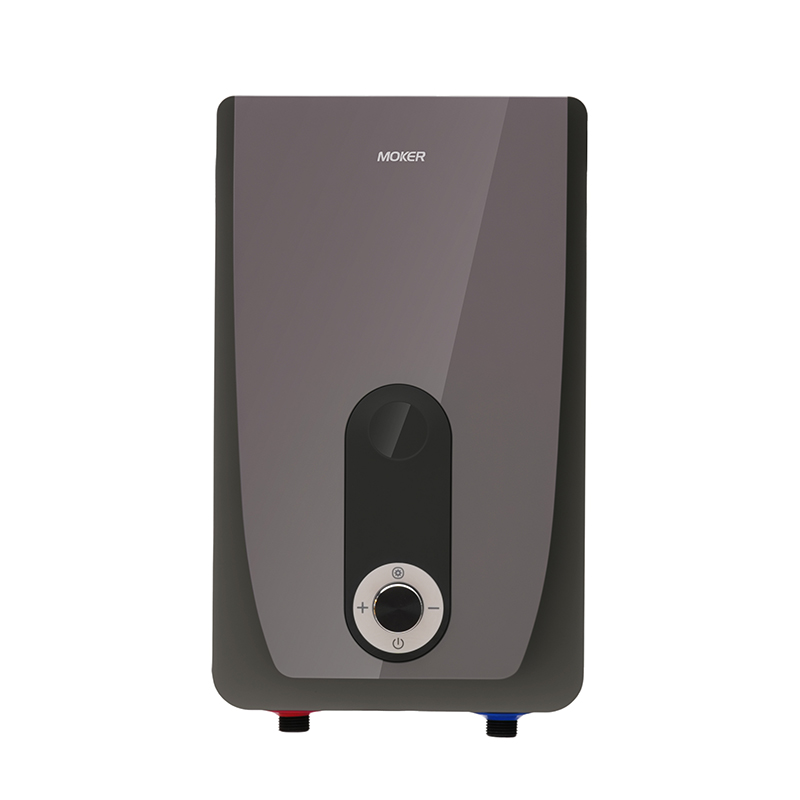
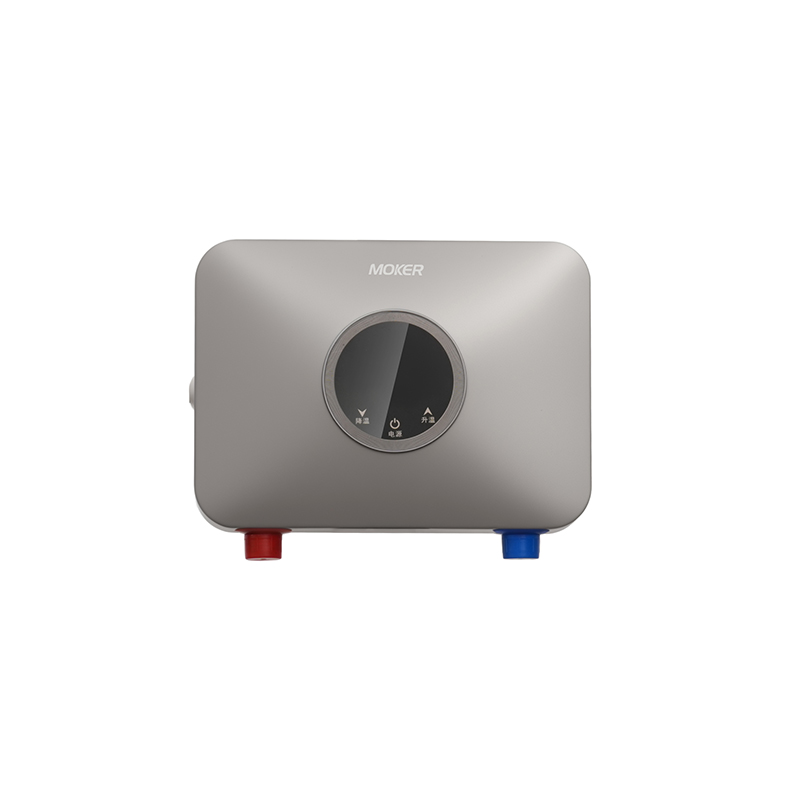
Compatibility of Water Heaters with Renewable Energy Sources Renewable energy integration has become a core trend in home energy systems, and water heater compatibility with sources like solar power, wind energy, and battery storage directly impacts energy sustainability and cost savings. This compatibility refers to a water heater’s ability to adapt to intermittent renewable power supply, synchronize with energy storage systems, and maintain stable Instantaneous Hot Water delivery while maximizing renewable energy utilization. Electric water heater, Tankless Water Heater, electric Tankless Water Heater, Instant water heater, Instantaneous Hot Water Electric, and Instantaneous Hot Water systems each feature distinct renewable energy adaptation designs, shaped by power requirements, operational modes, and control flexibility. Electric water heater: Solar auxiliary heating compatibility with tank storage buffering Electric water heater is highly compatible with solar water heating systems, leveraging its insulated storage tank to store solar-heated water for later use. Most Electric water heater models can be retrofitted with solar thermal collectors: the solar system preheats water to 80–100°F before it enters the Electric water heater tank, reducing the unit’s electricity consumption by 50–70%. Electric water heater’s tank storage acts as a buffer for intermittent solar energy—during cloudy days or nighttime, Electric water heater switches to grid power or battery storage to maintain desired temperatures. High-end Electric water heater models include dual-energy controllers that automatically prioritize solar energy, only activating electric heating when solar output is insufficient. However, Electric water heater’s fixed power consumption (1500–5500 watts) makes it less compatible with small-scale photovoltaic (PV) systems; a 50-gallon Electric water heater requires a 3–5 kW PV array to power it independently, limiting use for households with limited roof space. Tankless Water Heater: On-demand heating synergy with PV systems Tankless Water Heater, especially electric Tankless Water Heater, exhibits excellent compatibility with PV systems due to its on-demand heating mode and variable power output. electric Tankless Water Heater’s power adjusts from 30–100% based on hot water demand, allowing it to match fluctuating PV output—during peak sunlight hours, electric Tankless Water Heater uses full PV power for high-flow use, while reducing power consumption during low-light periods. Unlike Electric water heater, electric Tankless Water Heater has no standby energy loss, ensuring 100% of consumed energy comes from renewable sources when available. Gas-powered Tankless Water Heater can also integrate with biogas systems (a renewable energy source), using organic waste-derived biogas for combustion, reducing carbon emissions by 60–80% compared to natural gas. Premium electric Tankless Water Heater models feature smart energy management systems that sync with home battery storage, storing excess PV power to power the unit during nighttime or cloudy weather, achieving near-100% renewable energy reliance for Instantaneous Hot Water delivery. Instant water heater: Low-power adaptation for small-scale renewable systems Instant water heater’s low power consumption (2–3 kW) makes it ideal for compatibility with small-scale renewable energy sources, such as portable solar panels or small wind turbines. Instant water heater’s localized use (e.g., under-sink handwashing) aligns with intermittent renewable output—users can activate Instant water heater only when renewable power is available, avoiding grid electricity use. For off-grid cabins or tiny homes, Instant water heater paired with a 1–2 kW PV array and small battery bank provides reliable hot water without grid reliance. Unlike Electric water heater’s high power demand, Instant water heater can operate on low-voltage renewable systems (12V or 24V) with a simple inverter, reducing system complexity and cost. Some Instant water heater models are designed with DC power compatibility, directly connecting to solar panels without an inverter, further improving energy efficiency and renewable energy utilization. Instantaneous Hot Water Electric: Portable renewable synergy for off-grid use Instantaneous Hot Water Electric’s portable design and low power output (0.5–2 kW) make it the most flexible water heater for renewable energy integration, especially for off-grid or temporary scenarios. Cordless Instantaneous Hot Water Electric models can be paired with portable solar panels (50–100 watts) and rechargeable batteries, providing Instantaneous Hot Water for camping, hiking, or construction sites without grid or gas access. The unit’s variable power modes (low/high) allow it to adapt to limited renewable output—low power (0.5 kW) for handwashing when solar output is low, and high power (2 kW) for quick showers during peak sunlight. Unlike Tankless Water Heater’s fixed installation, Instantaneous Hot Water Electric can be moved to follow sunlight, maximizing solar energy capture. For wind-powered off-grid setups, Instantaneous Hot Water Electric’s low power demand (0.5–2 kW) matches the output of small wind turbines (1–3 kW), ensuring consistent hot water even in remote areas with no grid connection. Instantaneous Hot Water integrated systems: Hybrid renewable energy optimization Integrated Instantaneous Hot Water systems combine electric Tankless Water Heater, Instant water heater, and Instantaneous Hot Water Electric with a centralized renewable energy management hub, achieving comprehensive compatibility with multiple renewable sources. The hub connects to PV arrays, solar thermal collectors, and battery storage, distributing renewable energy to the most suitable unit based on demand: electric Tankless Water Heater uses PV power for whole-home high-demand use, Instant water heater units operate on small-scale solar for localized needs, and Instantaneous Hot Water Electric serves as a portable backup powered by portable solar panels. The system’s AI algorithm predicts renewable energy output and hot water demand, preheating electric Tankless Water Heater during peak PV hours and storing excess energy in batteries for nighttime use. Unlike standalone Electric water heater or Tankless Water Heater, the integrated system optimizes renewable energy utilization across all scenarios, reducing grid reliance by 80–90% and minimizing carbon footprint. For large households or commercial spaces with diverse renewable energy setups, this hybrid system delivers the most efficient and sustainable Instantaneous Hot Water solution. Compatibility with renewable energy sources defines a water heater’s role in eco-friendly homes: Electric water heater uses tank storage for solar thermal integration; electric Tankless Water Heater syncs with PV systems via on-demand heating; Instant water heater adapts to small-scale renewable setups with low power demand; Instantaneous Hot Water Electric enables portable off-grid renewable use; Instantaneous Hot Water integrated systems optimize hybrid renewable energy utilization. By selecting a water heater tailored to available renewable sources—whether PV arrays, solar thermal, wind, or biogas—users can reduce energy bills, lower carbon emissions, and ensure reliable Instantaneous Hot Water delivery while contributing to a sustainable energy future.