Emergency Hot Water Resilience: The Critical Role of instantaneous Water Heater electric and Backup Systems
2026-02-01Emergency Hot Water Resilience: The Critical Role of instantaneous Water Heater electric and Backup Systems
In scenarios ranging from grid power outages to temporary construction site setups, access to reliable hot water becomes a matter of comfort and safety. Emergency resilience depends on a water heater’s ability to operate independently of fixed power or plumbing, with instantaneous Water Heater electric emerging as a standout solution for portable, on-demand backup. Electric water heater, Tankless Water Heater, Instant water heater, and Instantaneous Hot Water systems each offer distinct emergency capabilities, but instantaneous Water Heater electric uniquely addresses gaps in temporary or off-grid hot water access. Electric water heater: Limited emergency utility due to power dependency
Electric water heater relies on continuous grid electricity to maintain tank temperature, making Electric water heater ineffective during power outages. While a fully heated 50-gallon Electric water heater can retain hot water for 4–6 hours, once depleted, Electric water heater cannot reheat without power—leaving users without Instantaneous Hot Water for the duration of an outage. Some Electric water heater models pair with backup generators, but this requires dedicated fuel storage and professional installation, making it impractical for short-term emergencies or remote locations. Electric water heater’s large tank also makes it unsuitable for temporary relocation, limiting its role as a flexible backup. Tankless Water Heater: Power and venting constraints in emergencies
Tankless Water Heater, including electric Tankless Water Heater, delivers Instantaneous Hot Water but faces critical emergency limitations. Electric Tankless Water Heater requires a consistent 240V power supply, which is unavailable during most grid outages. Gas-powered Tankless Water Heater units avoid electricity dependency but require proper venting to prevent carbon monoxide buildup—a challenge in damaged buildings or temporary campsites. Even with fuel access, Tankless Water Heater’s fixed installation means it cannot be moved to emergency shelters or remote areas, reducing its utility as a mobile backup solution. Instant water heater: Localized backup with power limitations
Instant water heater’s compact size and localized design make it a viable backup for under-sink use, but Instant water heater still relies on wall power to operate. During outages, Instant water heater units fail to activate, leaving users without hot water for handwashing or dish rinsing. While some Instant water heater models integrate battery backups, these only provide 1–2 hours of low-power operation, insufficient for prolonged emergencies. Instant water heater’s mini-tank storage also limits hot water volume, making it unsuitable for multiple users or extended needs. instantaneous Water Heater electric: The gold standard for portable emergency hot water
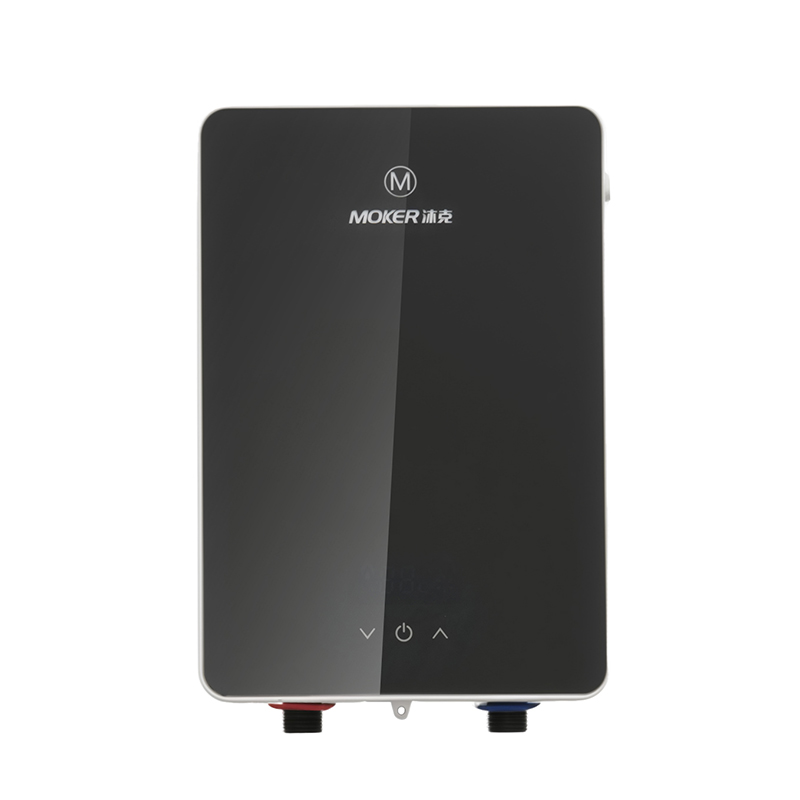
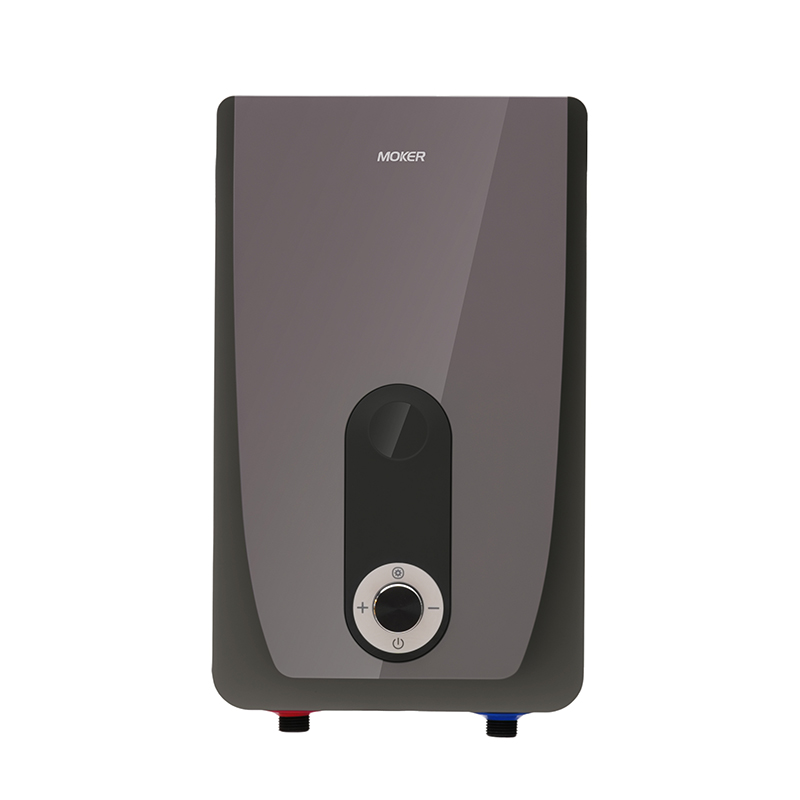
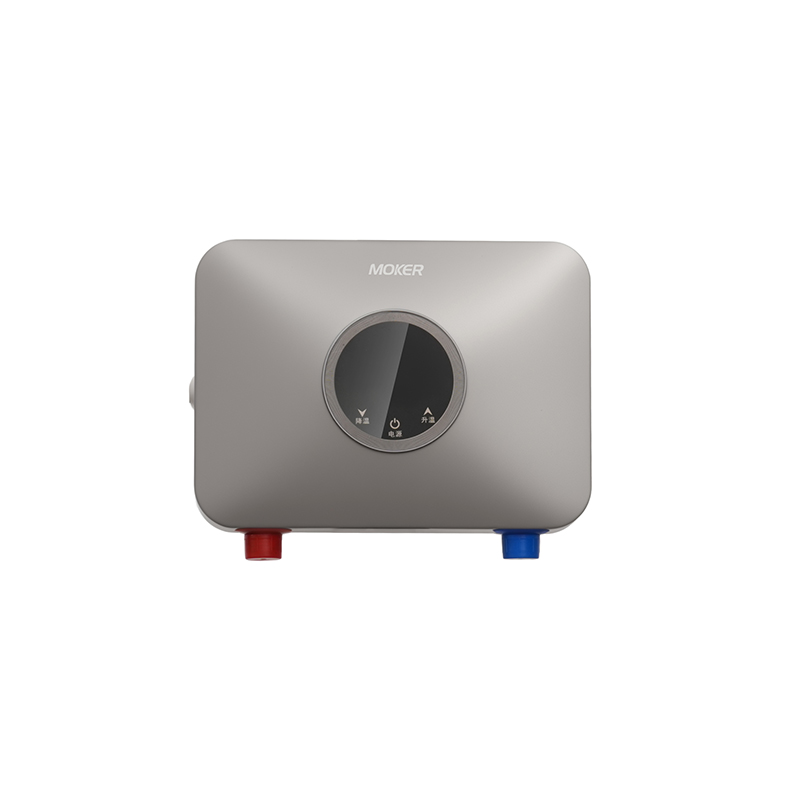
instantaneous Water Heater electric is engineered for emergency resilience, with a palm-sized, cordless or corded design that operates independently of fixed plumbing or grid power. Cordless instantaneous Water Heater electric models use rechargeable lithium-ion batteries to power a ceramic micro-coil heating element, delivering Instantaneous Hot Water in 2–3 seconds for handwashing, first aid, or personal hygiene. For longer outages, corded instantaneous Water Heater electric units connect to portable generators or solar panels, ensuring continuous hot water access without relying on municipal power. The unit’s lightweight (1–3 pounds) and hose-connectable design allows instantaneous Water Heater electric to be deployed in emergency shelters, camping sites, or disaster zones, where Electric water heater or Tankless Water Heater cannot reach. Unlike Instant water heater, instantaneous Water Heater electric requires no preheating or storage, making it ready for use at a moment’s notice—critical for time-sensitive emergencies like post-storm cleanup or medical care. Instantaneous Hot Water integrated systems: Hybrid emergency preparedness
Integrated Instantaneous Hot Water systems, combining electric Tankless Water Heater and instantaneous Water Heater electric, offer layered emergency protection. The main electric Tankless Water Heater provides primary whole-house hot water during normal operation, while instantaneous Water Heater electric units act as a portable backup for outages or remote use. For example, during a power failure, the system automatically switches to instantaneous Water Heater electric units connected to a backup battery bank, ensuring hot water for critical tasks like food preparation or wound care. This hybrid approach leverages the high flow capacity of electric Tankless Water Heater and the portability of instantaneous Water Heater electric, eliminating the single-point failure risk of relying on Electric water heater alone.In emergency scenarios, hot water resilience is non-negotiable, and instantaneous Water Heater electric fills a critical gap left by Electric water heater, Tankless Water Heater, and Instant water heater. By combining portability, battery power, and Instantaneous Hot Water delivery, instantaneous Water Heater electric ensures users maintain access to safe, comfortable hot water—even when the grid fails. For households and emergency response teams, integrating instantaneous Water Heater electric into backup plans transforms uncertainty into preparedness, proving that the smallest water heater can make the biggest difference in a crisis.