

Heating Speed and Hot Water Supply Response Efficiency of Different Water Heaters
Heating speed refers to the time taken for water heater to raise cold water to the set temperature (typically 120–140°F), while hot water supply response efficiency denotes the unit’s ability to quickly resume stable hot water output after interruptions (e.g., faucet shutdown and reactivation) or when demand changes. Fast heating speed and high response efficiency eliminate user waiting time and ensure consistent hot water access—key factors for user experience, especially in high-frequency use scenarios (e.g., morning rush hours, commercial facilities). Electric water heater, Tankless Water Heater, Instant water heater, Instantaneous Hot Water equipment, and Instantaneous Water Heater electric each have distinct performance traits, shaped by heating mechanisms, power output, and structural design.
Electric water heater: Storage-based heating with slow speed but stable response
Electric water heater’s heating speed depends on tank capacity and heating element power. A 50-gallon Electric water heater (4–6 kW power) takes 60–90 minutes to heat cold water (50°F) to 120°F, while a 80-gallon model requires 90–120 minutes. This slow speed stems from the need to heat the entire tank of water, making Electric water heater unsuitable for immediate hot water needs. However, Electric water heater’s response efficiency is excellent once heated: the stored hot water allows instant supply when taps are turned on, with no lag between shutdown and reactivation. Even after prolonged use, the tank’s residual hot water ensures consistent output until the stored supply is depleted. To optimize heating speed, high-end Electric water heater models use dual heating elements (upper and lower) that can operate simultaneously, reducing heating time by 20–30% compared to single-element models. Pairing Electric water heater with a smart timer to preheat during off-peak hours also mitigates the impact of slow heating speed on user experience.
Tankless Water Heater: On-demand heating with fast speed and real-time response
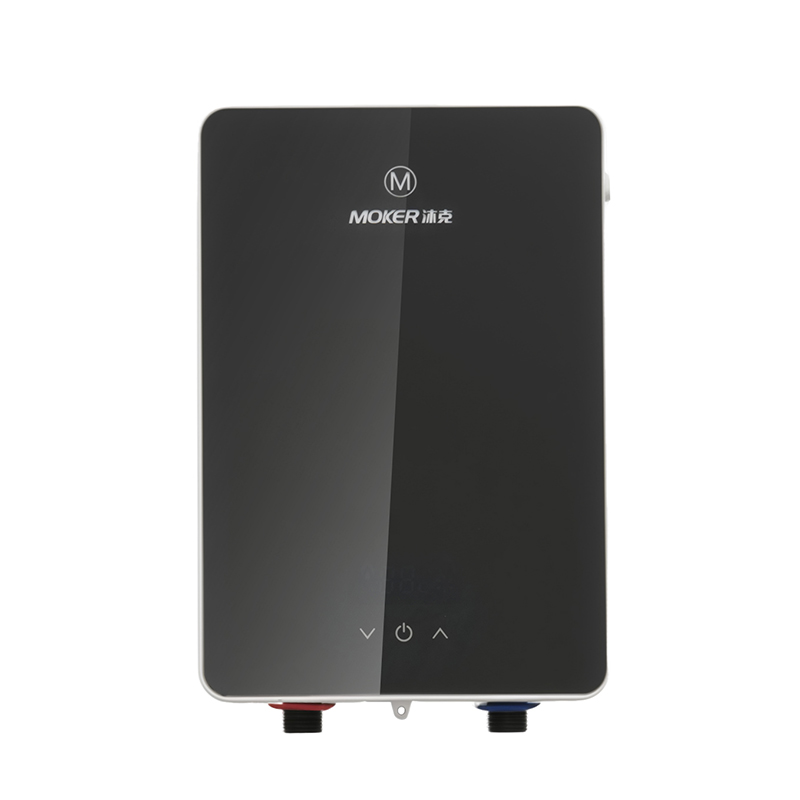
Tankless Water Heater’s core advantage lies in ultra-fast heating speed and instant response efficiency. gas Tankless Water Heater (80–120 kBtu heat input) heats cold water to 120°F in 2–5 seconds, while electric Tankless Water Heater (6–10 kW power) achieves the same in 3–7 seconds—far faster than Electric water heater. This speed comes from the on-demand heating design: water flows through the heat exchanger and is heated immediately, with no need to preheat a storage tank. Tankless Water Heater’s response efficiency is equally impressive: when taps are shut off and reactivated, the unit restarts heating within 0.5–1 second, maintaining consistent temperature without cold water gaps. For multiple simultaneous uses (e.g., shower + dishwashing), Tankless Water Heater adjusts heating power in real time to meet increased demand, avoiding temperature drops or supply interruptions. A key optimization is the “preheating circulation” function in premium models: Tankless Water Heater circulates water in pipes during standby, ensuring hot water reaches taps in 1 second or less—eliminating the slight lag from pipe cold water.
Instant water heater: Mini-tank heating with balanced speed and response
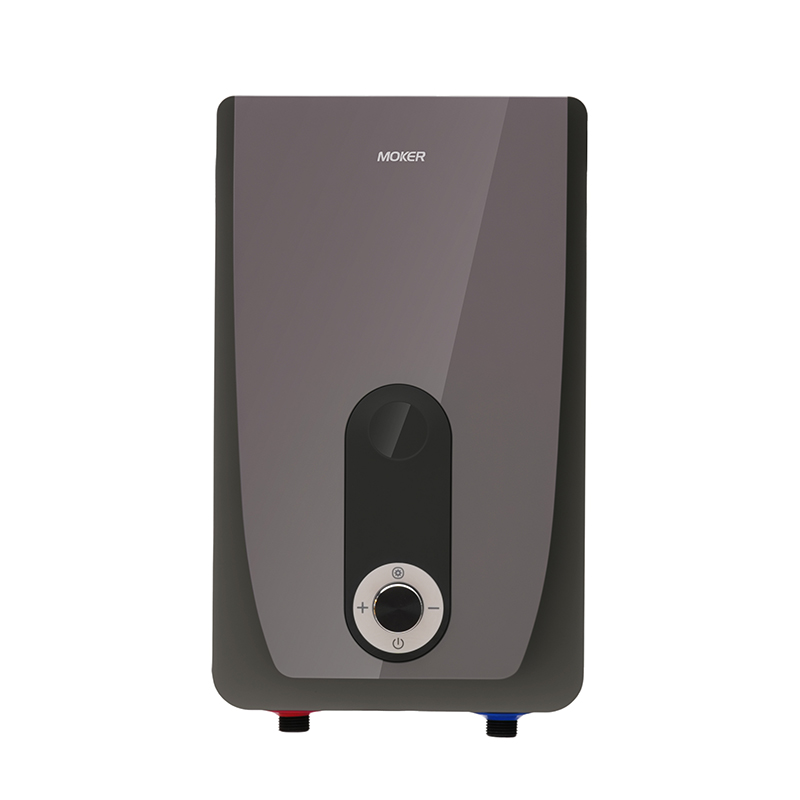
Instant water heater’s 1–3L mini tank strikes a balance between heating speed and storage convenience. A 2L Instant water heater (2–3 kW power) heats cold water to 120°F in 30–60 seconds—faster than Electric water heater but slower than Tankless Water Heater. This speed is sufficient for localized, low-frequency use (e.g., handwashing, small-space showers) where immediate hot water is needed but high flow rate is not required. Instant water heater’s response efficiency is strong: the mini tank stores preheated hot water, so taps receive hot water within 2–3 seconds of activation, with no cold water discharge. When the mini tank’s hot water is depleted, Instant water heater switches to on-demand heating, maintaining supply with a 5–10 second lag (shorter than Electric water heater’s reheat time). To enhance speed, some Instant water heater models use a “quick-heat coil” design that increases heating element density, cutting preheating time by 15–20%.
Instantaneous Water Heater electric: Portable heating with ultra-fast speed and flexible response
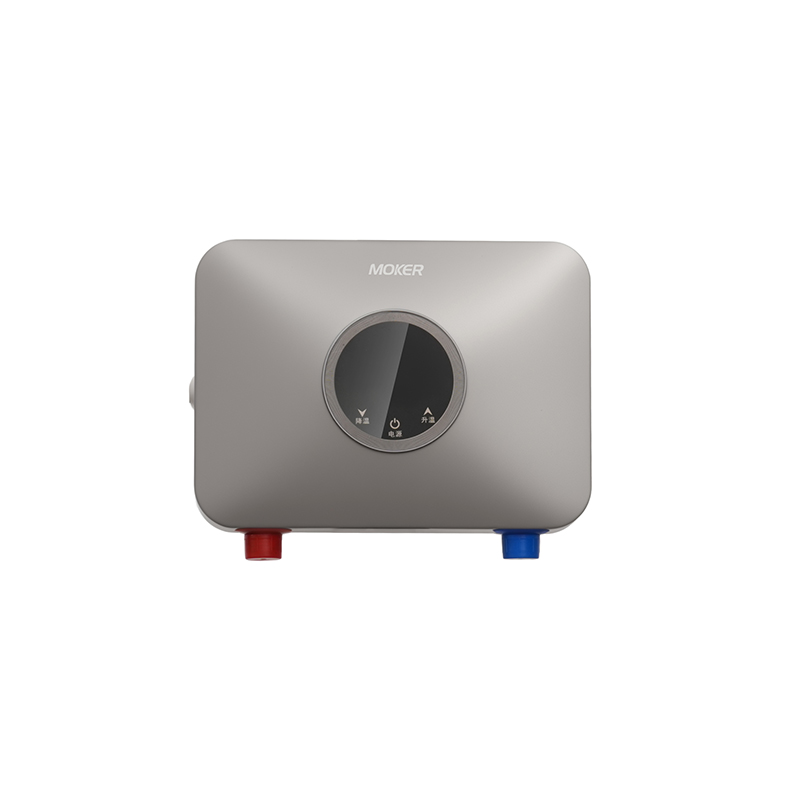
Instantaneous Water Heater electric’s compact size and high-power micro-coil design deliver ultra-fast heating speed, tailored for portable or temporary use. A 1–2 kW Instantaneous Water Heater electric heats cold water to 110°F in 2–4 seconds—matching or exceeding Tankless Water Heater’s speed. This performance is enabled by the micro-coil’s high heat transfer efficiency and direct water contact design, with no intermediate storage or long pipes to delay heating. Instantaneous Water Heater electric’s response efficiency is unmatched for small-scale use: the unit activates immediately when water flows through, and shuts off instantly when flow stops—no standby energy waste or supply lag. For outdoor or mobile scenarios (e.g., camping, construction sites), Instantaneous Water Heater electric’s ability to heat water from portable containers (e.g., buckets, tanks) with the same speed and response makes it far more flexible than Electric water heater or fixed Tankless Water Heater. A limiting factor is flow rate: Instantaneous Water Heater electric’s 0.5–1 GPM flow rate is lower than Tankless Water Heater, but sufficient for handwashing, pet grooming, or quick rinses.
Instantaneous Hot Water integrated systems: Hybrid speed and response optimization
Integrated Instantaneous Hot Water systems (combining electric Tankless Water Heater and Instantaneous Water Heater electric) leverage the strengths of each type to cover diverse needs. The main electric Tankless Water Heater (8–10 kW) provides fast heating (3–5 seconds) and high flow rate (3–5 GPM) for showers, bathtubs, and other high-demand areas. Instantaneous Water Heater electric units are installed at low-demand points (e.g., garage sinks, outdoor patios) to deliver ultra-fast, on-the-spot hot water without relying on the main system’s pipes (which can cause cold water lag). The system’s central controller prioritizes response efficiency: when multiple taps are activated, electric Tankless Water Heater adjusts power to maintain flow and temperature, while Instantaneous Water Heater electric handles small, sudden demands independently. This hybrid setup reduces overall household waiting time by 40–50% compared to using a single Electric water heater, and ensures consistent response across all use scenarios—from large-family showers to quick outdoor handwashing.
Heating speed and response efficiency are defined by water heater’s core design: Electric water heater offers stable response with slow speed; Tankless Water Heater excels at fast speed and real-time response; Instant water heater balances both for localized use; Instantaneous Water Heater electric delivers ultra-fast speed and flexible response for portable needs; Instantaneous Hot Water integrated systems optimize across scenarios. Choosing water heater aligned with usage frequency and demand intensity (e.g., Tankless Water Heater for busy families, Instantaneous Water Heater electric for outdoor enthusiasts) ensures minimal waiting time and maximum convenience, elevating the overall hot water use experience.