

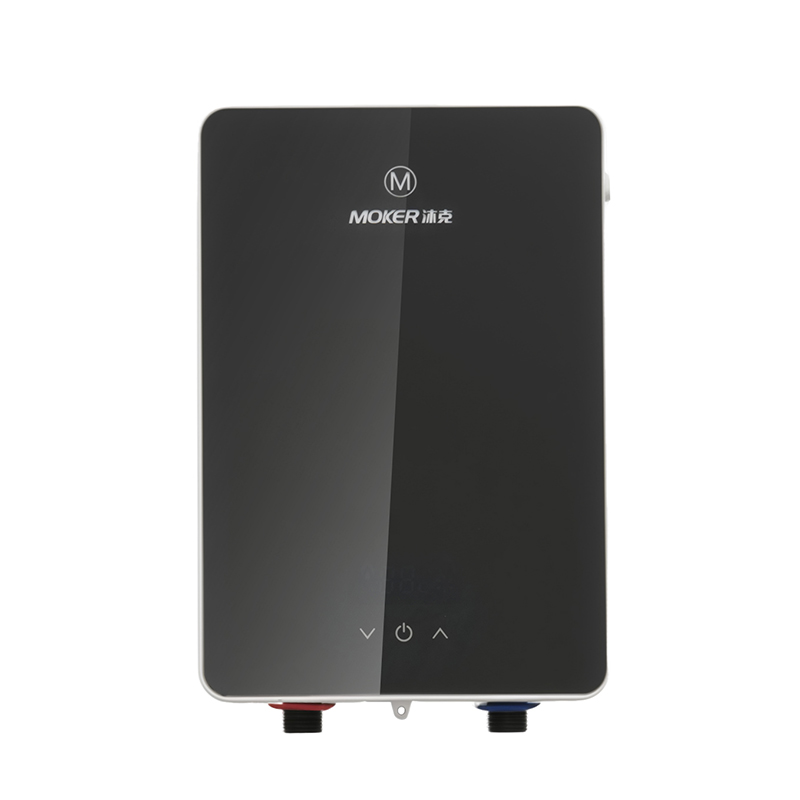
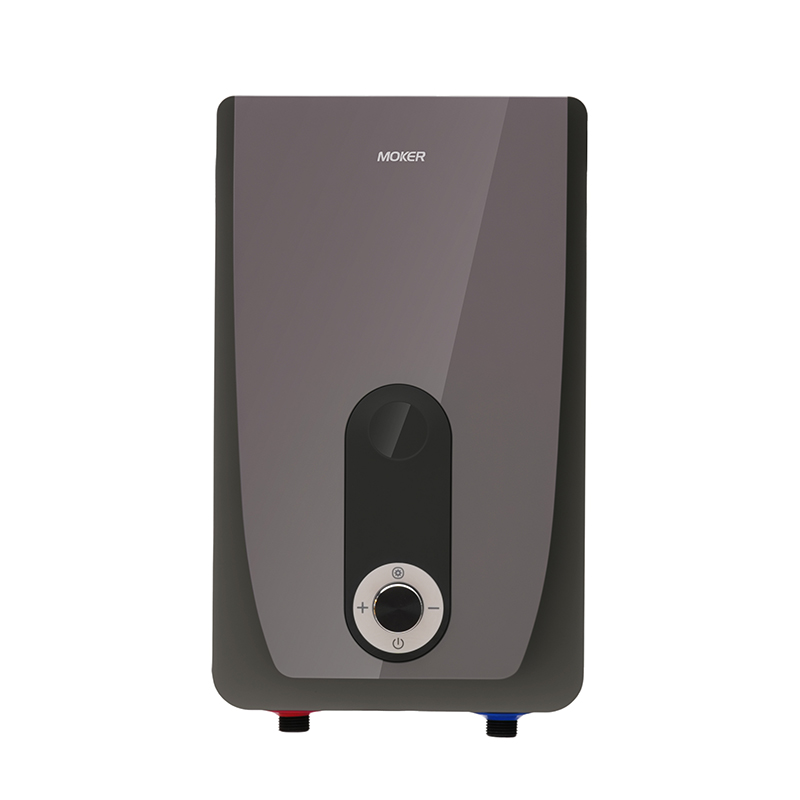
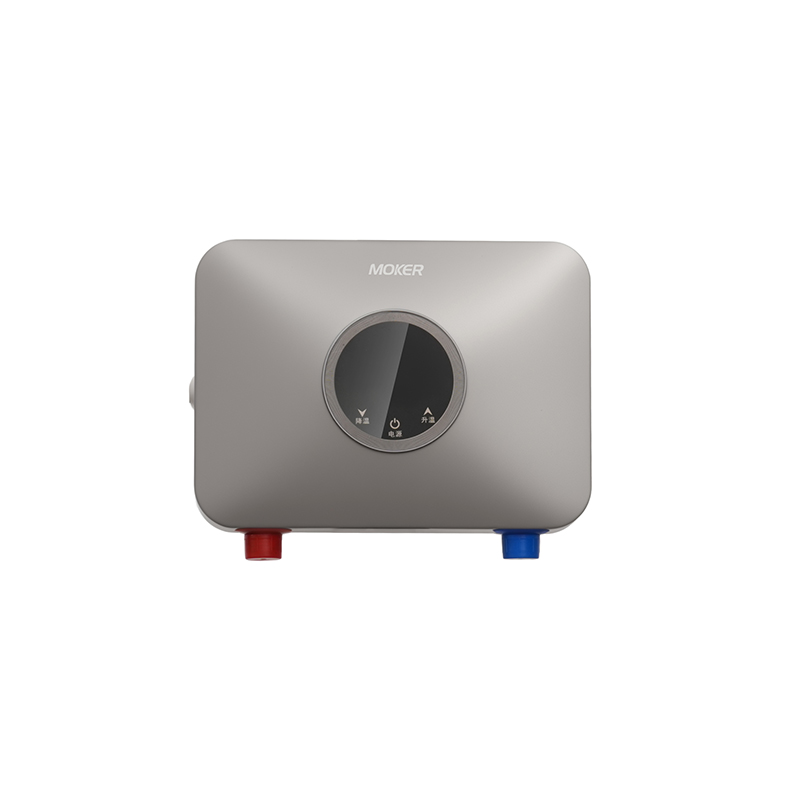
Impact of different temperature control technologies refers to how water heater’s temperature regulation methods (mechanical, electronic, smart thermostatic) affect the consistency of hot water temperature (avoiding sudden cold/hot fluctuations) and user comfort (precise temperature matching to needs). Poor temperature control leads to scald risks, discomfort during use, or energy waste from overheating. Electric water heater, Tankless Water Heater, Instant water heater, electric tankless water heater, and instantaneous water heater electric each have distinct traits, shaped by their heating principles and control system designs.
Electric water heater mainly adopts mechanical thermostat and electronic thermostat technologies. Mechanical thermostat (used in basic Electric water heater models) relies on a bimetallic strip to sense temperature—adjusting heating elements on/off when water temperature deviates from the set value (±3–5°F precision). Mechanical thermostat is durable (life 5–8 years) and low-cost, but has slow response speed (taking 2–3 minutes to adjust after temperature changes) and poor anti-interference (fluctuates with voltage shifts). Electronic thermostat (mid-to-high-end Electric water heater variants) uses a digital sensor and microprocessor—improving precision to ±1–2°F and cutting response time to 30–60 seconds. Electronic thermostat allows precise temperature setting (e.g., 122°F instead of vague “medium”) and pairs with timers for off-peak heating. However, electronic thermostat is sensitive to moisture; Electric water heater with this technology needs better waterproofing for bathroom installation.
Tankless Water Heater leverages flow-based electronic control and smart thermostatic technology. Flow-based electronic control (gas and electric Tankless Water Heater basic models) synchronizes water flow rate and heating power—adjusting gas supply (for gas models) or electric current (for electric models) in real time to maintain set temperature. This technology handles small flow changes (e.g., faucet adjustment) well, with ±2°F precision, but struggles with sudden large flow increases (e.g., simultaneous shower and dishwashing)—temperature may drop by 5–8°F temporarily. Smart thermostatic technology (premium Tankless Water Heater models) adds a mixing valve and multiple sensors—monitoring inlet/outlet temperature and flow rate simultaneously, with precision up to ±0.5°F. Smart thermostatic Tankless Water Heater maintains stable temperature even with extreme flow changes, and some models support app-based temperature preset (e.g., 38°F for infant bathing). However, this technology increases Tankless Water Heater cost by 25–30%.
Instant water heater uses mini electronic thermostat and mechanical temperature-sensitive switch technologies. Mini electronic thermostat (most Instant water heater models) is compact to fit the unit’s small size—providing ±2–3°F precision and supporting quick heating control (matches Instant water heater’s 30-second heating speed). Mini electronic thermostat has simple digital displays (1–5 levels or direct temperature numbers) for easy adjustment, but has limited power (cannot handle heating element overload). Mechanical temperature-sensitive switch (low-cost Instant water heater variants) is a safety-focused supplement—automatically shutting off heating if temperature exceeds 140°F (scald prevention). This switch is fail-safe but lacks precise adjustment; Instant water heater with only this technology can only set rough temperature ranges (hot/warm/cold).
electric tankless water heater combines variable-power electronic control and proportional-integral-derivative (PID) control technologies. Variable-power electronic control adjusts heating module output (from 30% to 100% power) based on demand—avoiding temperature spikes when flow rate decreases. This technology gives electric tankless water heater ±1.5°F precision and smooth temperature transitions (no sudden jumps when turning on taps). PID control (high-end electric tankless water heater models) uses algorithmic calculations to predict temperature changes—adjusting power 0.5 seconds in advance of flow/voltage shifts, maintaining stability within ±1°F. PID control is ideal for regions with unstable voltage or water pressure, but requires regular software updates (via USB or app) to maintain accuracy. electric tankless water heater’s dual-control system balances responsiveness and stability, suitable for families prioritizing consistent hot water.
instantaneous water heater electric adopts micro-electronic control and thermal fuse protection technologies. Micro-electronic control (standard in instantaneous water heater electric models) is ultra-compact to fit the palm-sized unit—sensing temperature via a tiny thermistor and adjusting micro-coil power. This technology has ±3–4°F precision and fast response (1–2 seconds) to match instantaneous water heater electric’s 3–5 second heating speed. However, micro-electronic control is prone to drift (loses precision by 1–2°F after 6–12 months of use) and needs calibration. Thermal fuse protection is a safety backup—melting to cut power if temperature exceeds 150°F, preventing scalds. This protection is non-resettable; instantaneous water heater electric requires fuse replacement after activation, adding maintenance hassle. instantaneous water heater electric’s technology prioritizes speed over precision, suitable for temporary use (e.g., handwashing) rather than long showers.
Temperature control technology directly determines user comfort: Electric water heater balances cost and precision; Tankless Water Heater excels in stable flow adaptation; Instant water heater fits compact design needs; electric tankless water heater offers high precision with PID control; instantaneous water heater electric focuses on quick response for temporary use. Choosing water heater with matching technology to usage scenarios (e.g., smart thermostatic for families with infants, mechanical for basic needs) ensures safe, comfortable, and efficient hot water supply.