

Installation Space Requirements and Space Optimization Solutions of Different Water Heaters
Installation space requirements refer to the minimum spatial dimensions (length, width, height), environmental conditions (ventilation, waterproofing), and safety clearances (distance from flammables, walls) needed for water heater’s stable and safe operation. Space optimization solutions involve structural adjustments, installation position selection, or auxiliary tools to fit water heater into limited or irregular spaces—critical for compact homes, old buildings, or rooms with complex layouts. Improper space planning leads to installation difficulties, safety hazards, or reduced equipment performance. Electric water heater, Tankless Water Heater, Instant water heater, Instantaneous Hot Water equipment, and Instantaneous Water Heater electric each have distinct spatial traits, shaped by size, structure, and operating requirements.
Electric water heater: Large vertical space demand with concealment optimization
Electric water heater’s cylindrical tank design requires significant vertical space: a 50-gallon model (height 50–60 inches, diameter 20–24 inches) needs a floor area of 3–4 square feet and a vertical clearance of 70–80 inches (to avoid ceiling interference during maintenance). Electric water heater must be installed on a flat, load-bearing floor (capable of supporting 400–600 pounds when full of water) and requires 6–12 inches of clearance from walls for heat dissipation and access. Space optimization for Electric water heater focuses on concealment: embed the unit in a built-in closet (with louvered doors for ventilation) or install it in unused spaces (e.g., basement corners, laundry room alcoves). For homes with low ceilings, choose short-wide Electric water heater models (height 40–45 inches, diameter 26–28 inches) that reduce vertical space demand by 20–25%. Avoid installing Electric water heater in living areas or bedrooms due to size and potential leakage risks—use a false wall with access panels if no other space is available.
Tankless Water Heater: Slim wall-mounted design with flexible space adaptation
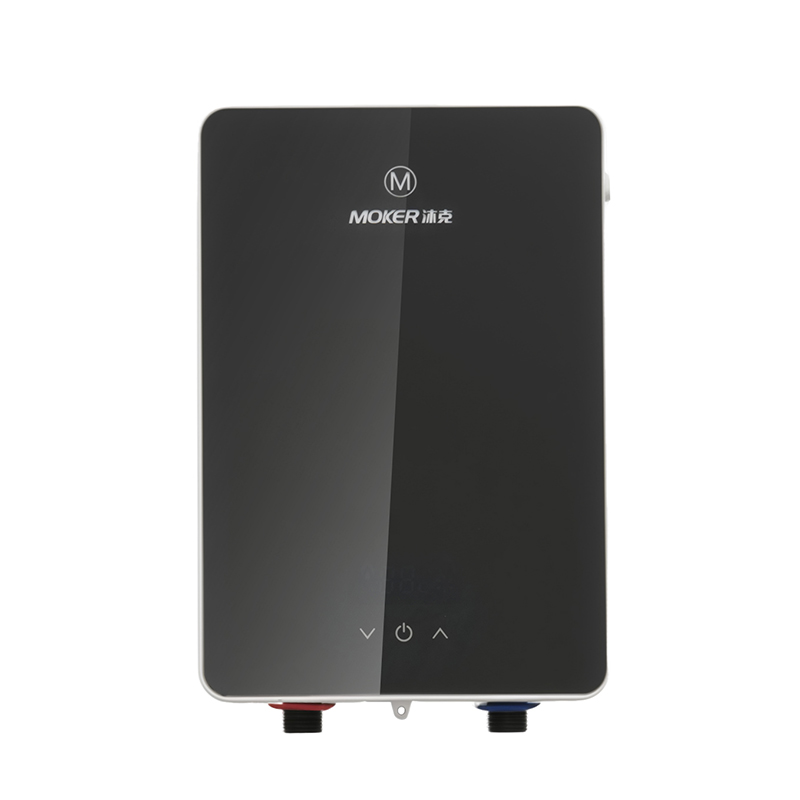
Tankless Water Heater’s compact, flat structure (depth 5–8 inches, width 20–30 inches, height 30–40 inches) requires only 1–2 square feet of wall space, making it ideal for space-constrained environments. Electric Tankless Water Heater and gas Tankless Water Heater both support wall-mounted installation, with 3–6 inches of clearance from walls (for ventilation) and 12–18 inches from flammable materials (e.g., curtains, wooden cabinets). Space optimization for Tankless Water Heater includes: installing the unit at eye level or above sinks/showers (utilizing vertical wall space), choosing recessed mounting boxes (reducing protrusion by 50%) for minimalist interiors, or mounting multiple units side-by-side (for large households) to save horizontal space. gas Tankless Water Heater requires additional ventilation space (a 4-inch diameter vent pipe) but can be vented through walls (instead of roofs), avoiding attic or ceiling space usage. For small bathrooms, select ultra-slim Tankless Water Heater models (depth 4–5 inches) that fit between wall studs, further reducing space occupation.
Instant water heater: Miniature size with under-sink or countertop optimization
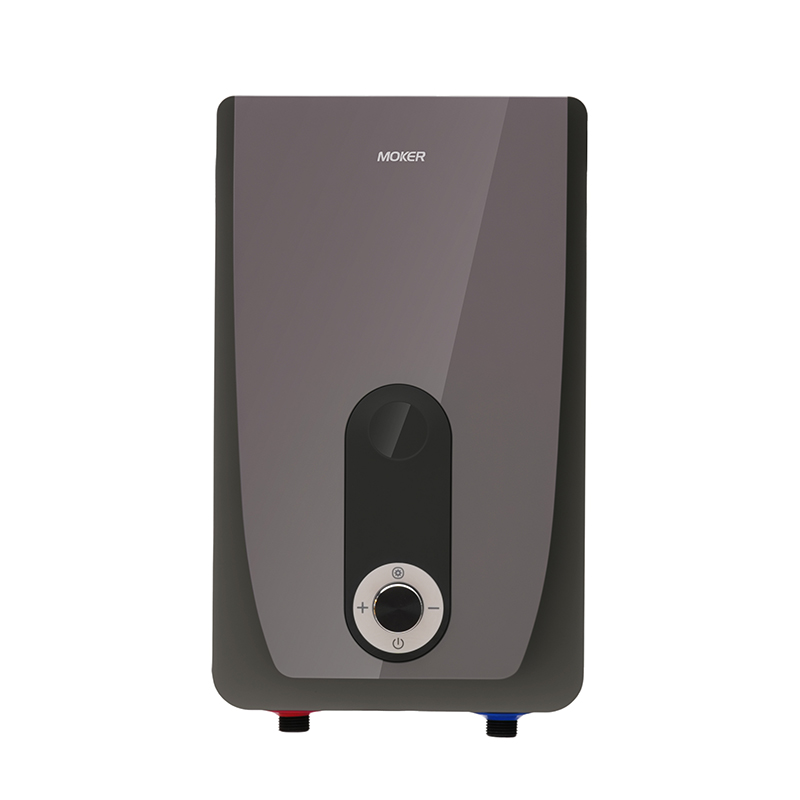
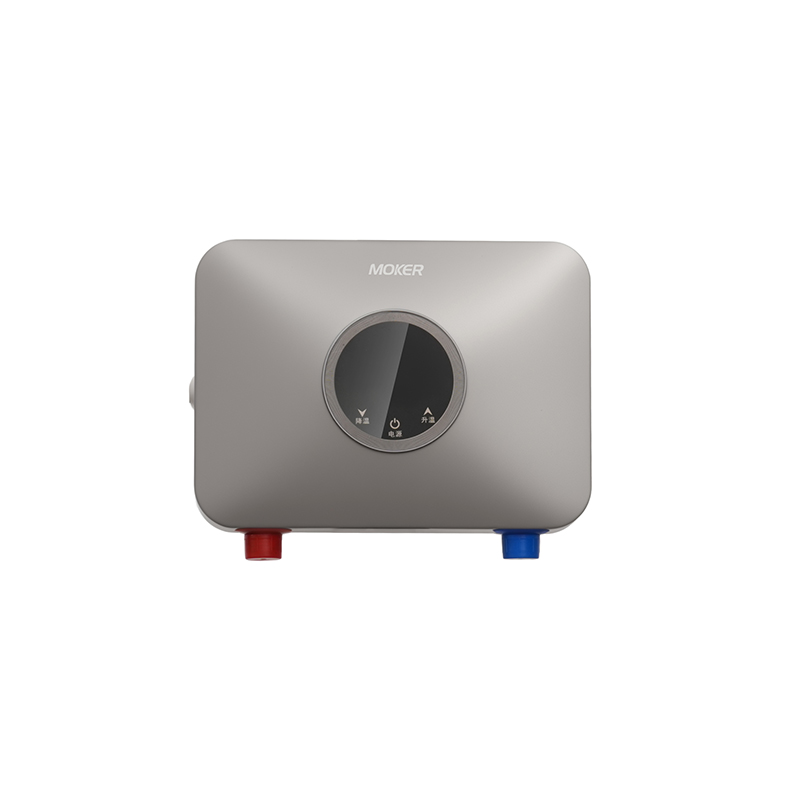
Instant water heater’s compact design (height 8–12 inches, width 6–10 inches, depth 4–6 inches) requires minimal space—only 0.5–1 square foot of area, making it suitable for under-sink cabinets, bathroom countertops, or small utility nooks. Instant water heater can be installed vertically or horizontally, with no minimum vertical clearance (except for 2–3 inches of space around the unit for ventilation). Space optimization for Instant water heater involves: tucking the unit under kitchen or bathroom sinks (utilizing unused cabinet space), mounting it on the side of vanities (instead of taking countertop area), or choosing cordless Instant water heater models that eliminate power cord clutter. For tiny homes or RVs, Instant water heater’s lightweight (5–10 pounds) and small size allow installation in narrow spaces (e.g., between cabinet shelves) that cannot accommodate Electric water heater or Tankless Water Heater. The unit’s proximity to water outlets also reduces pipe length, saving additional space.
Instantaneous Water Heater electric: Palm-sized portability with zero fixed space demand
Instantaneous Water Heater electric’s ultra-compact design (length 6–10 inches, width 3–5 inches, depth 2–4 inches) requires no fixed installation space—weighing only 1–3 pounds, the unit can be stored in drawers, cabinets, or toolboxes when not in use. When in operation, Instantaneous Water Heater electric only needs to be placed on a flat surface (e.g., bathroom countertop, outdoor table) near a water source and power outlet, with 1–2 inches of clearance for heat dissipation. Space optimization for Instantaneous Water Heater electric is inherent to its portability: the unit can be moved between spaces as needed (e.g., from kitchen to bathroom) without permanent installation, eliminating the need to reserve dedicated space. For temporary living situations (e.g., rental apartments, camping) where modifying walls or floors is not allowed, Instantaneous Water Heater electric’s “plug-and-use” design avoids space constraints entirely—no other water heater type offers this level of spatial flexibility.
Instantaneous Hot Water integrated systems: Multi-unit space-sharing optimization
Integrated Instantaneous Hot Water systems (combining electric Tankless Water Heater and Instant water heater) optimize space by sharing installation areas and reducing redundancy. The main electric Tankless Water Heater is installed in a central location (e.g., utility room) with sufficient ventilation, while Instant water heater units are placed locally at low-demand points—avoiding the need for multiple large water heaters. Space-saving measures include: mounting electric Tankless Water Heater and Instant water heater on adjacent walls (sharing pipe connections and reducing installation footprint), using stackable mounting brackets for Instant water heater units (saving horizontal space in small utility rooms), and integrating the system’s control panel into the electric Tankless Water Heater’s housing (eliminating extra space for separate controllers). This setup reduces total installation space by 30–40% compared to installing separate full-sized water heaters for each demand point, making it ideal for multi-story homes or apartments with limited utility space.
Installation space adaptation depends on water heater’s size and design: Electric water heater relies on concealment in large unused spaces; Tankless Water Heater leverages slim wall-mounted designs; Instant water heater fits into under-sink or countertop gaps; Instantaneous Water Heater electric requires no fixed space; Instantaneous Hot Water integrated systems share space for multi-unit setups. Proper space planning not only ensures safe and stable operation of water heater but also maximizes usable living space, making it essential for households with limited square footage or complex layouts.