

Operating Cost Composition and Long-Term Economic Analysis of Different Water Heaters
Operating cost composition refers to the sum of energy consumption costs (electricity/gas), maintenance fees, and replacement-related expenses during water heater’s service life, while long-term economic analysis evaluates total cost of ownership (initial purchase price + cumulative operating costs) over 8–12 years (average service life of water heater). For households, long-term economics often outweigh initial purchase price, as irrational choices may lead to excessive cumulative expenses. Electric water heater, Tankless Water Heater, Instant water heater, Instantaneous Hot Water equipment, and Instantaneous Water Heater electric each have distinct economic traits, shaped by energy efficiency, maintenance requirements, and service life.
Electric water heater: Low initial cost but high long-term energy expenses
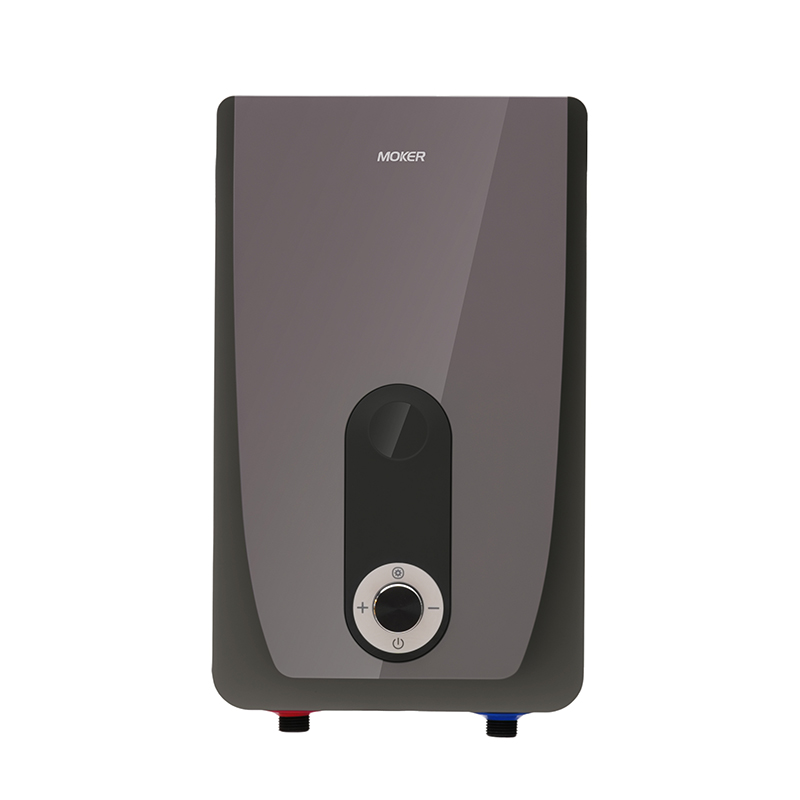
Electric water heater’s initial purchase price ( \(300–\)800) is among the lowest of all water heater types, making it a budget-friendly choice for immediate needs. However, Electric water heater’s energy consumption cost is high: a 50-gallon Electric water heater (4.5 kW power) consumes 30–40 kWh per week for a family of 3, translating to \(400–\)600 annual electricity bills (varies by regional electricity rates). Maintenance costs for Electric water heater are moderate: anode rod replacement (\(20–\)50 every 2–3 years), sediment cleaning (\(100–\)150 every 3–4 years), and occasional heating element replacement (\(150–\)200 every 5–6 years)—cumulative maintenance fees reach \(500–\)800 over 10 years. Total cost of ownership for Electric water heater over 10 years is \(1,200–\)2,200, with energy costs accounting for 60–70% of the total—making it less economical in the long run despite low upfront investment.
Tankless Water Heater: High initial cost but low operating expenses
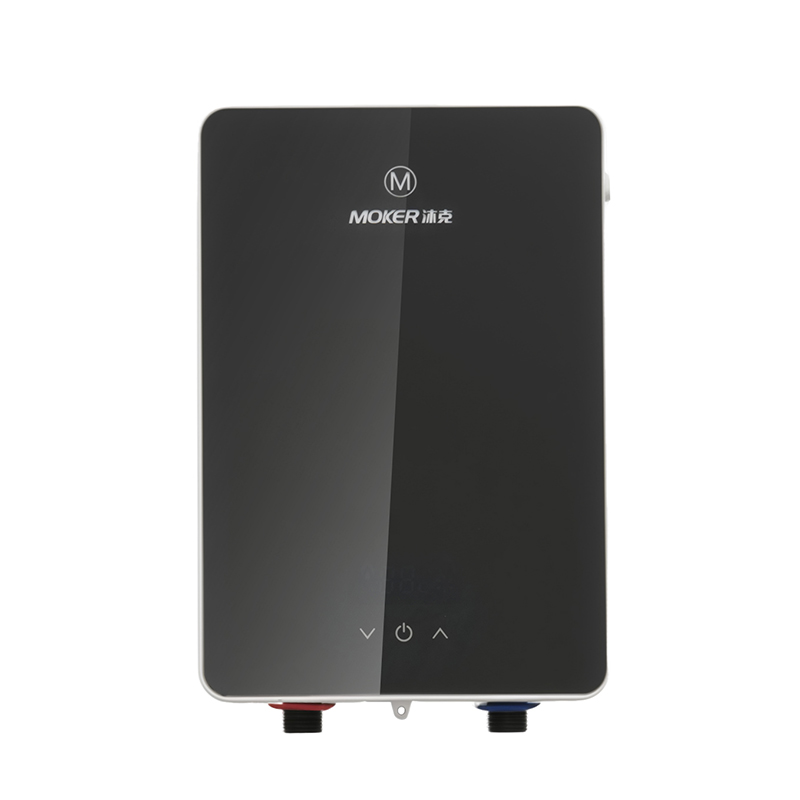
Tankless Water Heater’s initial purchase price (\(800–\)2,000) is 2–3 times higher than Electric water heater, due to advanced heating technology and structural design. However, Tankless Water Heater’s energy efficiency (85–98% AFUE rating) reduces operating costs significantly: gas Tankless Water Heater consumes 100–150 therms of gas per year ( \(150–\)250 annual gas bills), while electric Tankless Water Heater uses 20–30 kWh per week ( \(300–\)450 annual electricity bills)—30–40% lower than Electric water heater. Maintenance costs for Tankless Water Heater are low: annual descaling (\(80–\)120), filter replacement (\(10–\)20 every year), and occasional flow sensor maintenance (\(100–\)150 every 6–8 years)—cumulative maintenance fees are \(300–\)500 over 10 years. Total cost of ownership for Tankless Water Heater over 10 years is \(1,250–\)2,750, but its longer service life (12–15 years vs. 8–10 years for Electric water heater) lowers annualized cost by 15–20%, making it more economical for long-term use.
Instant water heater: Moderate initial and operating costs for localized use
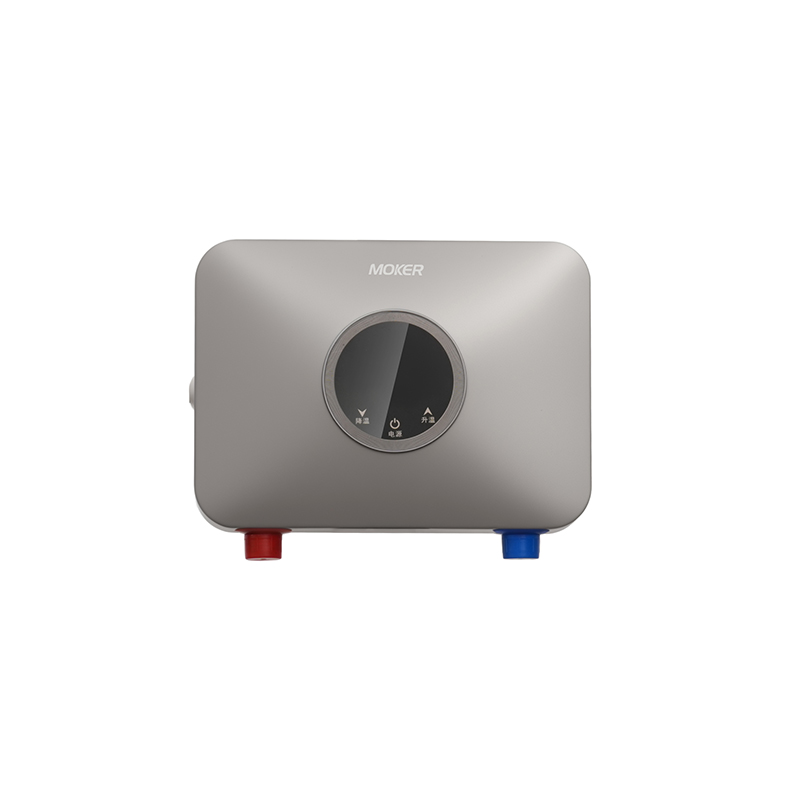
Instant water heater’s initial purchase price (\(200–\)500) is lower than Tankless Water Heater and comparable to entry-level Electric water heater. Operating costs for Instant water heater are moderate: a 2.5 kW Instant water heater consumes 5–8 kWh per week for under-sink use, translating to \(80–\)130 annual electricity bills—far lower than full-sized Electric water heater. Maintenance costs for Instant water heater are minimal: inlet filter cleaning/replacement (\(5–\)15 every 6 months), and heating element replacement (\(80–\)120 every 5–7 years)—cumulative maintenance fees are \(200–\)300 over 10 years. Total cost of ownership for Instant water heater over 10 years is \(480–\)930, making it the most economical choice for localized, low-demand scenarios (e.g., single-person households, kitchen handwashing). However, Instant water heater’s low output (1–1.5 GPM) means multiple units are needed for whole-house use, increasing total investment and reducing overall economics.
Instantaneous Water Heater electric: Ultra-low initial and operating costs for flexible use
Instantaneous Water Heater electric’s initial purchase price (\(100–\)300) is the lowest among all water heater types, due to its compact, simplified design. Operating costs are equally low: a 1.5 kW Instantaneous Water Heater electric consumes 2–4 kWh per week for temporary use (e.g., outdoor handwashing, camping), with annual electricity bills of \(30–\)60—70–80% lower than Electric water heater. Maintenance costs for Instantaneous Water Heater electric are negligible: micro-filter replacement (\(3–\)10 every 3–6 months), and no frequent component replacement (micro-coil service life is 3–5 years, with replacement cost of \(50–\)80)—cumulative maintenance fees are \(100–\)200 over 8 years (average service life). Total cost of ownership for Instantaneous Water Heater electric over 8 years is \(230–\)560, making it ideal for temporary, low-demand use or as a backup device. However, Instantaneous Water Heater electric’s low flow rate (0.5–1 GPM) and power limit it to non-primary use, so it cannot replace full-sized water heaters for daily household needs.
Instantaneous Hot Water integrated systems: Balanced long-term economics for whole-house use
Integrated Instantaneous Hot Water systems (combining electric Tankless Water Heater and Instant water heater) have a higher initial purchase price (\(1,200–\)2,500) but optimized long-term economics. The system’s electric Tankless Water Heater handles high-demand scenarios (showers, bathtubs) with low energy consumption, while Instant water heater units cover low-demand points (kitchen sinks, bathroom vanities) with minimal operating costs—total annual energy bills are \(350–\)500, 20–30% lower than using a single Electric water heater. Maintenance costs are moderate: cumulative fees for both unit types are \(400–\)700 over 10 years. Total cost of ownership for the integrated system over 10 years is \(1,950–\)3,700, but its ability to meet diverse demand without overcapacity waste improves energy efficiency by 15–25% compared to single-unit setups. For large families or multi-functional homes, the integrated system’s balanced performance and long-term economics outweigh the higher initial investment.
Long-term economic performance is determined by water heater’s energy efficiency and usage scenario: Electric water heater suits short-term budget needs; Tankless Water Heater is optimal for long-term whole-house use; Instant water heater excels at localized economy; Instantaneous Water Heater electric is ideal for temporary low-cost use; Instantaneous Hot Water integrated systems balance performance and economics for diverse needs. Considering total cost of ownership instead of just initial price helps households make rational choices, ensuring both immediate affordability and long-term cost savings.