

Load Adaptation Capability of Different Water Heaters for Multi-User Simultaneous Use
Load adaptation capability for multi-user simultaneous use refers to the ability of water heater to maintain stable hot water temperature (±2°F) and sufficient flow rate when multiple taps, showers, or appliances draw hot water at the same time. This capability is critical for scenarios like large families, shared apartments, or small commercial spaces (e.g., bed-and-breakfasts), where 2–5 users may require hot water concurrently. Poor load adaptation leads to temperature drops, weak water flow, or interrupted supply, undermining user experience. Electric water heater, Tankless Water Heater, Instant water heater, Instantaneous Hot Water equipment, and Instantaneous Water Heater electric each have distinct load-handling traits, shaped by heating output, storage capacity, and flow control technology.
Electric water heater: Storage-based load balancing for limited concurrent use
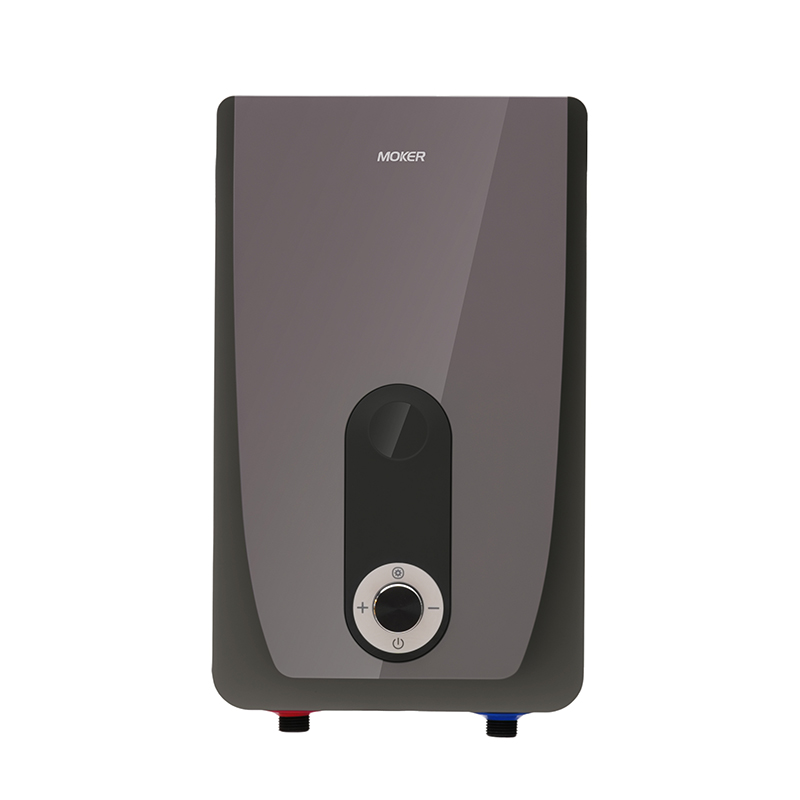
Residential Electric water heater relies on pre-stored hot water to handle multi-user demand, with load adaptation limited by tank capacity. A 50-gallon Electric water heater (4–6 kW) can supply 2–3 simultaneous showers (2.5 GPM each) for 10–15 minutes before hot water is depleted, with temperature remaining stable at 120–130°F. Once stored hot water is used up, Electric water heater requires 60–90 minutes to reheat, leaving subsequent users with cold water. Commercial Electric water heater (100–150 gallons, 9–12 kW) expands load capacity to 4–5 simultaneous users, with reinforced heating elements and faster recovery rates (40–50 gallons per hour). Optimization for multi-user scenarios includes installing a recirculation pump to reduce cold water lag between taps, and setting a higher thermostat (140°F) paired with mixing valves to extend usable hot water volume by 20–25%. However, Electric water heater’s load adaptation is inherently limited by storage—peak demand exceeding tank capacity results in unavoidable supply gaps.
Tankless Water Heater: On-demand load modulation for continuous multi-user supply
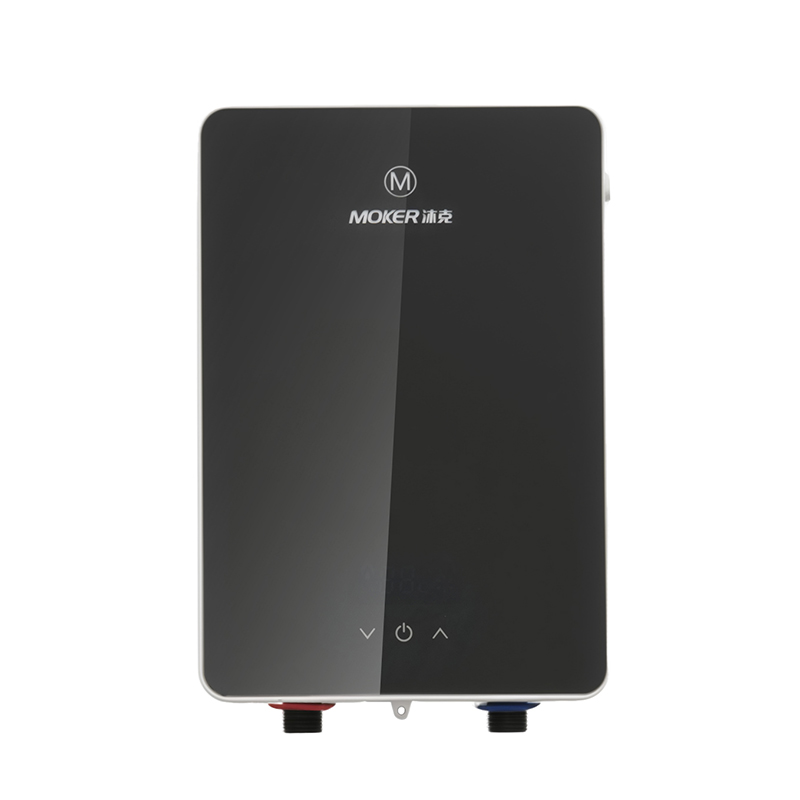
Tankless Water Heater’s core advantage in multi-user scenarios lies in infinite hot water supply via real-time load modulation. Gas Tankless Water Heater (120–180 kBtu) supports 3–5 simultaneous uses (e.g., 2 showers + 1 kitchen faucet + 1 washing machine) with flow rates of 8–12 GPM, maintaining temperature stability within ±1°F. Electric Tankless Water Heater (9–12 kW) handles 2–3 concurrent users (4–6 GPM), with power modulation (30–100%) adjusting to total water flow. Premium Tankless Water Heater models feature “multi-point detection” technology, identifying all active taps and distributing heating power evenly to avoid temperature drops. For large commercial spaces (e.g., small hotels), multiple Tankless Water Heater units are installed in parallel, with a central controller balancing load—activating additional units when demand exceeds 12 GPM. A key limitation is minimum flow rate: Tankless Water Heater may shut off if individual taps draw less than 0.5 GPM, requiring low-flow faucets to maintain multi-user operation.
Instant water heater: Localized load adaptation for small-scale concurrent use
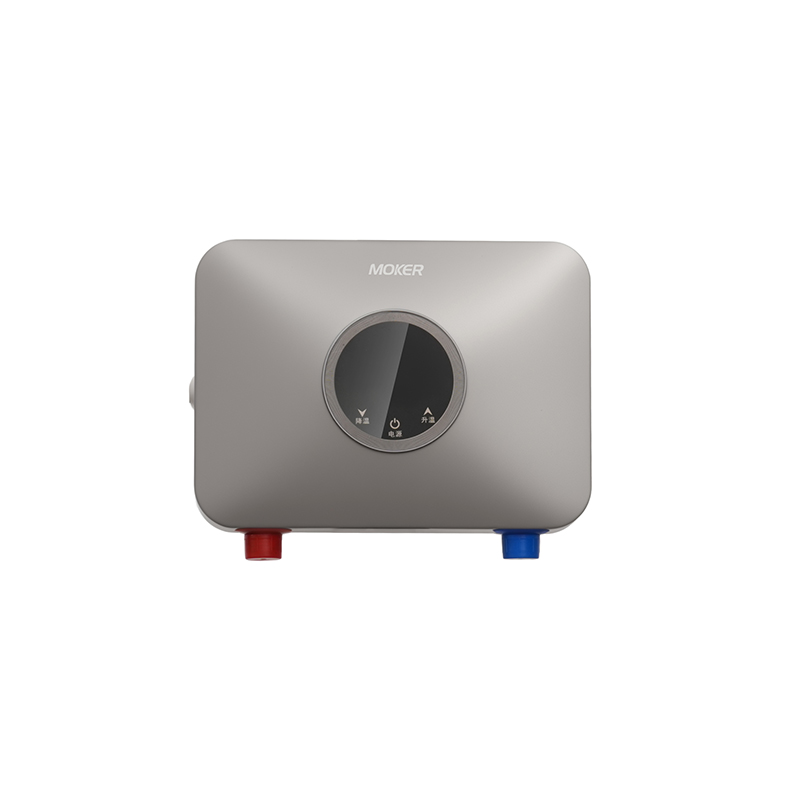
Instant water heater’s 1–3L mini tank and 2–3 kW power limit load adaptation to 1–2 simultaneous users (1–2 GPM total), making it suitable for under-sink kitchen use (dishwashing + handwashing) or small bathrooms (shower + vanity tap). Instant water heater’s quick recovery time (30–60 seconds) allows sequential multi-user use, but concurrent demand beyond 2 GPM causes temperature drops of 5–8°F. Commercial Instant water heater (4–5L tank, 3–4 kW) expands to 2–3 simultaneous users (2–3 GPM), with enhanced heating elements and thicker insulation to maintain temperature. Optimization for multi-user scenarios includes installing flow restrictors on taps to keep total flow within Instant water heater’s capacity, and grouping units near high-demand areas (e.g., two Instant water heater units for a restaurant kitchen with three sinks). Unlike Electric water heater, Instant water heater cannot support whole-house multi-user demand, but excels at localized load balancing without occupying excessive space.
Instantaneous Water Heater electric: Portable load distribution for temporary multi-user needs
Instantaneous Water Heater electric’s ultra-compact design and 1–2 kW power restrict individual load capacity to 1 user (0.5–1 GPM), but multi-unit deployment enables load distribution for 2–3 simultaneous users. For outdoor events (e.g., camping trips, construction sites), 2–3 Instantaneous Water Heater electric units are connected to a shared portable water tank and generator, each serving a separate tap (shower, handwashing station). Cordless Instantaneous Water Heater electric models (with rechargeable batteries) offer flexible placement, avoiding wiring constraints when scaling for multi-user use. Load adaptation optimization includes matching generator output to total power demand (3–6 kW for 2–3 units) and using low-flow attachments to extend hot water supply. Instantaneous Water Heater electric’s portability makes it unique for temporary multi-user scenarios, but its low individual load capacity limits long-term use in permanent settings compared to Tankless Water Heater.
Instantaneous Hot Water integrated systems: Hybrid load management for whole-house multi-user demand
Integrated Instantaneous Hot Water systems (combining electric Tankless Water Heater and Instant water heater) deliver comprehensive load adaptation for whole-house multi-user needs (3–5 concurrent users). The central electric Tankless Water Heater (9–12 kW, 6–8 GPM) handles high-demand areas (showers, bathtubs), while Instant water heater units (2–3 kW each) cover low-flow concurrent use (kitchen + bathroom vanities). A central controller monitors total water flow, activating additional Instant water heater units when demand exceeds electric Tankless Water Heater’s capacity and redirecting flow to maintain temperature stability. For large families or small bed-and-breakfasts, the system scales to 5–6 simultaneous users by adding a second electric Tankless Water Heater unit in parallel. This hybrid design leverages electric Tankless Water Heater’s high flow capacity and Instant water heater’s localized load balancing, eliminating supply gaps during peak multi-user demand. The system’s smart load management reduces energy waste by 15–20% compared to oversized standalone Electric water heater or Tankless Water Heater units.
Load adaptation capability directly correlates to water heater’s design and deployment: Electric water heater uses storage for limited concurrent use; Tankless Water Heater modulates power for continuous multi-user supply; Instant water heater balances localized small-scale demand; Instantaneous Water Heater electric enables portable load distribution via multi-unit use; Instantaneous Hot Water integrated systems manage whole-house load with hybrid technology. Selecting water heater or system based on typical concurrent user count ensures stable supply, avoids energy waste, and meets the dynamic needs of multi-user environments—from small families to temporary commercial spaces.