

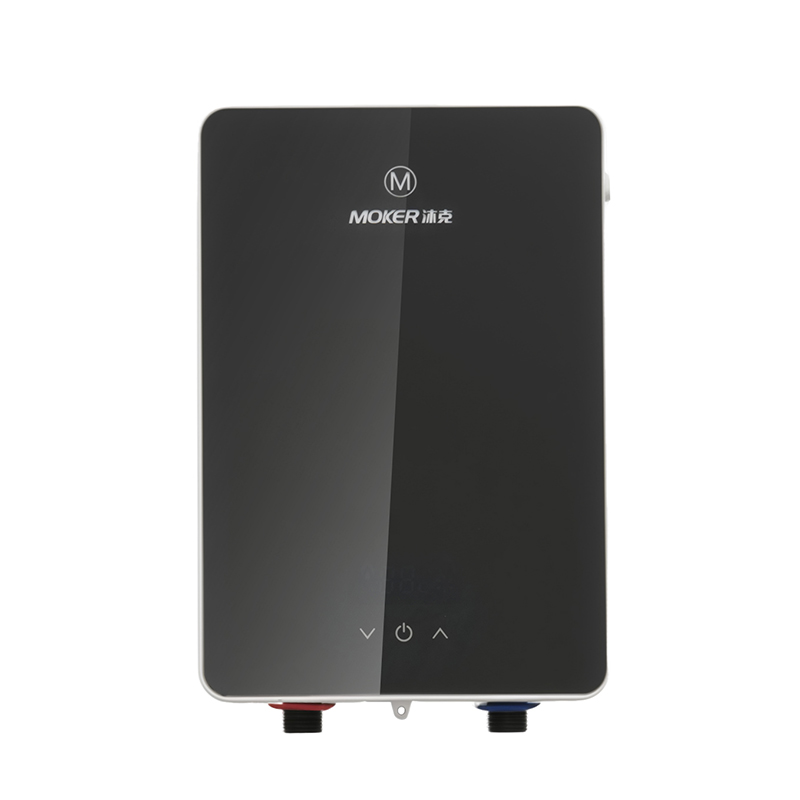
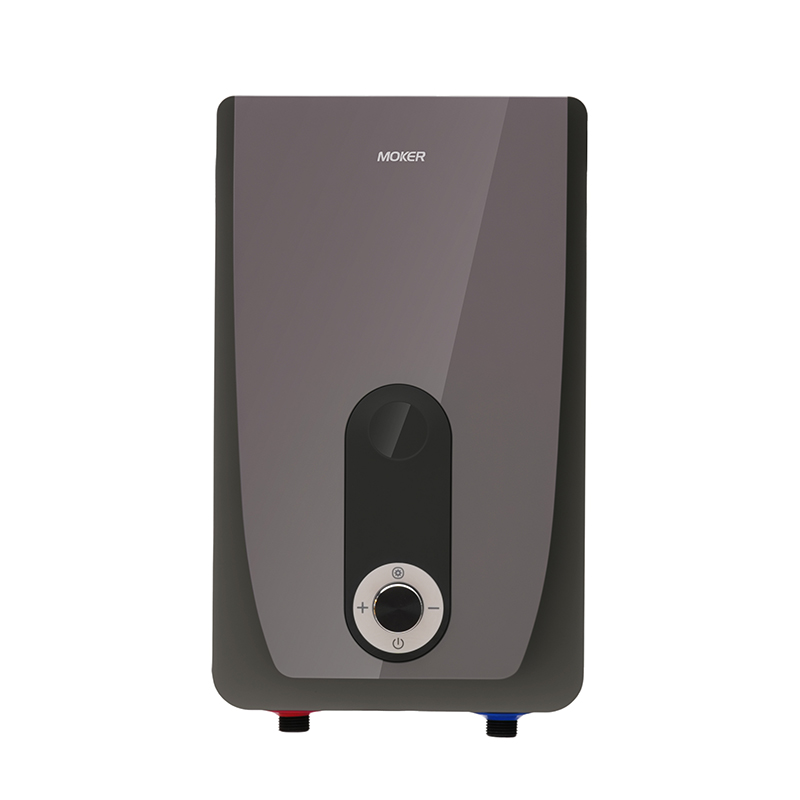
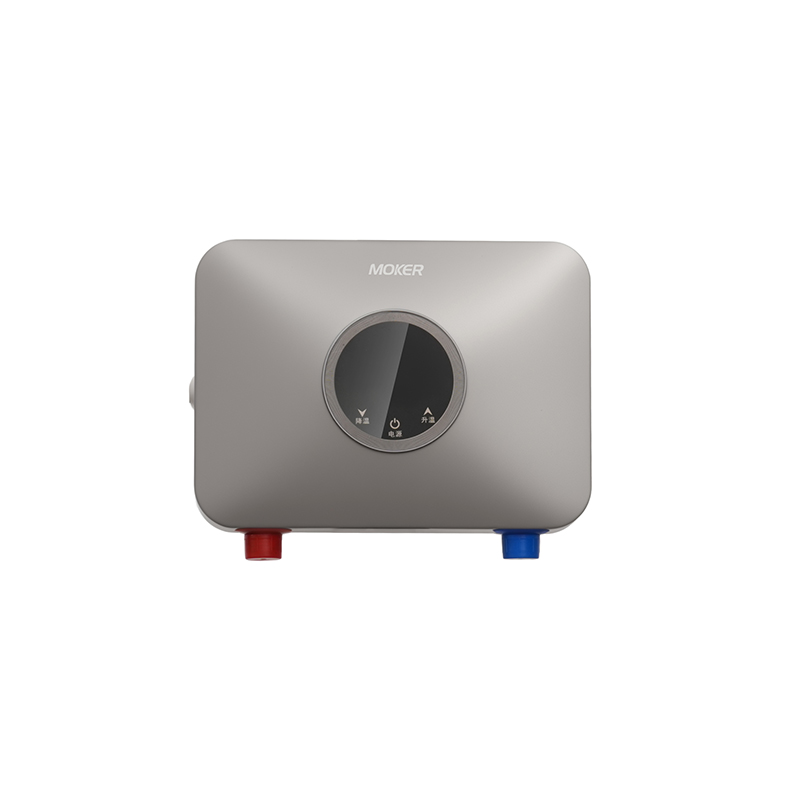
Matching Requirements Between Different Water Heaters and Home Water-Electric Systems
Matching requirements between different water heaters and home water-electric systems refer to how water heater aligns with a household’s electrical load capacity, voltage standard, water pipe size, and water pressure range—key factors to avoid electrical overloads, pipe leaks, or reduced heating efficiency. Poor matching may cause circuit tripping, pipe bursts, or insufficient hot water supply. Electric water heater, Tankless Water Heater, Instant water heater, electric tankless water heater, and Instantaneous Hot Water equipment (including instantaneous water heater electric) each have distinct utility matching traits, shaped by their power consumption and water flow design.
Electric water heater: Focus on electrical load and water pressure stability
Electric water heater typically requires a dedicated 240V electrical circuit (not shared with other high-power appliances like air conditioners or washing machines) due to its high power consumption (4–6 kW). The circuit must be equipped with a 20–30 amp circuit breaker—using a lower-amp breaker (e.g., 15 amp) will cause frequent tripping. For water system matching, Electric water heater needs a water pressure range of 0.3–0.8 MPa; pressure below 0.3 MPa leads to slow tank filling, while pressure above 0.8 MPa risks damaging the tank’s inlet valve. Water pipe interfaces for Electric water heater are usually 15–20 mm (½–¾ inch) in diameter—using smaller pipes (e.g., 10 mm) restricts water flow and extends heating time. In older homes with 120V single-phase circuits, upgrading to 240V is mandatory before installing Electric water heater; otherwise, Electric water heater will only operate at half power, taking 2–3 times longer to heat water.
Tankless Water Heater: Dual matching for gas/electric and water pressure
gas Tankless Water Heater requires matching with home gas pipe systems: the gas pipe diameter must be 15–20 mm (for units with heat input ≤30 kW) or 20–25 mm (for units >30 kW) to ensure sufficient gas supply. Using undersized gas pipes causes incomplete combustion, reducing heating efficiency by 10–15% and producing carbon monoxide. electric Tankless Water Heater, by contrast, needs a 240V dedicated circuit with a 30–50 amp breaker (power consumption 6–10 kW)—larger than Electric water heater’s breaker requirement. For water systems, both gas and electric Tankless Water Heater need a minimum water pressure of 0.2 MPa to activate the flow sensor (without enough pressure, Tankless Water Heater won’t start heating). Homes with low water pressure (e.g., top-floor apartments) must install a booster pump (10–15 L/min flow rate) to meet Tankless Water Heater’s demand. Water pipe interfaces for Tankless Water Heater are 15 mm (½ inch), and adding a water pressure regulator (set to 0.4–0.6 MPa) prevents pressure spikes from damaging the heat exchanger.
Instant water heater: Low-power electrical adaptation and small-pipe compatibility
Instant water heater has lower power consumption (2–3 kW) than Electric water heater, so it can match 120V or 240V household circuits—120V models use a 10–15 amp standard socket, while 240V models need a 15–20 amp dedicated socket. Instant water heater must not share sockets with other high-power devices (e.g., hair dryers, electric kettles) to avoid overloads. For water systems, Instant water heater’s compact design fits 10–15 mm (⅜–½ inch) water pipes—ideal for under-sink installations where space for large pipes is limited. The recommended water pressure for Instant water heater is 0.2–0.6 MPa; pressure below 0.2 MPa causes weak hot water flow, while pressure above 0.6 MPa may leak from the mini tank’s seals. In homes with copper pipes, using PEX adapters (compatible with Instant water heater’s plastic inlet/outlet) prevents corrosion at metal-plastic connections.
Electric tankless water heater: High-electrical-load and precise water flow matching
electric tankless water heater (power 8–12 kW) demands a 240V dedicated circuit with a 30–60 amp breaker—older homes with aluminum wiring (instead of copper) may need wiring replacement, as aluminum can overheat under high load. The circuit must include a ground fault circuit interrupter (GFCI) to prevent electric shocks, a requirement stricter than Electric water heater’s. For water systems, electric tankless water heater needs a minimum water flow rate of 1.5 L/min to trigger heating; homes with low flow (e.g., due to old faucets) must replace faucets with low-flow models (2–3 L/min) to activate the unit. Water pipe interfaces are 15 mm, and installing a flow restrictor (if flow exceeds 5 L/min) prevents electric tankless water heater from overworking to heat excessive water, which would reduce efficiency by 8–10%.
Instantaneous Hot Water equipment (instantaneous water heater electric): Portable utility matching
instantaneous water heater electric (power 1–2 kW) is designed for flexible utility matching, compatible with both 110V (for small portable models) and 220V (for home-use models) circuits. It uses a standard 5–10 amp socket (no dedicated circuit needed), making it suitable for renters or temporary use (e.g., camping with portable generators). For water systems, instantaneous water heater electric has a narrow water pipe interface (8–10 mm) and works with low water pressure (0.1–0.5 MPa)—ideal for outdoor scenarios with gravity-fed water tanks. However, instantaneous water heater electric’s small water flow (0.5–1 L/min) means it must be matched with low-flow faucets; using standard faucets (5–8 L/min) will result in lukewarm water. When using with portable generators, the generator’s output must be ≥2 kW to avoid voltage drops that damage instantaneous water heater electric’s micro-coil.
Matching water heater with home water-electric systems is foundational for safe and efficient operation: Electric water heater relies on 240V circuits and stable pressure; Tankless Water Heater needs gas/electric alignment and pressure boosters if needed; Instant water heater fits small pipes and low-power circuits; electric tankless water heater demands high-amperage breakers and flow control; instantaneous water heater electric adapts to portable power and low pressure. Checking home utility specs before purchasing water heater avoids costly retrofits and ensures long-term reliable performance.