

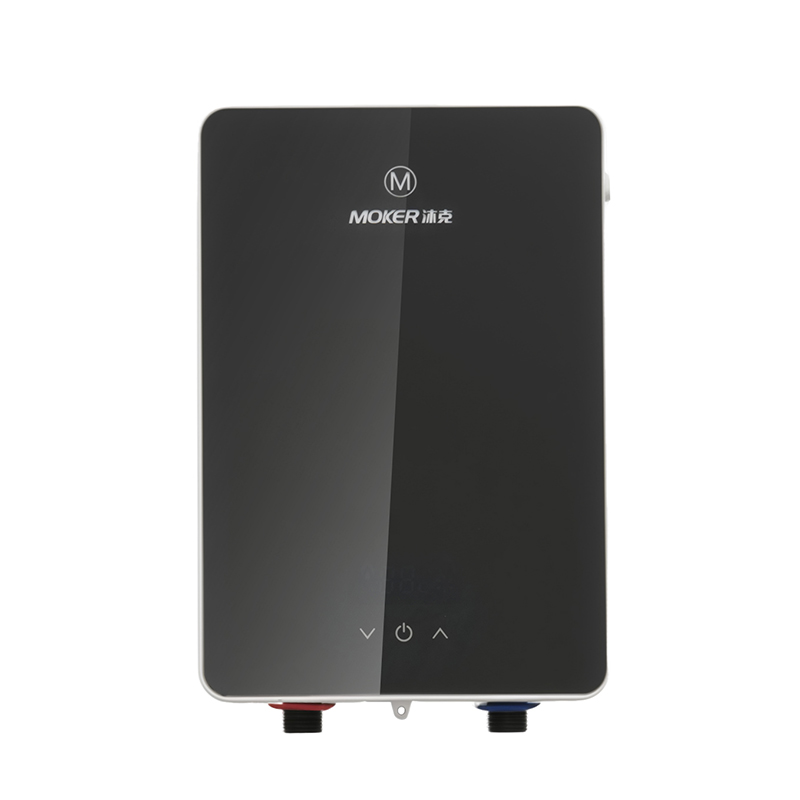
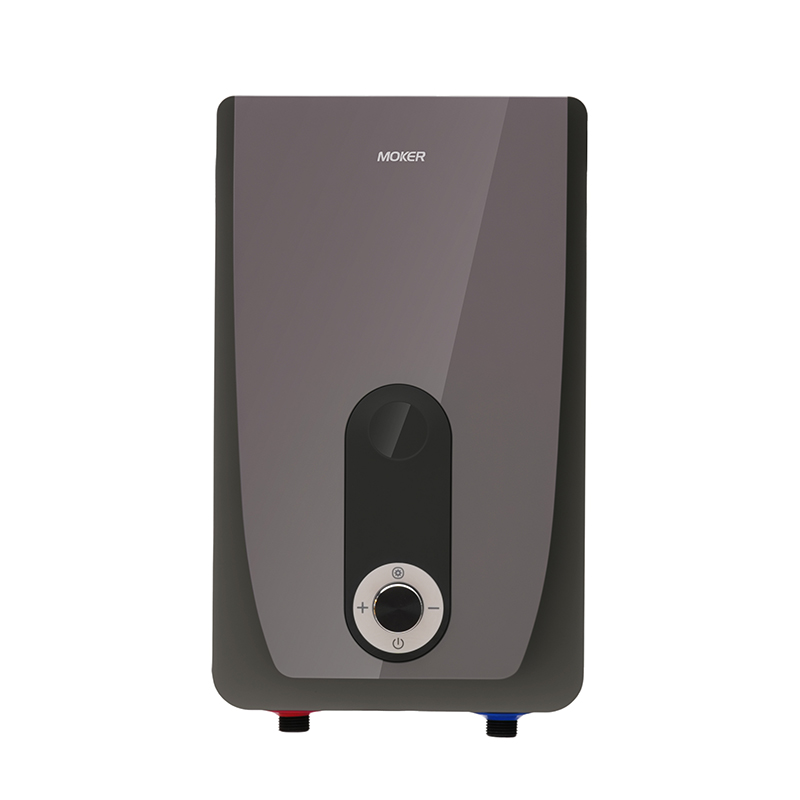
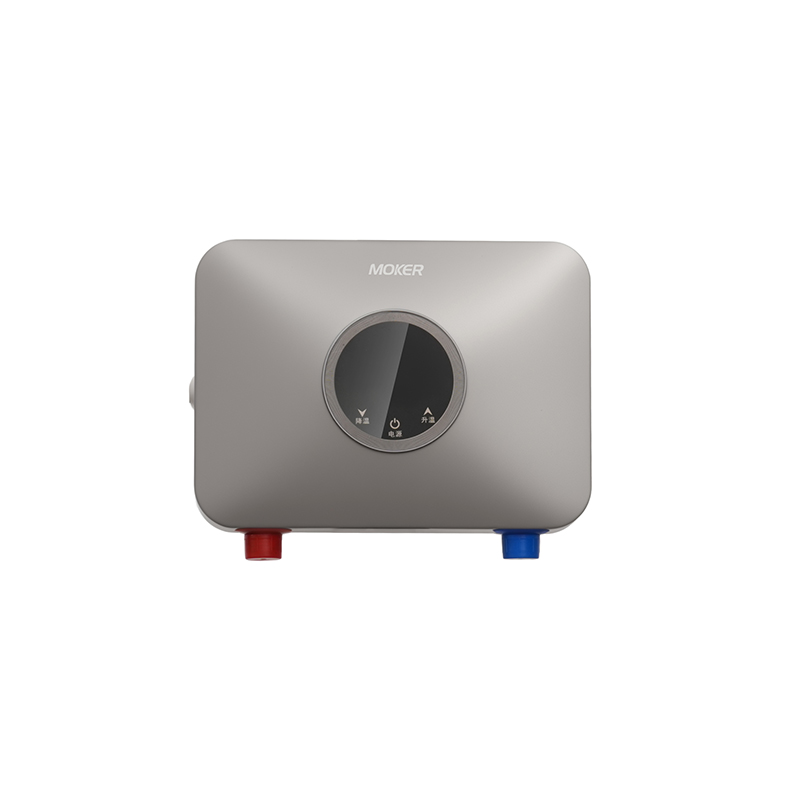
Remote Monitoring and Fault Diagnosis Capabilities of Different Water Heaters
Remote monitoring and fault diagnosis capabilities refer to the ability of water heater to transmit real-time operating data (temperature, pressure, energy consumption) to mobile devices or central systems, and automatically identify, alert, and assist in resolving malfunctions (e.g., heating element failure, flow sensor errors). These features minimize downtime, reduce maintenance costs, and enhance user convenience—critical for modern smart homes and commercial facilities. Electric water heater, Tankless Water Heater, Instant water heater, Instantaneous Hot Water equipment, and Instantaneous Water Heater electric each have distinct technical traits in this regard, shaped by sensor technology, connectivity options, and diagnostic algorithm sophistication.
Electric water heater: Basic remote oversight and fault alerting
Modern Electric water heater models integrate WiFi-enabled controllers that enable remote monitoring via mobile APPs. Electric water heater transmits data such as tank temperature (120–140°F), energy consumption (kWh/day), and water pressure (40–80 psi) to users’ phones, allowing real-time oversight of operating status. Fault diagnosis for Electric water heater focuses on core components: built-in sensors detect heating element burnout (via power draw anomalies), anode rod corrosion (via current fluctuations), and tank leakage (via moisture sensors). When anomalies occur, Electric water heater sends push notifications (e.g., “Heating element failure—error code E1”) with troubleshooting guides (e.g., “Check wiring connections or replace element”). High-end Electric water heater variants add predictive maintenance alerts, such as “Anode rod replacement due in 3 months” based on usage duration and water quality data. However, Electric water heater’s remote capabilities are limited to basic monitoring; detailed diagnostic data (e.g., internal tank pressure trends) is less comprehensive than Tankless Water Heater.
Tankless Water Heater: Advanced connectivity and precision diagnosis
Tankless Water Heater, especially electric Tankless Water Heater and high-end gas variants, leads in remote monitoring and diagnosis due to its complex heating system. Tankless Water Heater connects via WiFi or Bluetooth to APPs, transmitting granular data: hot water output (GPM), gas/electric consumption, heat exchanger temperature, and flow rate stability. Fault diagnosis for Tankless Water Heater uses multi-sensor fusion: flow sensors detect blockages, temperature sensors identify overheating, and pressure sensors alert to pipe leaks. Electric Tankless Water Heater’s diagnostic algorithms can pinpoint specific malfunctions (e.g., “Flow sensor error—code F3” or “Heat exchanger scaling—clean required”) and even suggest repair parts. Gas Tankless Water Heater adds gas pressure and combustion efficiency monitoring, sending alerts for “Low gas supply” or “Incomplete combustion” to prevent safety hazards. A key advantage is remote debugging: technicians can access Tankless Water Heater’s operating logs via cloud platforms to diagnose issues without on-site visits, reducing repair time by 40–50%.
Instant water heater: Compact connectivity and simplified diagnostics
Instant water heater’s small size and localized use demand streamlined remote capabilities. Most smart Instant water heater models use Bluetooth Low Energy (BLE) for connectivity, transmitting basic data (set temperature, operating time, filter status) to mobile APPs. Fault diagnosis for Instant water heater focuses on common issues: inlet filter clogging (detected via flow rate drops), heating element overheating (via temperature sensor feedback), and power supply anomalies. Instant water heater sends simple alerts (e.g., “Filter needs cleaning” or “Overheat protection activated”) with step-by-step resolution guides (e.g., “Remove and rinse filter under running water”). Some Instant water heater variants integrate self-diagnostic loops that automatically reset minor faults (e.g., temporary power surges) and notify users of the recovery. Due to its low-complexity design, Instant water heater lacks advanced diagnostic features (e.g., predictive maintenance) but covers core user needs for localized, low-demand scenarios.
Instantaneous Water Heater electric: Portable connectivity and on-the-go diagnostics
Instantaneous Water Heater electric’s portability requires lightweight yet reliable remote capabilities, tailored for temporary or off-grid use. Corded Instantaneous Water Heater electric models connect via WiFi to APPs, transmitting real-time data (water temperature, flow rate, power draw) and battery status (for cordless variants). Fault diagnosis for Instantaneous Water Heater electric focuses on portable-use-specific issues: micro-coil scaling (detected via heat transfer efficiency drops), battery over-discharge (via voltage monitoring), and water inlet blockages (via flow sensor data). Instantaneous Water Heater electric sends push alerts (e.g., “Micro-coil descaling required” or “Battery low—charge immediately”) and allows users to adjust diagnostic sensitivity (e.g., high/low flow rate alerts) via APP. Cordless Instantaneous Water Heater electric models store diagnostic logs locally when offline, syncing data to the APP once reconnected to WiFi. This ensures users can track malfunctions even during outdoor use (e.g., camping trips), with minimal reliance on constant connectivity.
Instantaneous Hot Water integrated systems: Synchronized monitoring and centralized diagnosis
Integrated Instantaneous Hot Water systems (combining electric Tankless Water Heater, Instant water heater, and Instantaneous Water Heater electric) feature centralized remote monitoring and unified fault diagnosis. A central hub connects all units via IoT, transmitting aggregated data (total energy consumption, multi-unit temperature consistency, cross-system flow rates) to a single APP dashboard. Fault diagnosis for the integrated system uses AI algorithms to identify inter-unit issues (e.g., “Instant water heater flow rate mismatch with electric Tankless Water Heater supply”) and single-unit malfunctions. The system prioritizes alerts: critical faults (e.g., electric Tankless Water Heater leakage) trigger immediate notifications and automatic shutdown, while minor issues (e.g., Instant water heater filter clogging) are scheduled for user attention. Technicians can access the central hub’s cloud-based diagnostic platform to review data from all units, enabling comprehensive system-wide troubleshooting. This synchronized approach reduces diagnostic time by 60% compared to managing standalone water heaters, making it ideal for large residential complexes or commercial buildings.
Remote monitoring and fault diagnosis capabilities enhance water heater reliability and user experience: Electric water heater offers basic oversight; Tankless Water Heater delivers precision diagnostics; Instant water heater provides simplified connectivity; Instantaneous Water Heater electric enables portable monitoring; Instantaneous Hot Water integrated systems offer centralized, AI-powered management. As connectivity technology advances, these features will become standard across all water heater types, blurring the line between basic appliances and smart, self-maintaining devices—critical for meeting the demands of modern, efficiency-focused users.