

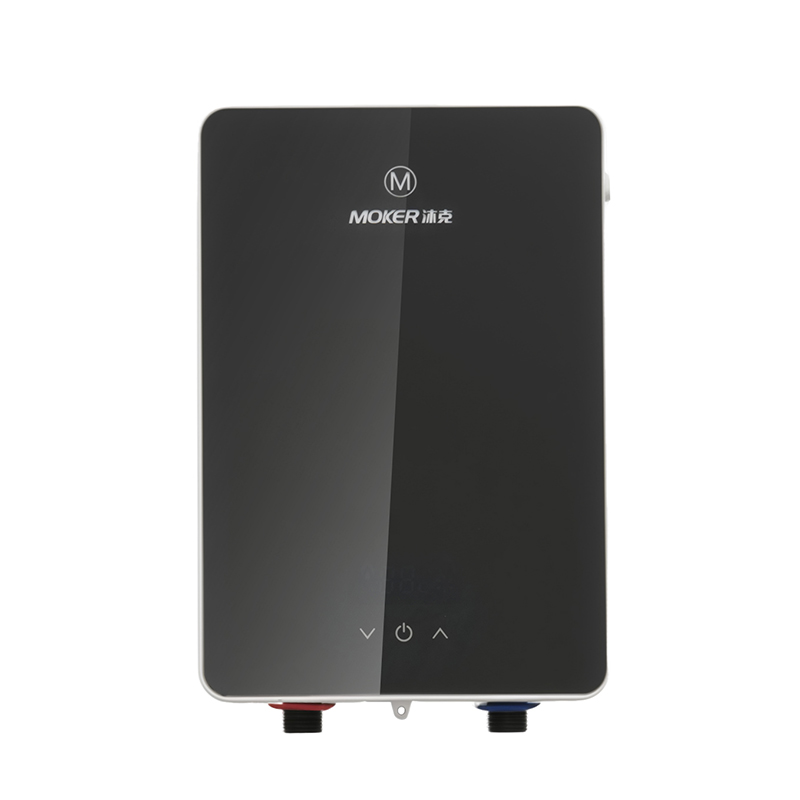
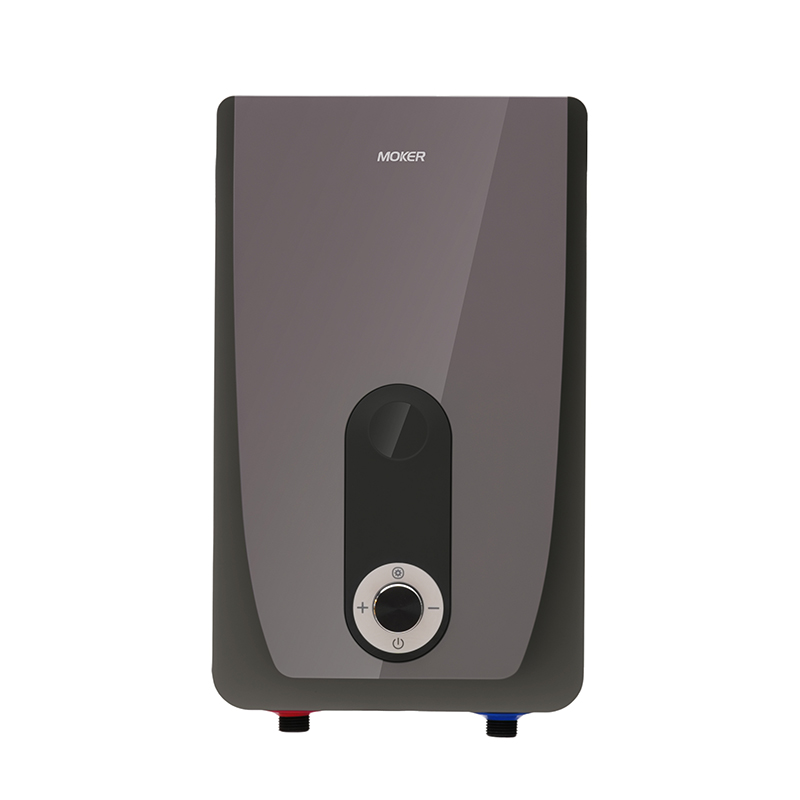
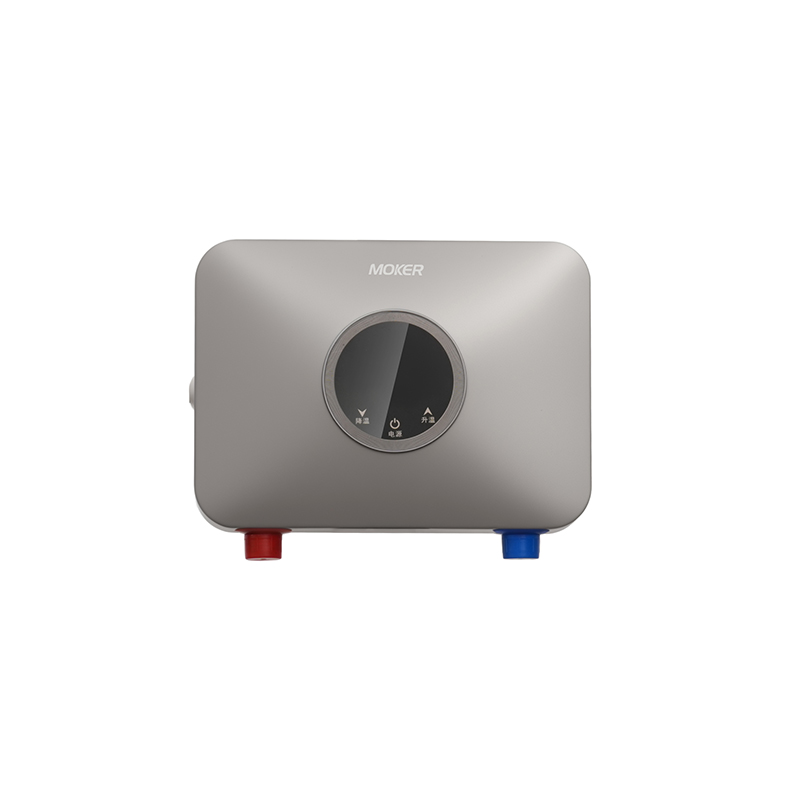
Water Quality Adaptability and Scale Prevention Design of Different Water Heaters
Water quality adaptability refers to the ability of water heater to operate stably in varying water conditions (hard water, soft water, acidic water), while scale prevention design involves structural upgrades, material selection, or functional add-ons to inhibit mineral deposit (scale) formation—scale buildup reduces heating efficiency, shortens component life, and causes equipment failure. Hard water (high calcium/magnesium content) is the primary culprit of scale, making adaptability and prevention critical for households in regions with unfiltered water. Electric water heater, Tankless Water Heater, Instant water heater, Instantaneous Hot Water equipment, and Instantaneous Water Heater electric each have distinct water quality traits, shaped by heating mechanisms and anti-scale engineering.
Electric water heater: Tank-based anti-scale with sediment management
Electric water heater’s large storage tank is prone to scale accumulation at the bottom and on heating elements—hard water heated to 120°F+ causes calcium carbonate precipitation, forming 1mm-thick scale that reduces heating efficiency by 10–15%. To enhance water quality adaptability, Electric water heater uses enamel-coated tank interiors (resisting scale adhesion) and sacrificial anode rods (magnesium/zinc-aluminum) that prevent corrosion from acidic water (pH <6.5). Scale prevention design includes drain valves at the tank bottom—quarterly flushing removes sediment, delaying scale buildup by 60%. High-end Electric water heater models add built-in water softening filters (installed at inlet pipes) that reduce mineral content by 30–40%, while dual heating elements (upper/lower) distribute heat evenly, avoiding hot spots that accelerate scale formation. In extreme hard water regions, pairing Electric water heater with external water softeners is recommended—this cuts scale-related maintenance by 70% and extends service life by 3–5 years.
Tankless Water Heater: Flow-through anti-scale with precision protection
Tankless Water Heater’s narrow heat exchanger channels are highly susceptible to scale clogging—even 0.5mm scale reduces water flow by 20% and heating efficiency by 25%. Gas Tankless Water Heater and Electric Tankless Water Heater both adopt anti-scale design: heat exchanger materials (copper for gas models, stainless steel for electric variants) have low scale adhesion, while “self-descaling cycles” (activated monthly) circulate dilute vinegar or citric acid through channels to dissolve deposits. Water quality adaptability is enhanced by flow sensors that detect reduced flow (a sign of scale) and trigger alert notifications. Premium Tankless Water Heater models integrate “scale-resistant coatings” (titanium nitride) on heat exchanger surfaces, repelling mineral deposits and extending descaling intervals from 6 months to 2 years. For acidic water areas, Tankless Water Heater uses corrosion-resistant brass inlet valves and pH-neutralizing filters—preventing heat exchanger erosion while inhibiting scale. Unlike Electric water heater, Tankless Water Heater cannot tolerate heavy sediment, so pre-filter installation (50-micron) is mandatory in regions with turbid water.
Instant water heater: Miniature anti-scale with localized protection
Instant water heater’s small heating chamber (1–3L) and short water contact time reduce scale formation risk, but hard water still causes deposits on mini heating elements. Instant water heater’s water quality adaptability relies on nickel-chromium heating coils (anti-scale coating) and plastic-lined mini tanks (resisting corrosion from acidic water). Scale prevention design includes removable inlet filters (easily cleaned every 3 months) and “quick-heat technology”—Instant water heater heats water in 30–60 seconds, minimizing mineral precipitation time. Some Instant water heater models add “scale warning lights” that illuminate when flow rate drops by 10%, prompting users to descale with a citric acid solution. In soft water regions (mineral content 0ppm), Instant water heater requires no additional protection; in hard water areas, pairing with under-sink water softeners (compact design) ensures compatibility. Instant water heater’s small size allows easy disassembly for manual descaling—an advantage over bulky Electric water heater or complex Tankless Water Heater.
Instantaneous Water Heater electric: Portable anti-scale with simplified protection
Instantaneous Water Heater electric’s micro-coil design and low water flow rate (0.5–1 GPM) require targeted scale prevention for long-term use. Instantaneous Water Heater electric’s water quality adaptability is achieved via ceramic-coated micro-coils (repelling scale) and food-grade plastic housings (resisting acidic water corrosion). Scale prevention design includes ultra-fine inlet filters (20-micron) that trap mineral particles before they reach the micro-coil, and “auto-shutoff” when flow rate is too low (scale clogging alert). For outdoor or temporary use (e.g., camping with well water), Instantaneous Water Heater electric can be paired with portable water filters (activated carbon + ion exchange resin) that soften water on-demand. Unlike Electric water heater, Instantaneous Water Heater electric’s micro-coil is replaceable at low cost (\(50–\)80) if scale damage occurs—avoiding full unit replacement. The unit’s simple structure allows users to soak the micro-coil in descaling solution (1:10 vinegar-water) for 30 minutes, restoring performance easily.
Instantaneous Hot Water integrated systems: Hybrid anti-scale with whole-house adaptation
Integrated Instantaneous Hot Water systems (combining Electric Tankless Water Heater and Instant water heater) optimize water quality adaptability via centralized and localized protection. A whole-house water softener (installed at the main water line) reduces mineral content for all units, while Electric Tankless Water Heater’s self-descaling cycle and Instant water heater’s removable filters provide secondary protection. The system’s central controller monitors water hardness in real time—adjusting heating temperature (lowering by 5–10°F in extreme hard water) to slow scale formation. For acidic water regions, the system adds a pH-balancing filter (calcium carbonate media) that neutralizes water before it enters any water heater. This hybrid design ensures consistent performance across all units: Electric Tankless Water Heater maintains flow rate in hard water, while Instant water heater avoids mini-tank corrosion in acidic conditions. The integrated approach reduces overall scale-related maintenance by 50% compared to using standalone units without centralized water treatment.
Water quality adaptability and scale prevention are critical for long-term reliability: Electric water heater relies on tank flushing and softeners; Tankless Water Heater uses self-descaling and coated heat exchangers; Instant water heater leverages quick heating and removable filters; Instantaneous Water Heater electric adopts portable filters and replaceable coils; Instantaneous Hot Water integrated systems combine whole-house and localized protection. Matching water heater to local water quality (e.g., Tankless Water Heater with self-descaling for hard water, Instantaneous Water Heater electric with pH filters for acidic water) ensures efficient operation and extends service life, avoiding costly repairs from scale or corrosion.