

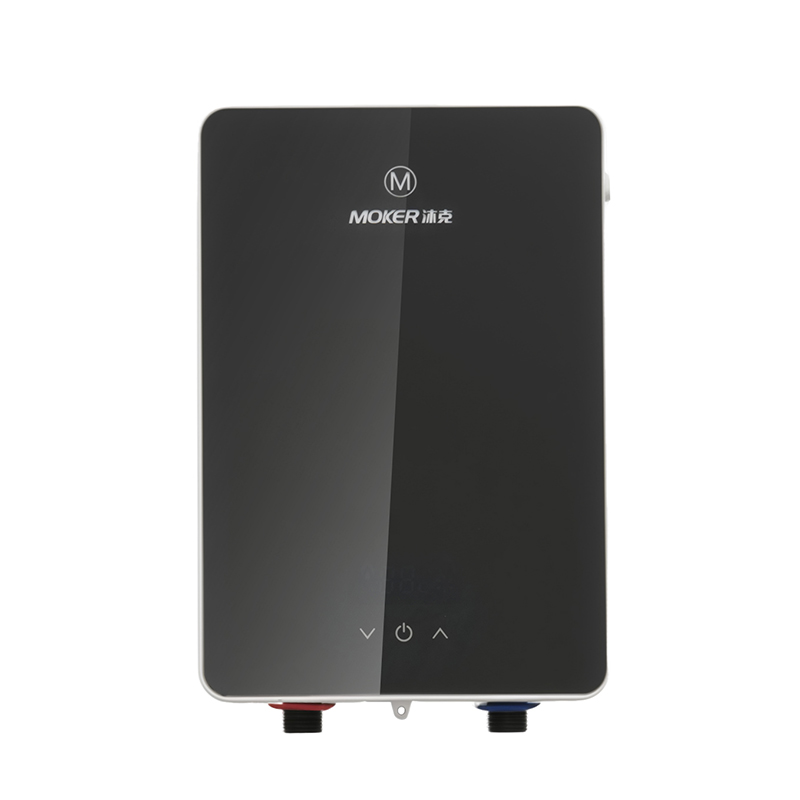
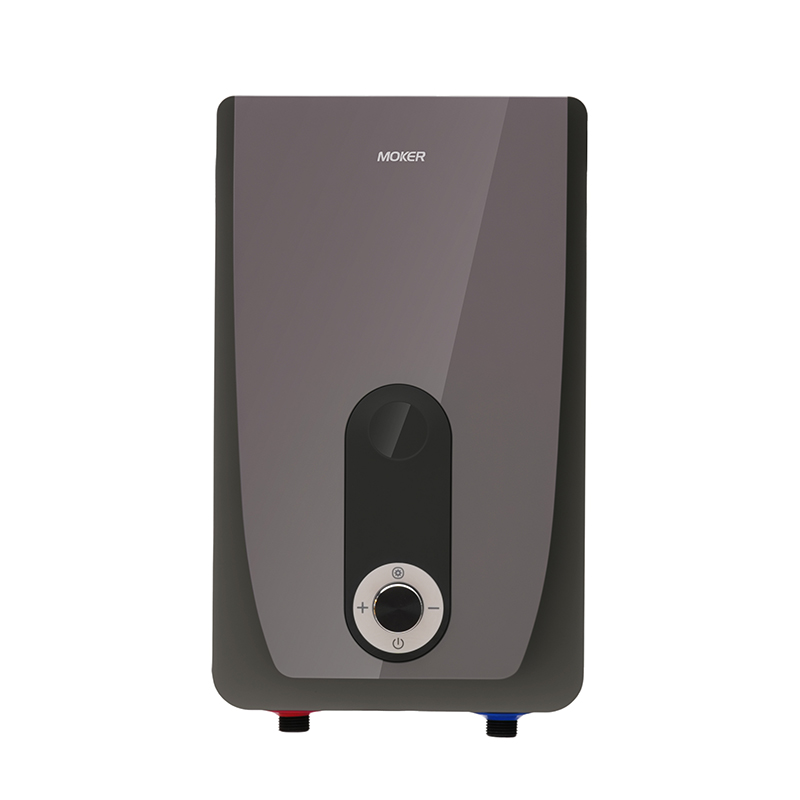
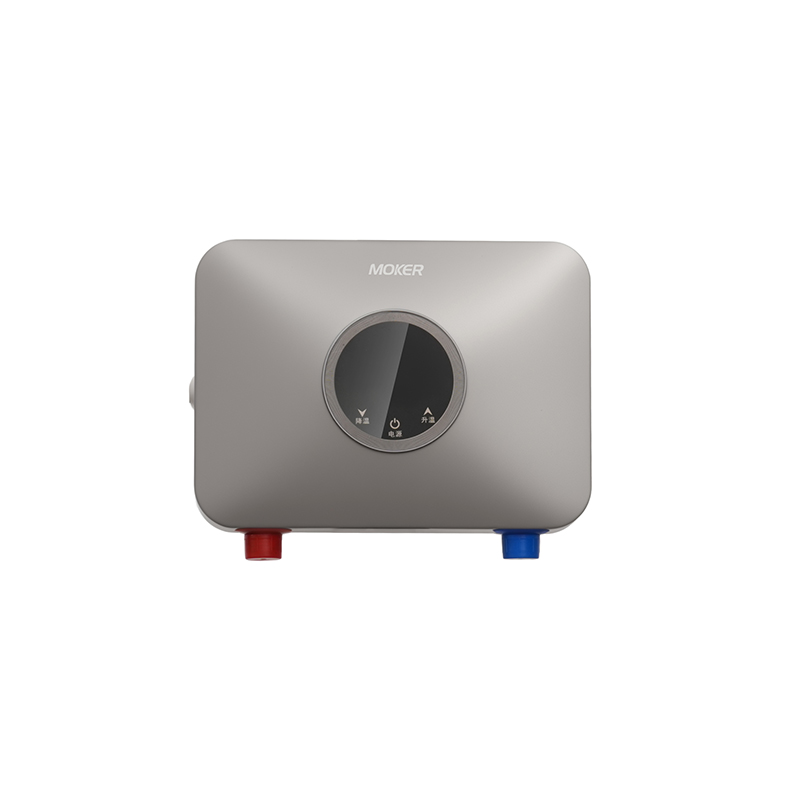
Compatibility of Different Water Heaters with Various Water Supply Systems
Compatibility with various water supply systems refers to how water heater connects and operates stably with different water sources—such as municipal tap water (stable pressure, treated), well water (variable pressure, high mineral content), and secondary water supply (tank-stored, possible sediment)—and the auxiliary devices needed to avoid malfunctions. Poor compatibility causes low water flow, component wear, or heating inefficiency. Electric water heater, Tankless Water Heater, Instant water heater, electric tankless water heater, and instantaneous water heater electric each have distinct compatibility traits, shaped by their water intake structures and pressure tolerance.
With municipal tap water systems (pressure 0.3–0.6 MPa, chlorine-treated), Electric water heater has high compatibility. Electric water heater’s large tank inlet (diameter ≥15mm) easily adapts to municipal water pressure—no need for pressure regulators. The treated water’s low sediment content reduces tank sediment buildup, extending Electric water heater’s cleaning interval to 12–18 months. However, municipal water’s chlorine may corrode Electric water heater’s anode rod; choosing a zinc-aluminum anode rod (instead of magnesium) slows corrosion, prolonging rod life to 3–4 years. Electric water heater’s sealed tank also avoids chlorine evaporation damage to exposed components, ensuring stable operation.
With well water systems (pressure 0.1–0.5 MPa, high calcium/magnesium, possible sediment), Tankless Water Heater needs targeted compatibility measures. Well water’s variable pressure (fluctuates with pump cycles) may cause Tankless Water Heater’s flow sensor to misread—installing a pressure stabilizer (maintaining 0.3–0.4 MPa) fixes this. High mineral content leads to rapid scale buildup on Tankless Water Heater’s heat exchanger; a water softener (reducing hardness to ≤100 ppm) is required, extending descaling intervals to 18–24 months. For gas Tankless Water Heater, well water’s sediment may clog gas nozzles—adding a 5-micron pre-filter (before the unit) traps particles. electric Tankless Water Heater’s electric heating elements are more resistant to mineral wear than gas nozzles, but still needs pre-filtration.
With secondary water supply systems (stored in building tanks, pressure 0.2–0.4 MPa, possible rust/sediment), Instant water heater has moderate compatibility but needs auxiliary devices. Secondary water’s sediment (from tank rust or pipe corrosion) clogs Instant water heater’s small inlet (diameter 10mm)—a 10-micron inline filter (installed at the inlet) is necessary, with monthly filter replacement. The stored water’s stagnation may cause bacterial growth; setting Instant water heater’s temperature to 60°C (high enough to kill bacteria) ensures water safety. Instant water heater’s mini tank also acts as a buffer for pressure fluctuations in secondary supply, preventing sudden flow drops during peak use (e.g., morning water rush).
With rural self-supply systems (e.g., rainwater collection, low pressure ≤0.2 MPa, high impurity), electric tankless water heater requires compatibility upgrades. Low water pressure fails to trigger electric tankless water heater’s flow switch (needs ≥0.15 MPa to start); installing a booster pump (increasing pressure to 0.2–0.3 MPa) enables normal operation. Rainwater’s high impurity content (leaves, dust) damages electric tankless water heater’s heat exchanger—adding a multi-stage filter (sediment + activated carbon) removes particles and odors. electric tankless water heater’s compact design fits rural small spaces, and its adjustable flow rate (1–3 GPM) adapts to limited water supply in rural areas.
With high-pressure commercial water systems (pressure 0.6–1.0 MPa, used in hotels, gyms), instantaneous water heater electric has low native compatibility and needs pressure reduction. High pressure exceeds instantaneous water heater electric’s maximum tolerance (0.5 MPa), causing micro-chamber leaks—installing a pressure reducing valve (lowering to 0.3–0.4 MPa) is mandatory. Commercial water’s high flow rate (5–10 GPM) overwhelms instantaneous water heater electric’s small heating capacity (1–2 kW); pairing multiple instantaneous water heater electric units (in parallel) meets demand. The unit’s quick heating (3–5 seconds) suits commercial users’ need for instant hot water, but only with proper pressure and flow adjustments.
Compatibility with water supply systems relies on water heater’s structural tolerance: Electric water heater fits municipal supply; Tankless Water Heater adapts to well water with softeners; Instant water heater works with secondary supply via filters; electric tankless water heater suits rural systems with pumps; instantaneous water heater electric needs pressure reduction for commercial use. Matching water heater to supply system + adding auxiliary devices ensures long-term stable operation and avoids supply-related damage.