

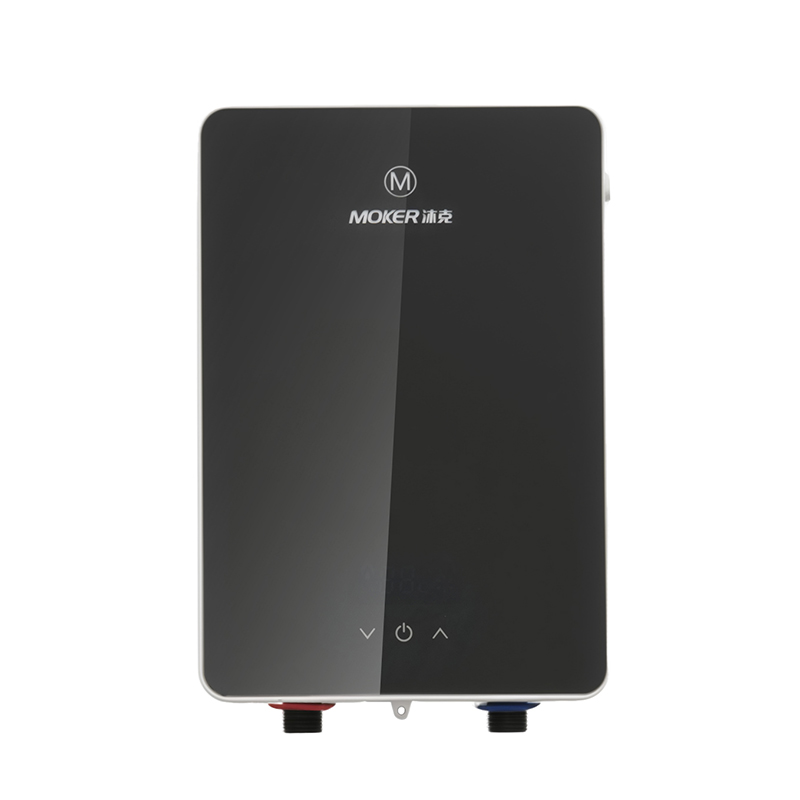
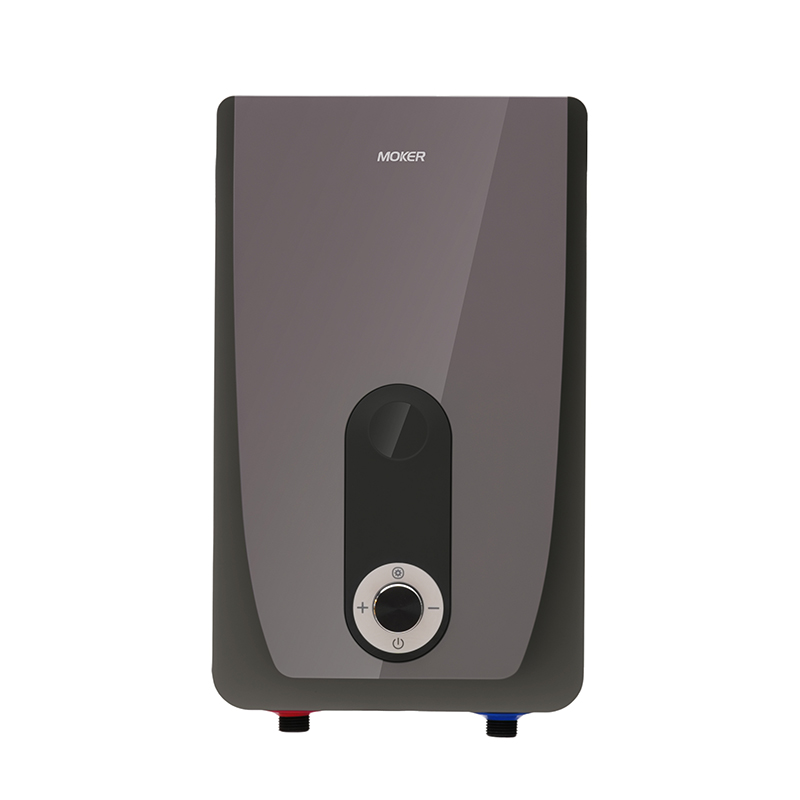
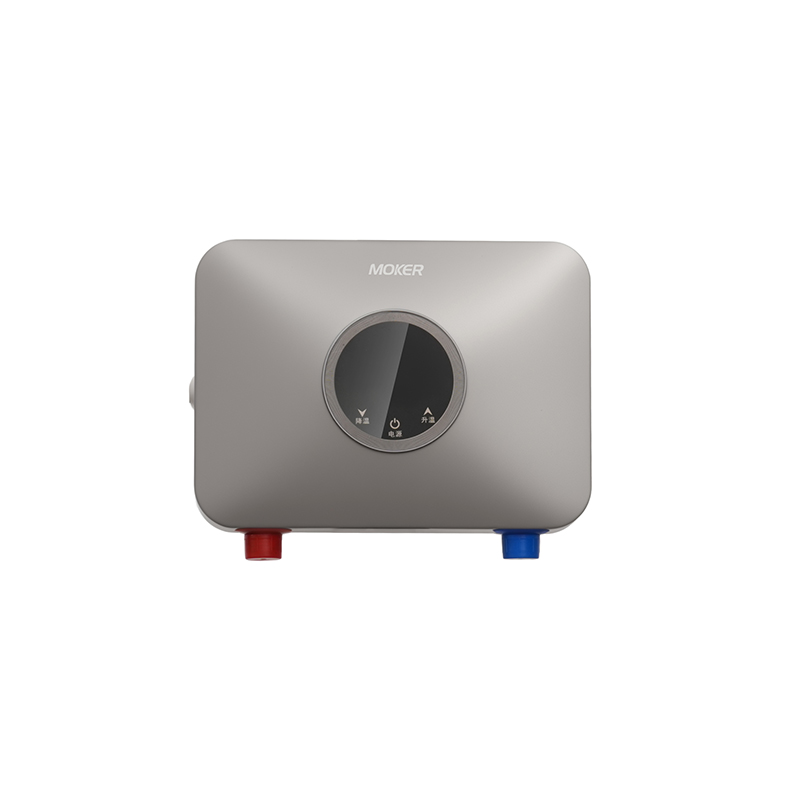
Fit Between Different Water Heaters' Energy Types and Regional Energy Policies
Fit between energy types and regional energy policies refers to how water heater’s energy source (electricity, gas) aligns with local energy regulations—such as gas supply restrictions, off-peak electricity subsidies, or carbon emission targets—and the resulting cost-saving or compliance benefits. Poor fit leads to higher expenses or policy violations. Electric water heater, Tankless Water Heater (gas/electric), Instant water heater, electric tankless water heater, and instantaneous water heater electric each have distinct policy fit traits, shaped by their energy consumption patterns and regional supply conditions.
In regions with off-peak electricity subsidies (e.g., night-time rates 30–50% lower), Electric water heater has excellent policy fit. Electric water heater’s tank storage allows “off-peak charging”: set Electric water heater to heat water during subsidized hours (e.g., 10 PM–6 AM) and use stored hot water during peak hours. This cuts daily energy costs by 25–40% compared to heating during peak times. Some regions offer additional subsidies for energy-efficient Electric water heater models (EF ≥0.95), reducing upfront purchase costs by 10–15%. However, Electric water heater’s high peak power draw (4–6 kW) may exceed local household power limits in some areas; choosing a low-wattage model (2–3 kW) solves this compliance issue.
In gas-restricted regions (e.g., areas with limited pipeline gas supply or seasonal gas rationing), electric Tankless Water Heater has better policy fit than gas variants. gas Tankless Water Heater may face supply shortages during winter (peak heating season), leading to interrupted hot water. electric Tankless Water Heater relies on stable electricity supply (less likely to be rationed) and aligns with regional policies promoting electric heating (to reduce gas demand). Such regions often offer tax rebates for electric Tankless Water Heater purchases—covering 8–12% of the unit price. electric Tankless Water Heater’s no-standby loss also fits “energy conservation” policies, as it uses electricity only when hot water is needed.
In carbon emission reduction target regions (e.g., cities aiming for net-zero by 2050), Instant water heater has moderate policy fit. Instant water heater’s small tank (1–3L) uses less energy per use than full-sized Electric water heater, reducing carbon footprint by 15–20% annually. Some regions classify energy-efficient Instant water heater models (with energy labels) as “low-carbon appliances,” qualifying users for green electricity discounts (5–10% off monthly bills). However, Instant water heater’s frequent on-off cycles (due to small storage) may increase overall energy use if overused; pairing Instant water heater with a smart timer (to limit use to necessary hours) enhances policy alignment.
In regions with stable gas supply and low gas prices (e.g., areas with local natural gas reserves), gas Tankless Water Heater has optimal policy fit. gas Tankless Water Heater’s high energy efficiency (EF 0.82–0.94) aligns with regional “efficient energy use” policies, and some areas offer gas volume discounts for households using gas Tankless Water Heater (e.g., 5% off monthly gas bills). gas Tankless Water Heater’s continuous hot water supply also meets regional “quality of life” standards for large families. However, gas Tankless Water Heater must comply with local venting regulations (e.g., mandatory stainless steel vents) to reduce carbon monoxide emissions—choosing certified models avoids policy violations.
In mobile energy scenarios (e.g., areas with temporary electricity supply, like construction camps), instantaneous water heater electric has unique policy fit. instantaneous water heater electric’s low power draw (1–2 kW) complies with temporary power limits (often 3–5 kW per site) and fits regional “portable energy safety” policies (no gas storage required, reducing fire risks). Some regions exempt small electric appliances like instantaneous water heater electric from certain registration procedures (for temporary use), simplifying compliance. instantaneous water heater electric’s compatibility with solar generators (common in off-grid areas) also aligns with regional “renewable energy promotion” policies, allowing users to leverage solar power for zero-carbon hot water.
Fit between energy types and policies depends on water heater’s energy source: Electric water heater benefits from off-peak subsidies; electric Tankless Water Heater fits gas-restricted areas; gas Tankless Water Heater aligns with low-gas-price regions; Instant water heater supports carbon reduction; instantaneous water heater electric suits mobile energy scenarios. Choosing water heater that matches local energy policies not only cuts costs but also ensures compliance, making it a sustainable long-term choice.