

Noise Control Design and Quiet Scene Adaptation of Different Water Heaters
Noise control design and quiet scene adaptation refer to how water heater reduces operational noise (from heating, airflow, or water flow) through structural optimization, and how well water heater fits scenarios requiring low noise (e.g., bathrooms adjacent to bedrooms, homes with infants). Excessive noise disrupts daily rest or causes discomfort—ideal operating noise for residential use is below 50 decibels (dB). Electric water heater, Tankless Water Heater, Instant water heater, electric tankless water heater, and instantaneous water heater electric each have distinct noise traits, shaped by heating mechanisms and noise reduction designs.
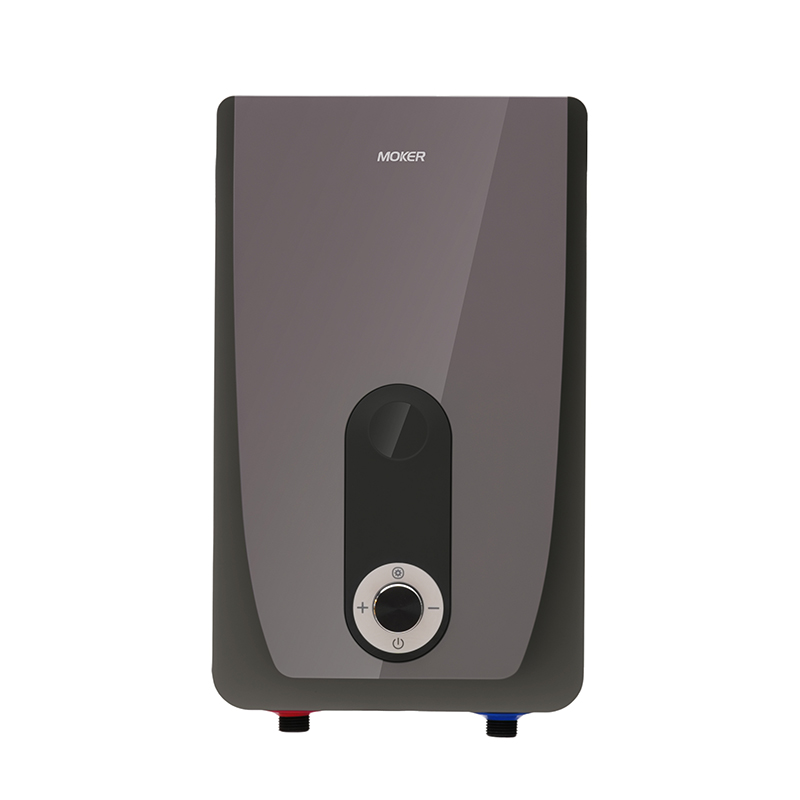
Electric water heater has low inherent noise, with noise control focused on tank and heating element optimization. Electric water heater’s main noise sources are “pop sounds” from heating elements (when sediment adheres to surfaces, 40–45 dB) and slight tank expansion (35–40 dB during heating cycles). Basic Electric water heater models use insulated heating elements (wrapped in ceramic sleeves) to muffle popping, while high-end variants add foam insulation around the tank—reducing expansion noise to 30–35 dB. Electric water heater’s noise level is suitable for most indoor scenes, including bedrooms nearby; placing Electric water heater in a utility closet with sound-absorbing panels further lowers noise to below 30 dB. However, Electric water heater’s drain valve operation (when cleaning sediment) may produce 50–55 dB water flow noise—best done during daytime to avoid disturbing rest.
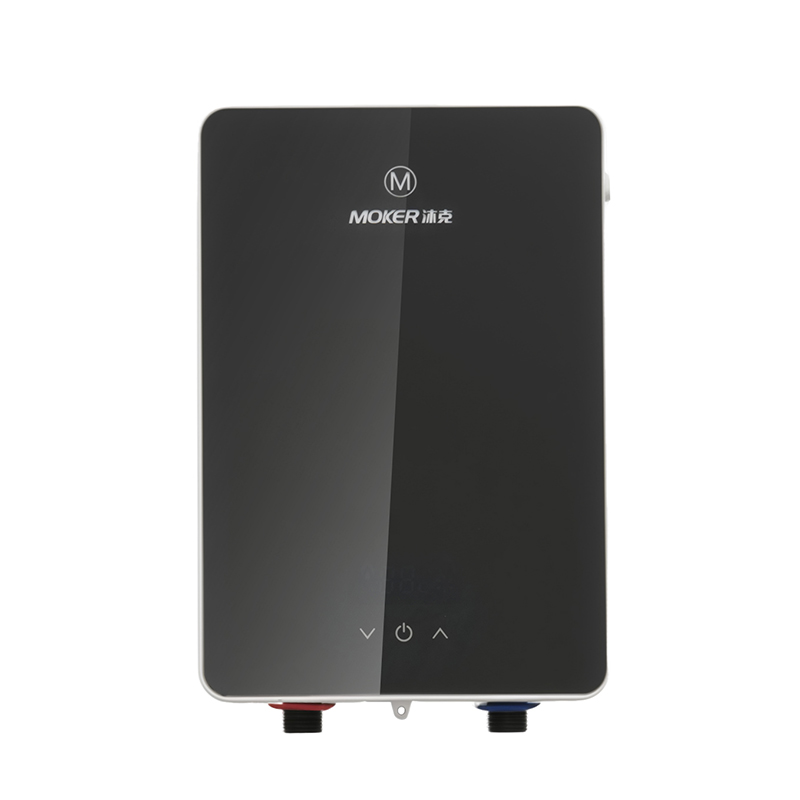
Tankless Water Heater has varying noise levels by energy type, with targeted noise control for gas variants. gas Tankless Water Heater’s main noise sources are combustion (45–55 dB) and exhaust fan operation (50–60 dB); basic models use enclosed combustion chambers to reduce noise by 5–10 dB, while premium variants add variable-speed fans (adjusting speed based on demand, lowering fan noise to 40–45 dB). electric Tankless Water Heater has no combustion noise—only slight water flow (38–42 dB) and heating module hum (35–40 dB)—making electric Tankless Water Heater more suitable for quiet scenes (e.g., bathrooms next to baby rooms) than gas variants. Tankless Water Heater’s wall-mounted design allows distance from living areas; installing sound-dampening gaskets between Tankless Water Heater and the wall further reduces vibration noise by 3–5 dB.
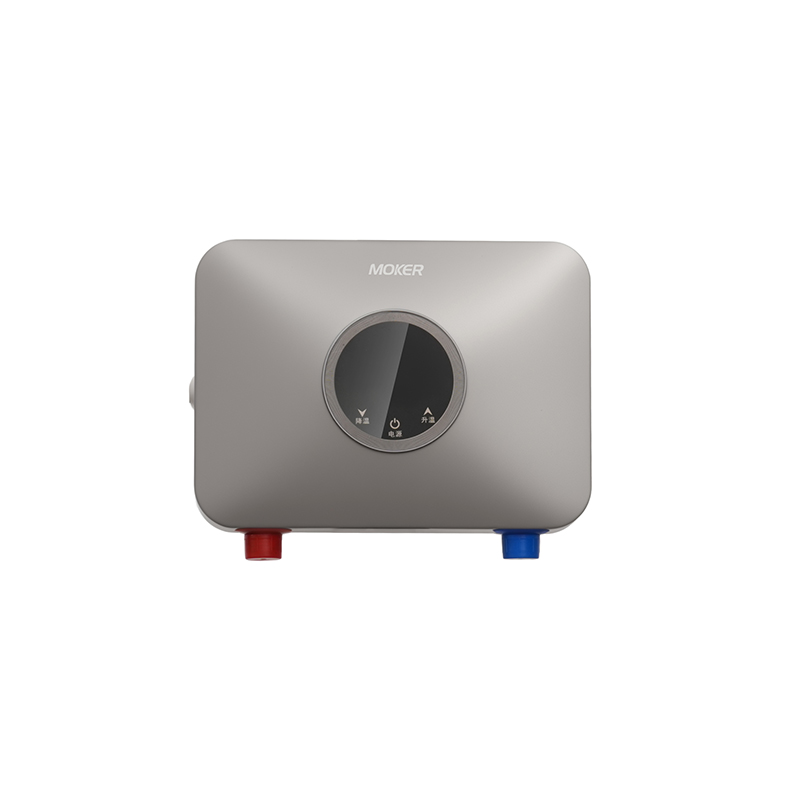
Instant water heater has ultra-low noise, with noise control centered on miniaturized components. Instant water heater’s small heating chamber (1–3L) and low-power elements (2–3 kW) produce minimal noise: water flow noise is 30–35 dB, and heating hum is 28–32 dB—quieter than a running refrigerator (35–40 dB). Most Instant water heater models use rubber gaskets at inlet/outlet connections to absorb vibration, and some add plastic enclosures with sound-absorbing liners (reducing overall noise to 25–30 dB). Instant water heater’s under-sink installation (in kitchens or bathrooms) keeps noise away from living spaces; even when installed near bedrooms, Instant water heater’s noise is undetectable during nighttime use. The only minor noise risk is from Instant water heater’s thermostat click (when turning on/off, 20–25 dB)—negligible for most users.
Electric tankless water heater balances noise control and performance, with multi-layered noise reduction. electric tankless water heater’s noise sources are water flow through narrow channels (40–45 dB) and heating coil vibration (38–42 dB). To address this, electric tankless water heater uses widened water channels (reducing flow turbulence, cutting noise by 5–8 dB) and rubber-coated heating coils (absorbing vibration, lowering hum to 33–37 dB). High-end electric tankless water heater models add “silent mode” (reducing power slightly to lower coil vibration, noise down to 30–35 dB) for nighttime use. electric tankless water heater’s noise level fits most residential scenes, including open-concept kitchens (where noise may spread to living rooms); pairing electric tankless water heater with low-flow faucets further reduces flow noise by 3–5 dB.
Instantaneous water heater electric has minimal noise but requires small-scale noise optimization. instantaneous water heater electric’s tiny micro-coil (1–2 kW) and low water flow (0.5–1 GPM) produce noise levels of 25–30 dB (water flow) and 22–27 dB (coil hum)—among the quietest of all water heater types. However, instantaneous water heater electric’s plastic housing may amplify resonance (if placed on hard surfaces like metal sinks), so adding a rubber pad under instantaneous water heater electric reduces resonance noise by 2–3 dB. instantaneous water heater electric’s portability allows placement in quiet corners (e.g., bathroom vanities or outdoor camping tents); even in small spaces, instantaneous water heater electric’s noise does not disrupt conversation or rest. The only limitation is instantaneous water heater electric’s power switch click (15–20 dB)—no impact on quiet scenarios.
Noise control and scene adaptation align with water heater’s design: Electric water heater suits general low-noise needs; electric Tankless Water Heater fits quiet-sensitive areas better than gas variants; Instant water heater and instantaneous water heater electric excel in ultra-quiet scenarios; electric tankless water heater balances noise and performance. Choosing water heater based on noise level and scene requirements (e.g., gas Tankless Water Heater for garages, instantaneous water heater electric for bedrooms nearby) ensures a comfortable, noise-free living environment.